
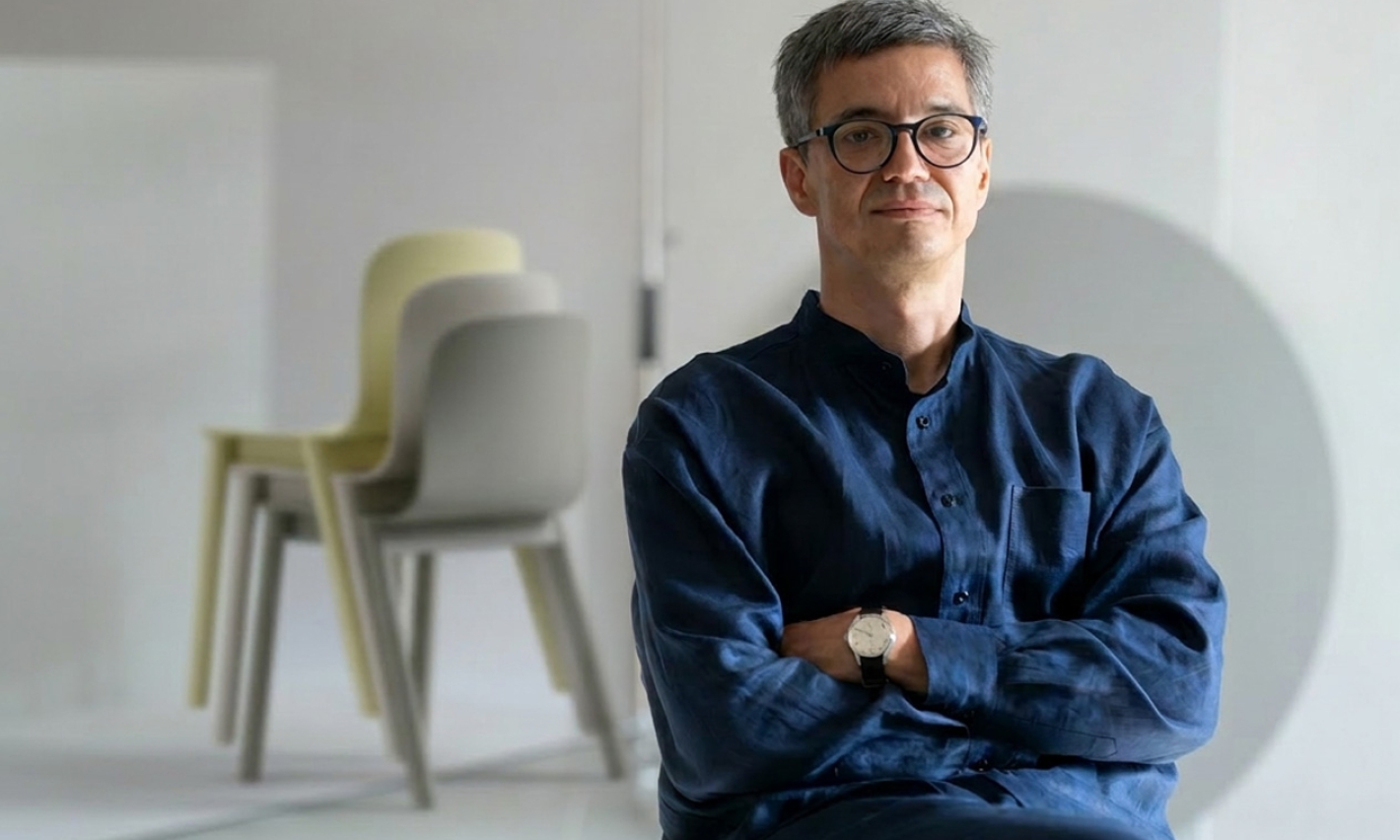
Alexander Gufler on All´ essenza: 'It's not about adding more. It's about knowing what to leave out.'
-
Published
20 Apr, 2026 -
Text by
Karolína Černochová -
868 words
4 minutes
You’ve worked with Ton for many years, both as a designer and in a broader creative role. How has this long-term relationship influenced your design approach today?
It changes everything, actually. Over time, the relationship becomes less formal and much more intuitive. You stop explaining every step because many things are simply understood. Ton is no longer just a client to me. It feels more like a long-term partner or even family. This brings with it a certain responsibility, but also freedom. As I know how the company works, how it produces, where its limits lie and what kind of products truly belong to its world, I can design much more precisely. Not abstract, but very grounded.
Your early work was much more complex. Today, however, your designs feel much simpler. What led to that shift?
My first chair was actually very complicated, with a lot of solid wood and CNC work. I still like it, but I realised quite quickly that it would be difficult to produce. That experience pushed me in the opposite direction. I started asking myself, 'What would happen if I removed things instead of adding them?' That became a turning point. Since then, I’ve been interested in reduction. However, reduction is not about making things empty; it's about making the right decisions. It's about keeping only what really matters.
The idea of reduction seems to be very much present in All’essenza. How would you describe the chair in your work for Ton?
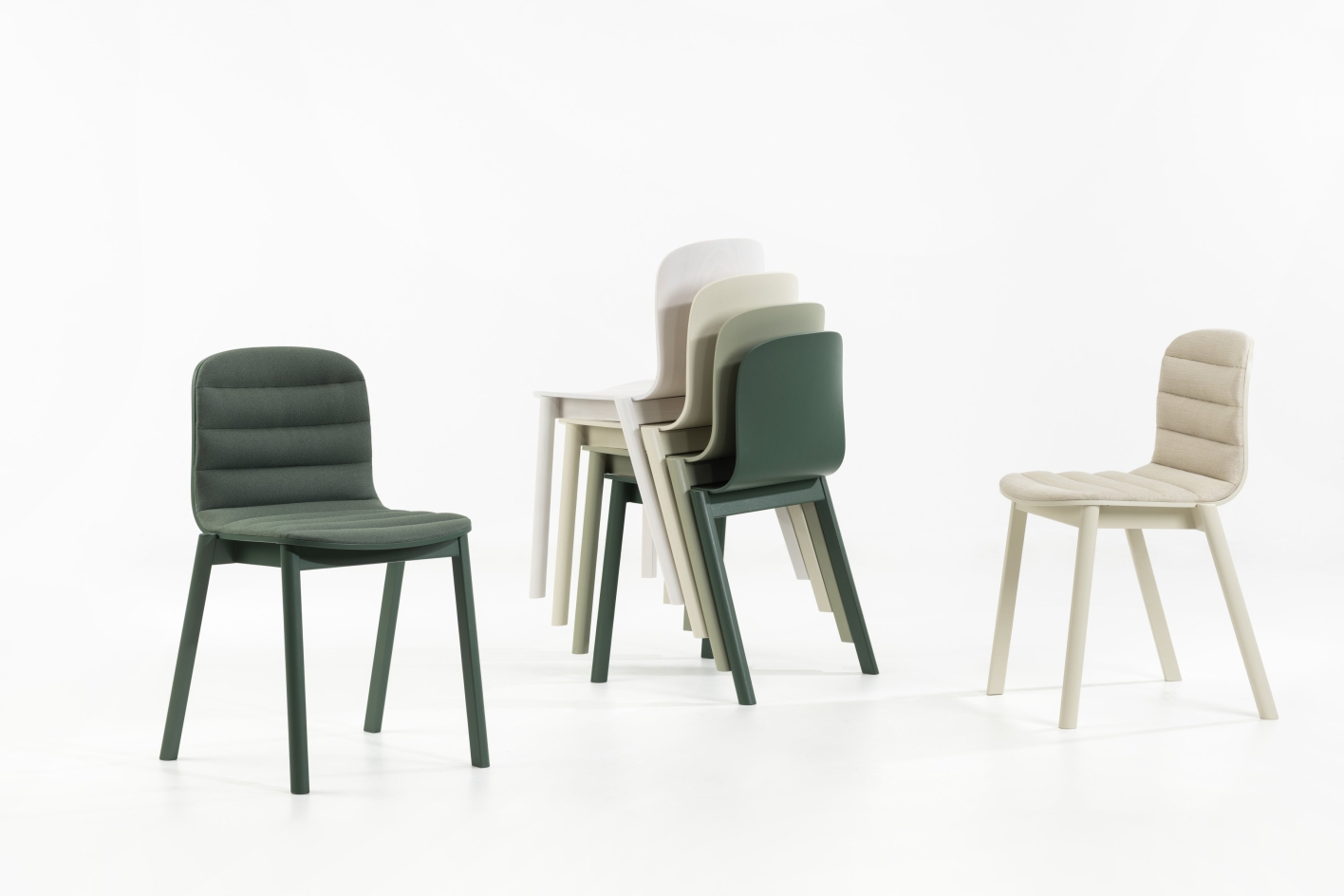
For me, All’ essenza is a kind of connection point. On the one hand, there is Merano, which is very geometric and precise. On the other hand, there is La Zitta, which is softer, more fluid and more relaxed. All’essenza sits somewhere in between. It brings these two styles together in a calm way. It doesn't try to dominate; it simply fits naturally into the collection.
The name suggests 'essence'. But what does that mean in this case?
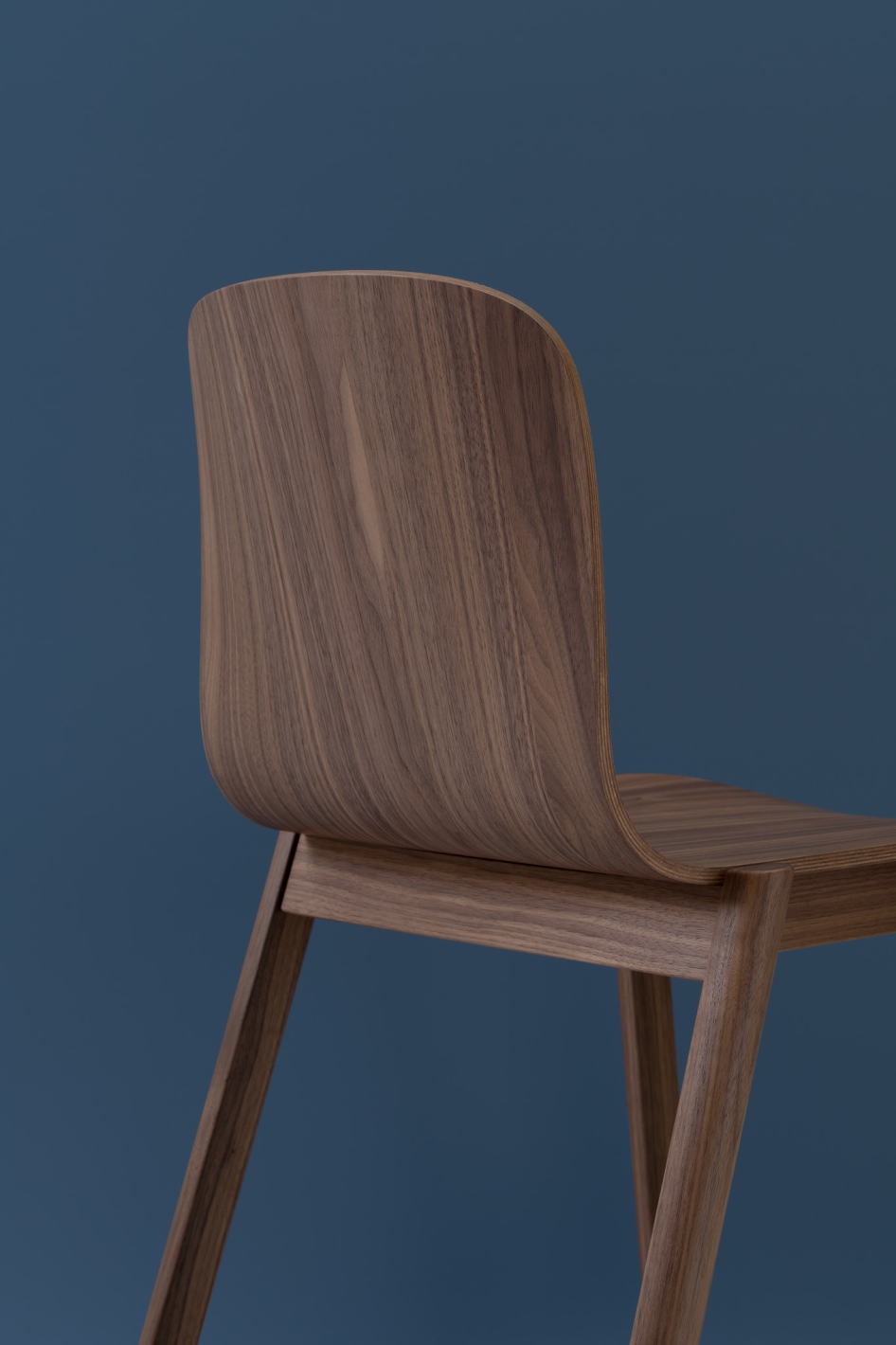
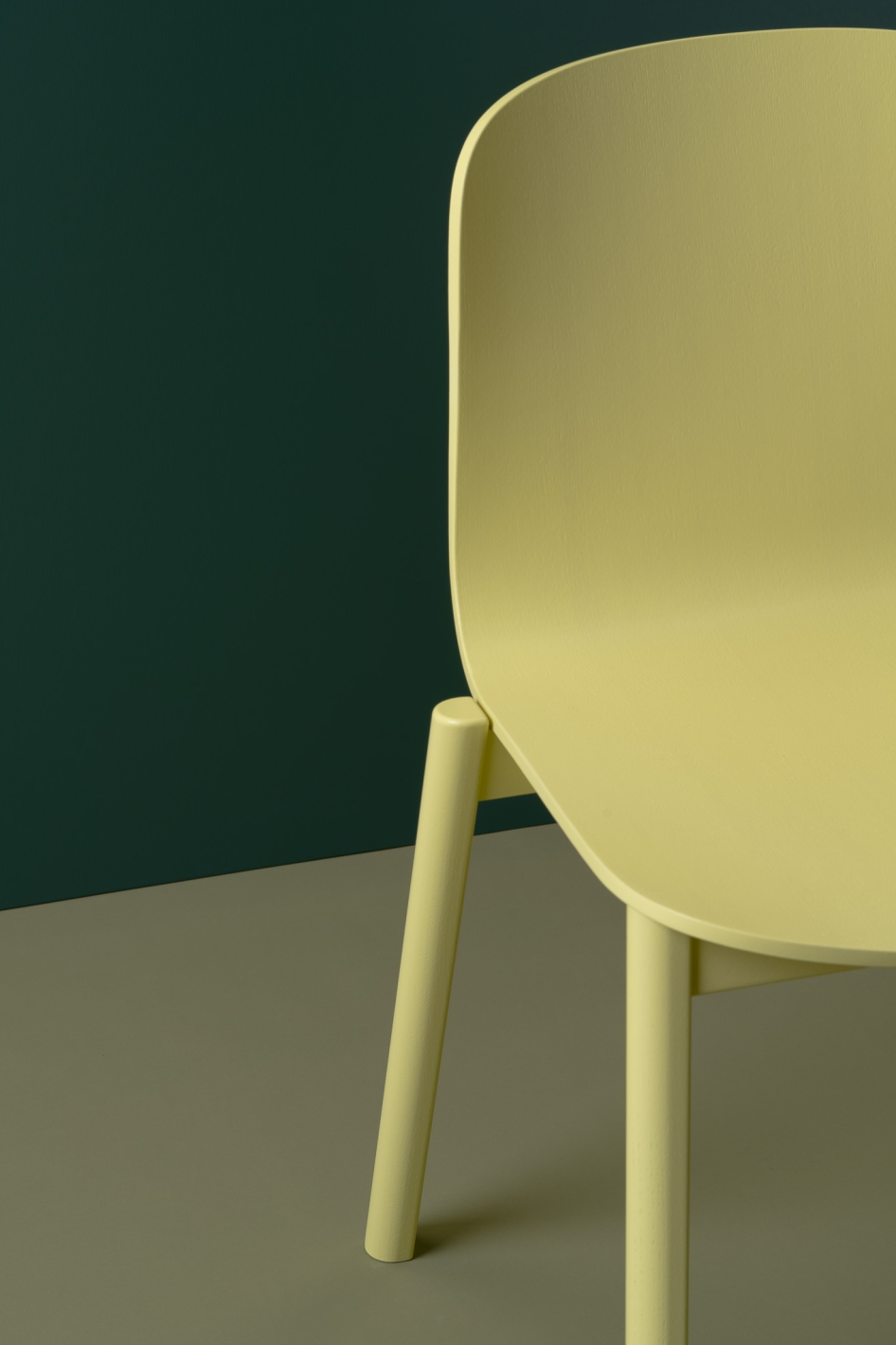
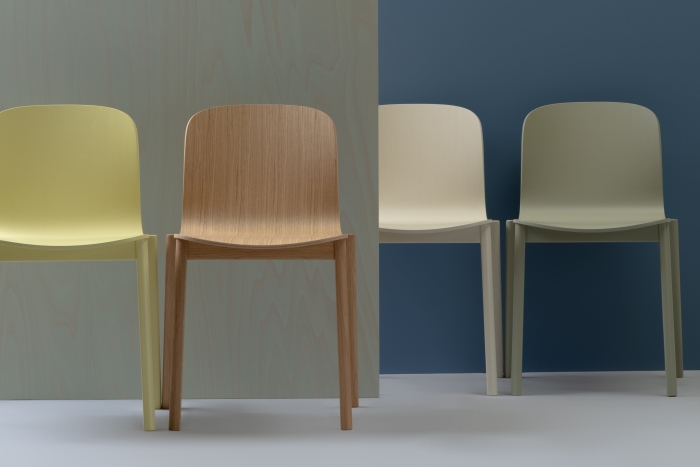
It's about returning to the essence of what a chair is. The structure is unremarkable, consisting of four legs, a seat and a backrest. However, within this simplicity, every detail becomes important. There is nowhere to hide. So the proportions, transitions and small lines — everything — have to be right. That’s what 'essence' means to me here.
You often emphasise proportions. Why are they so critical for a design like this?
Because there is no other distraction. If you design something very expressive, people focus on the gesture. But if the object is reduced, the only thing that remains is balance. And that balance is defined by proportions. Even a difference of one or two millimetres can change how the chair feels. People might not be able to explain it- but they will always feel it.
How do you personally know when something feels right?
It's a trained intuition. You work through many versions, making adjustments as you go. Sometimes the most important step is to stop and leave the design for a few days, before coming back to it with fresh eyes. If something is not right, you will see it immediately. If it is right, you also feel it immediately. It’s a very physical reaction.
The backrest is one of All’essenza's key elements. How did you approach its development?
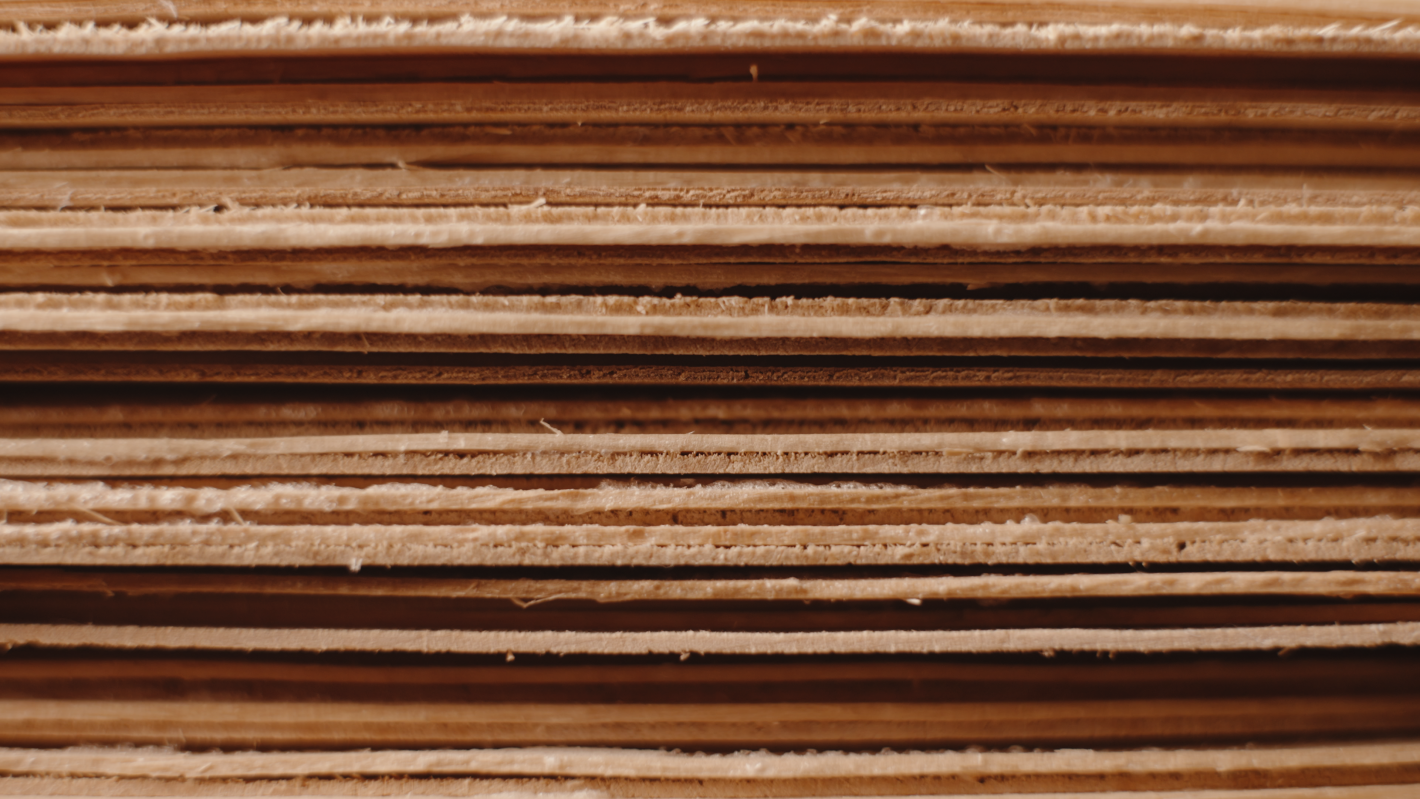
It involved constant testing. We worked with people of different body types to try and find a shape that would feel comfortable to everyone. At the same time, we had to respect the material's limitations. So the final shape is always a compromise. Between comfort, how the material behaves, and production logic.
Where do you envisage All’essenza being used?
From the outset, it was evident that it would be highly effective in the hospitality sector. Ton's strengths lie in restaurants, cafés and hotels. However, the chair is also versatile enough to be used in offices or private residences. This versatility was important. It shouldn't be confined to one specific environment.
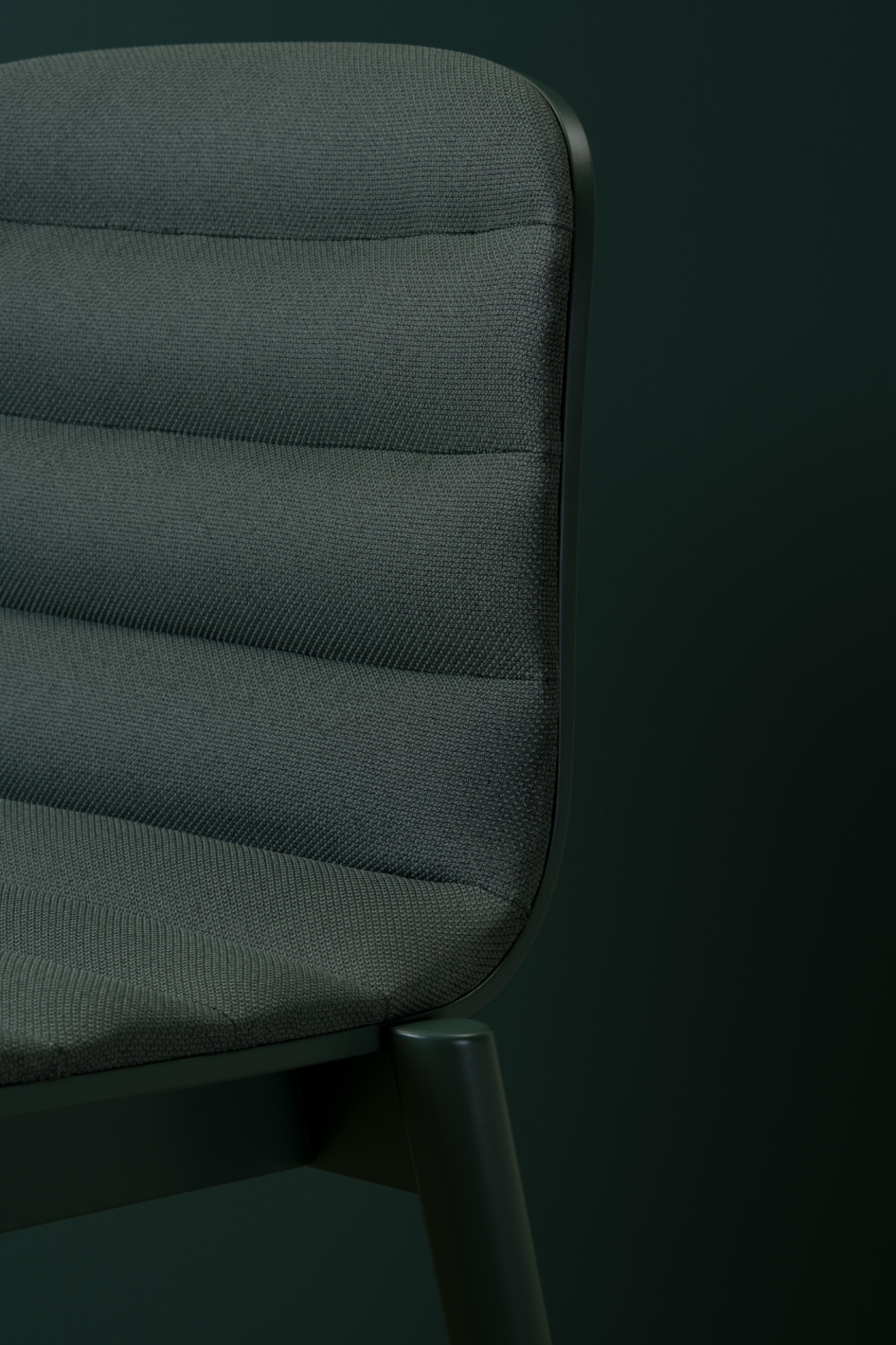
The upholstery adds a subtle layer of detail. What was the reasoning behind this decision?
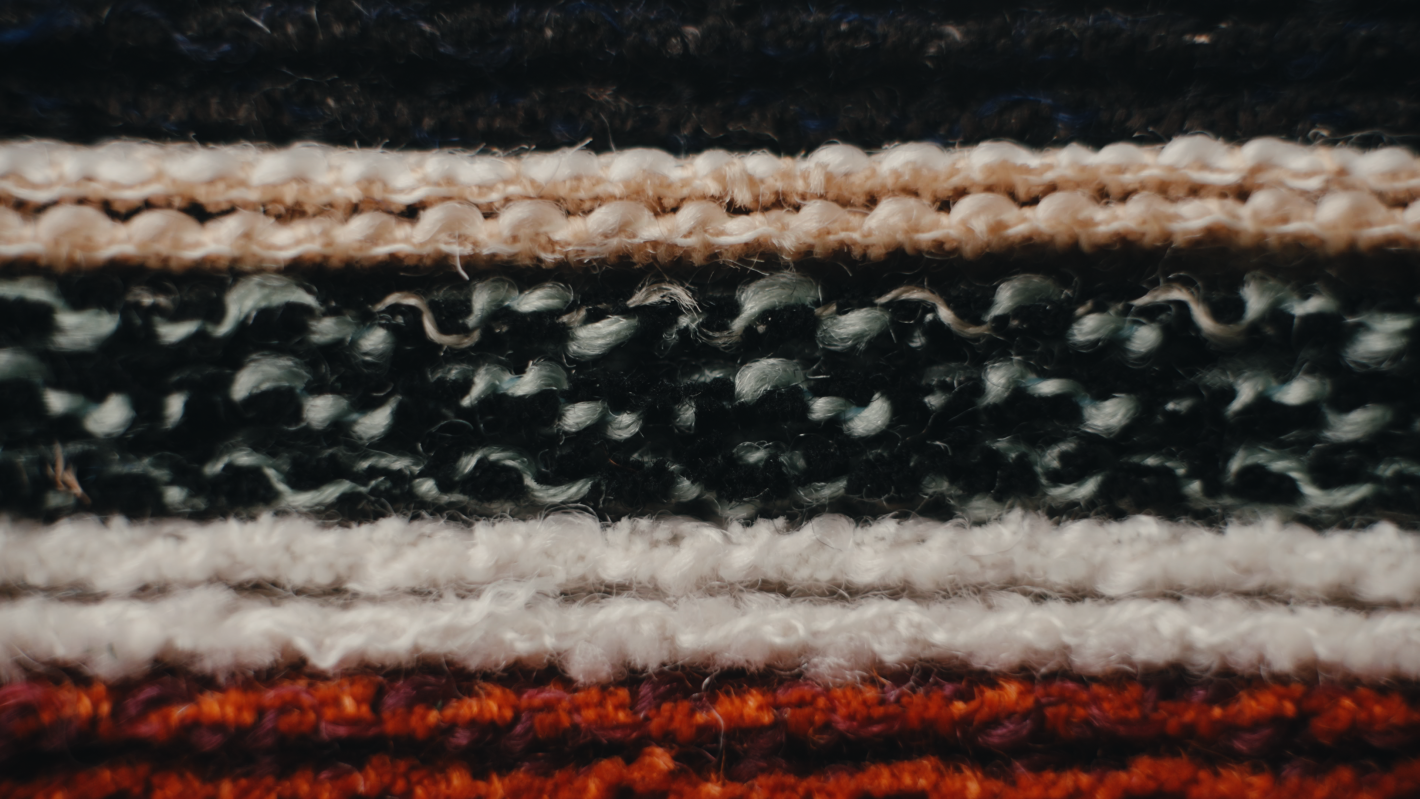
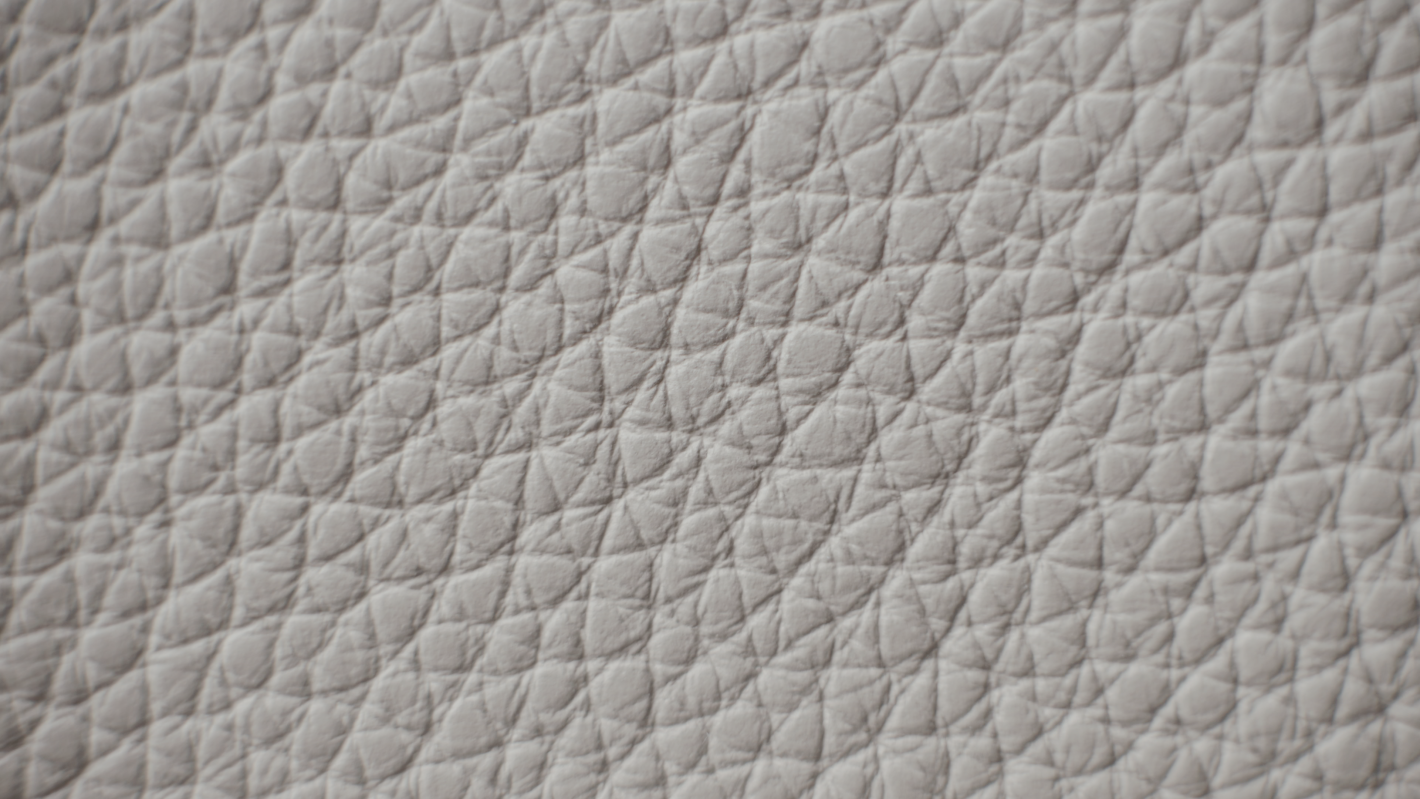
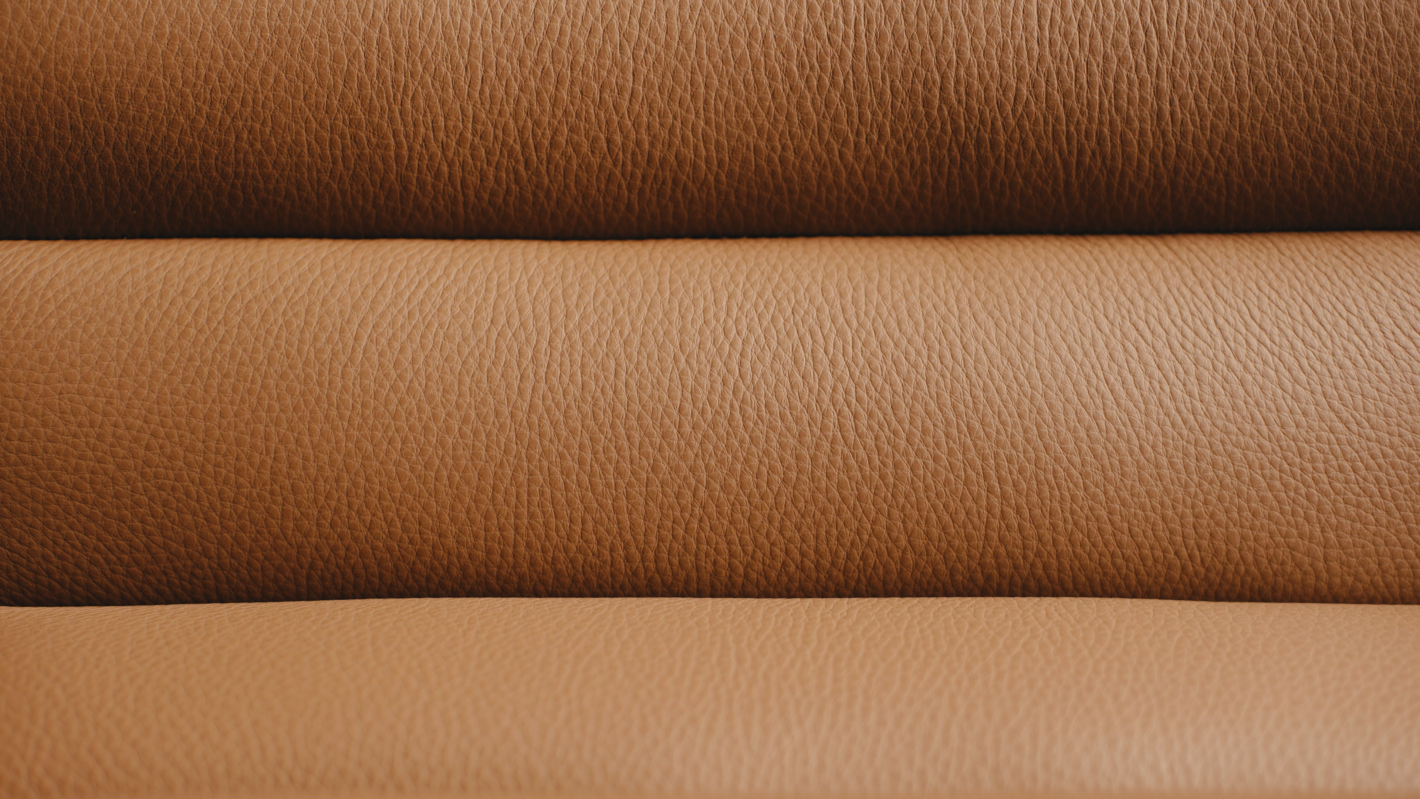
It started as a technical necessity. With a three-dimensional shell, it is not possible to simply apply one flat piece of fabric, as this would create air pockets. So, we had to work with stitching and smaller segments. However, we then realised that this constraint could also present an opportunity. Because the chair is so minimalist, this detail adds a certain richness without becoming dominant.
If you had to describe the chair in three words, what would they be?
Simple. Balanced. Essential.
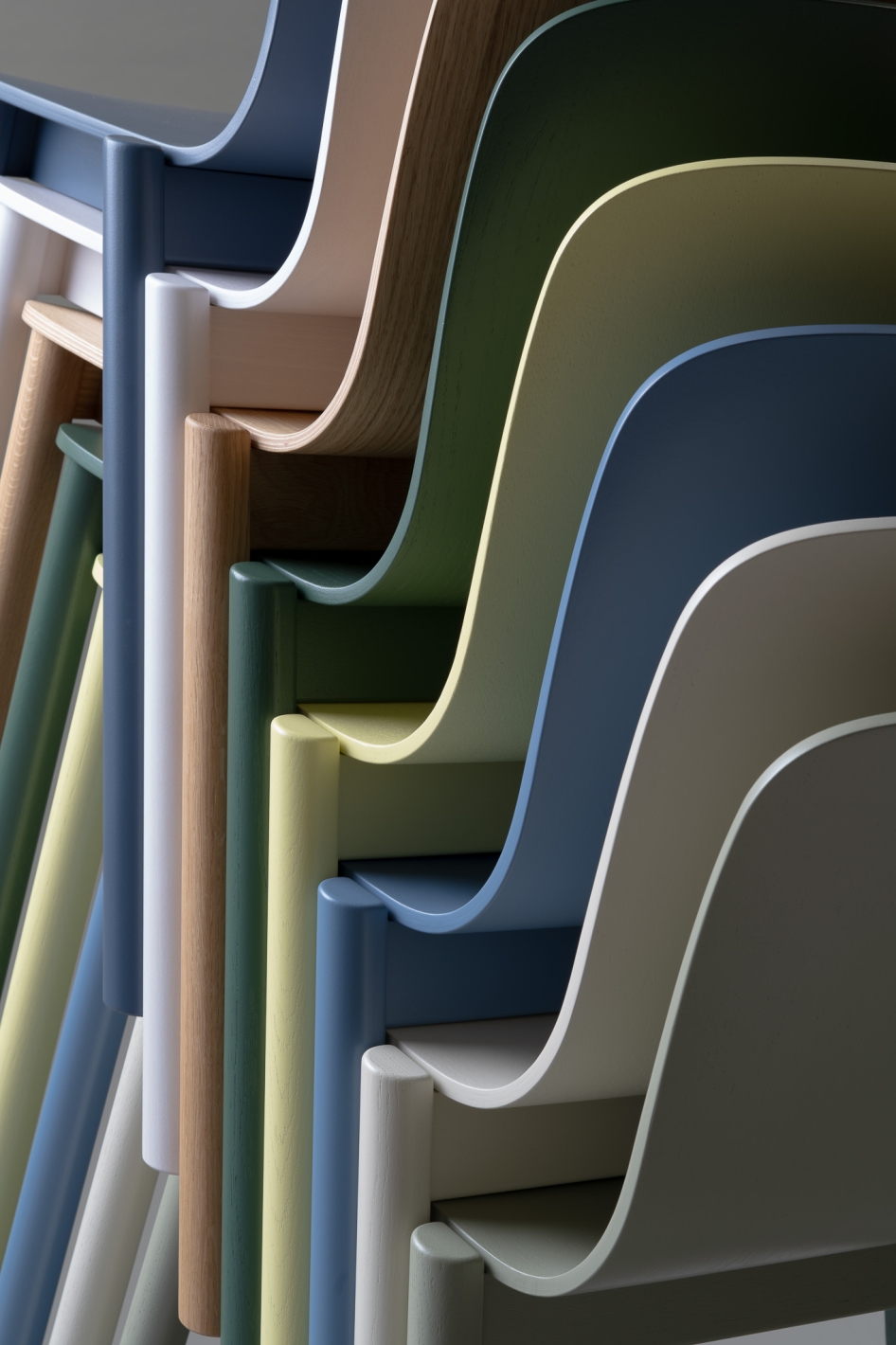
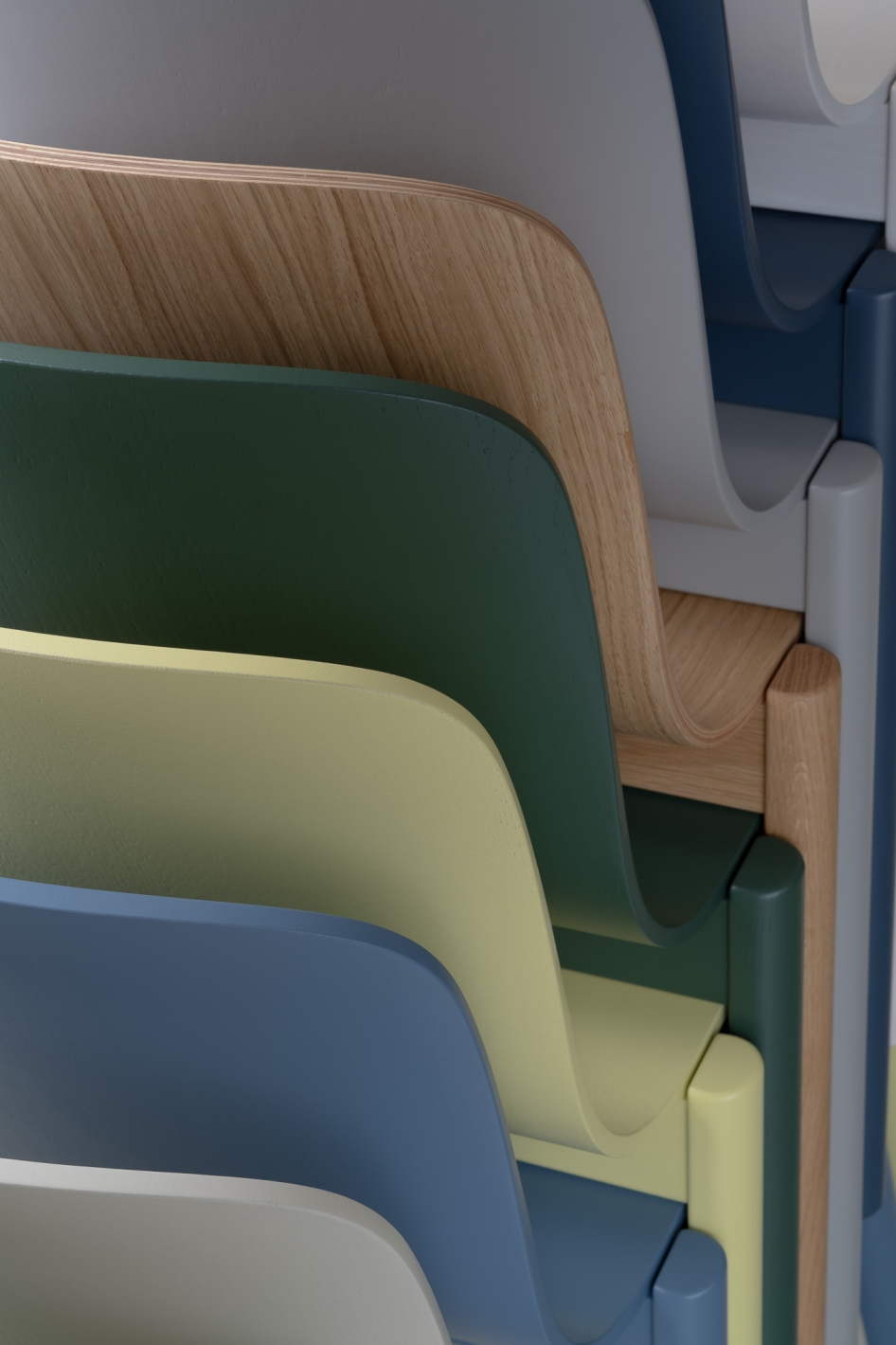
All´ essenza: Sit light. Stack tight.
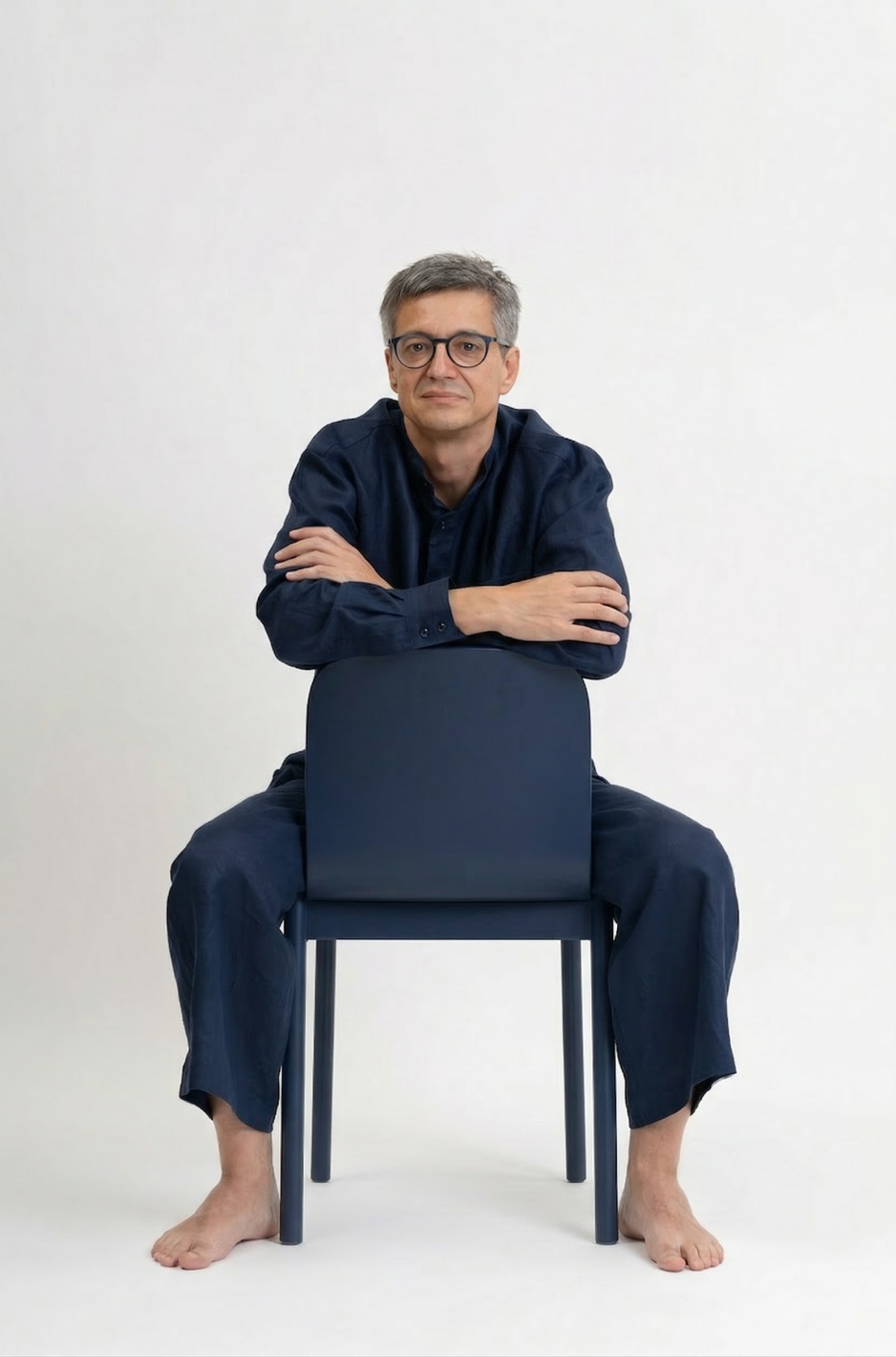
“When a form achieves the right proportions and the design is reduced to its essence, only the essence remains. All’essenza is a chair that strikes a balance between simplicity, comfort, and timeless elegance.”