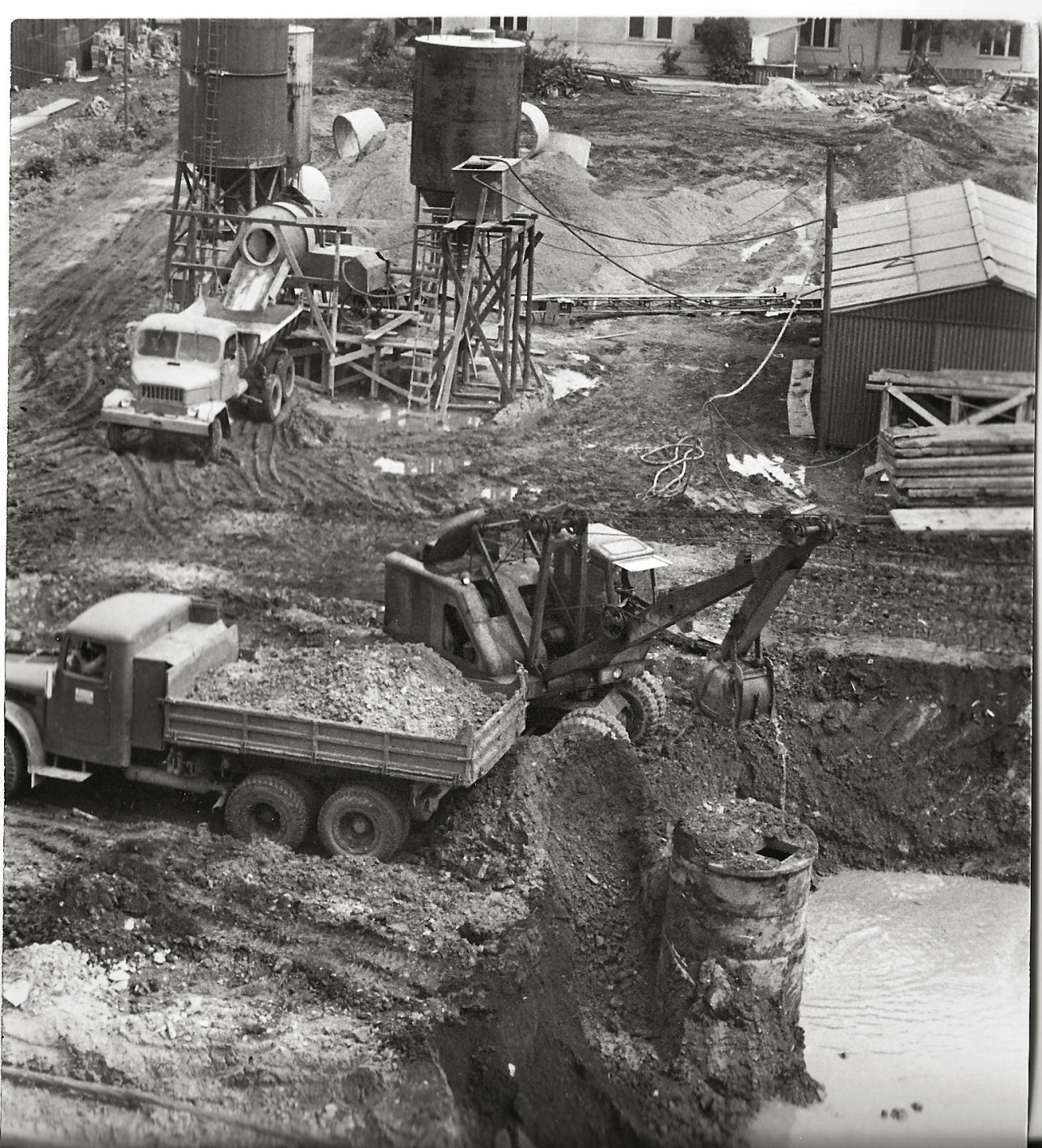
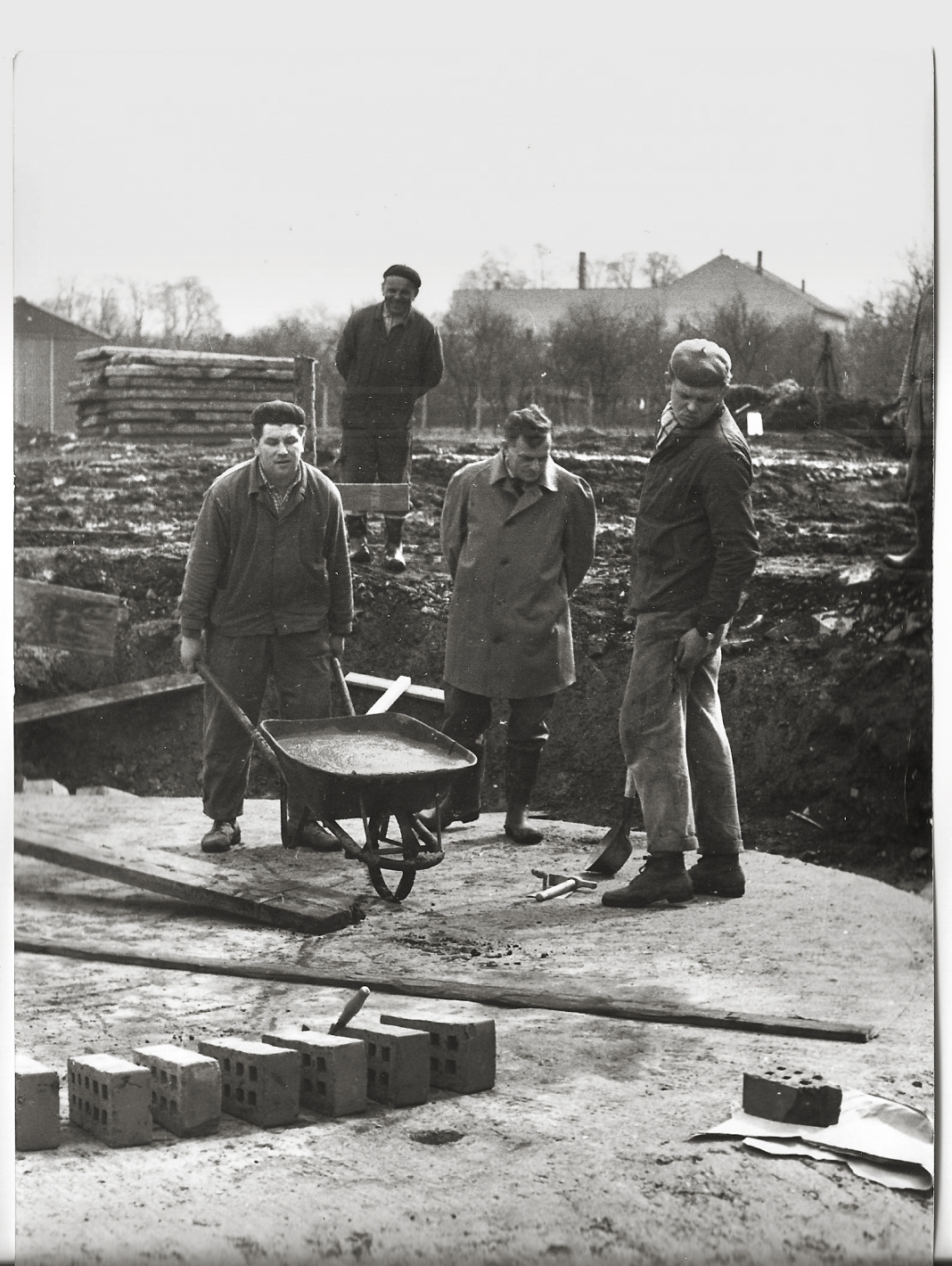
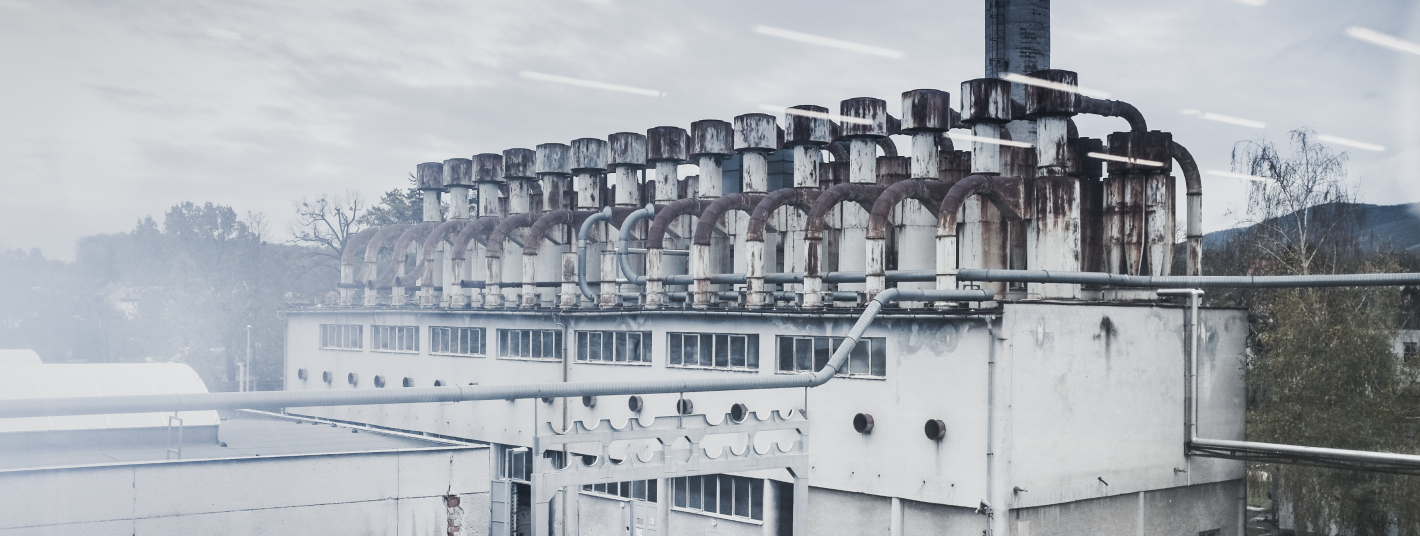
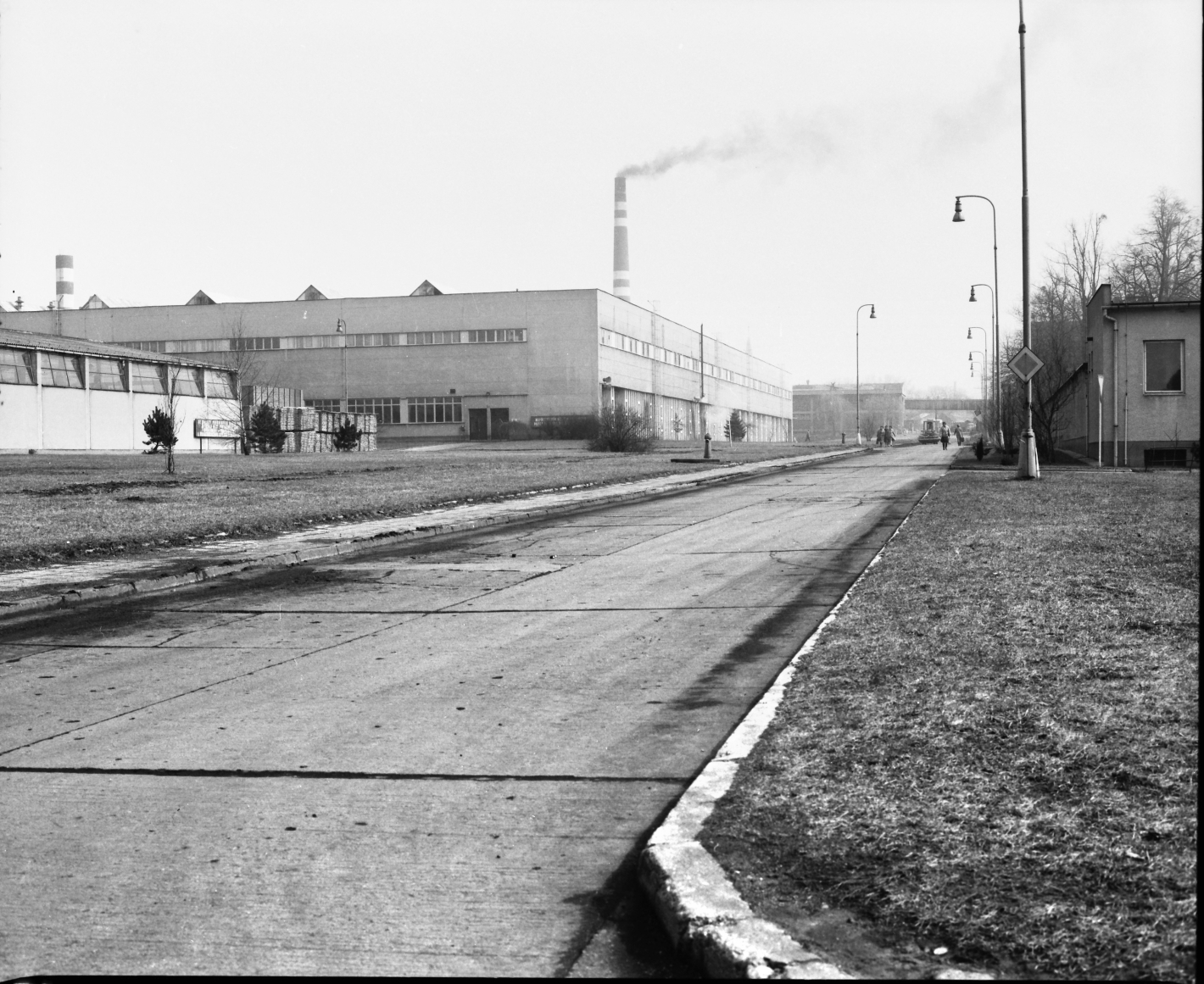
A modern manufacturing facility was built between 1965 and 1970; the facility
is still in use today.
Skip to content Skip to menu Skip to search
Dark clouds began to gather over Thonet-Mundus factories at the beginning of the Second World War. In September 1939, the Nazi government’s Supreme District Counsellor in Kroměříž installed Franz Schieferdecker as the official Nazi overseer at the Bystřice factory. Production in Thonet-Mundus factories in Czechoslovakia had already been curtailed before the war; during the war the company’s remaining facilities also shifted production toward the war effort. For example, the Koryčany factory produced wooden wings for the training Arado aeroplane, other factories, including Bystřice pod Hostýnem, made boxes for ammunition and rifle butts, and in German Frankenberg the Thonet-Mundus factory made reclining beds for military hospitals. The second war of the century brought even greater difficulties to the company than the first. Air raids caused severe damage to some of the factories and the Frankenberg complex was completely destroyed at the end of the war.
A modern manufacturing facility was built between 1965 and 1970; the facility
is still in use today.
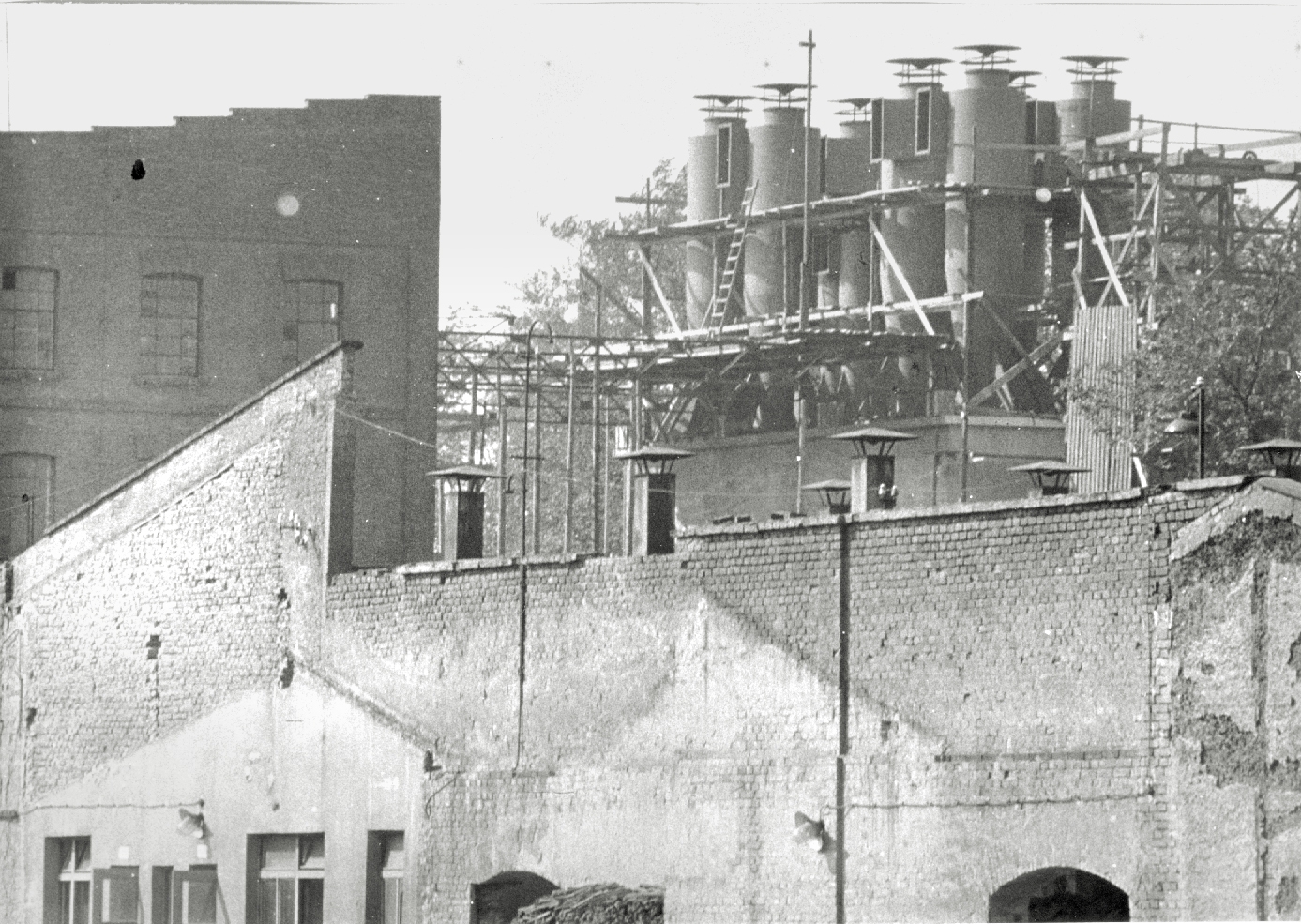
In 1945, after the end of the war, Thonet family property was confiscated and
nationalised under a series of laws known as Beneš decrees. This included
factories in Bystřice pod Hostýnem, Halenkov and Koryčany, large country
manors in Vsetín and Velké Uherce, and department stores in Prague and Brno.
Thonet was converted into a national enterprise and in 1953 renamed to Továrny
ohýbaného nábytku [Bentwood furniture factories], better known under the
acronym TON. Various Thonet facilities were reorganised and subdivided in line
with new socialist ideas about organising production. Despite the
reorganisation, the Bystřice factory continued to produce classic Thonet
furniture, with new designs added under the leadership of architects Antonín
Šuman, Radomír Hofman, Josef Macek and others. Some of their designs were
prized both at home as well as abroad.
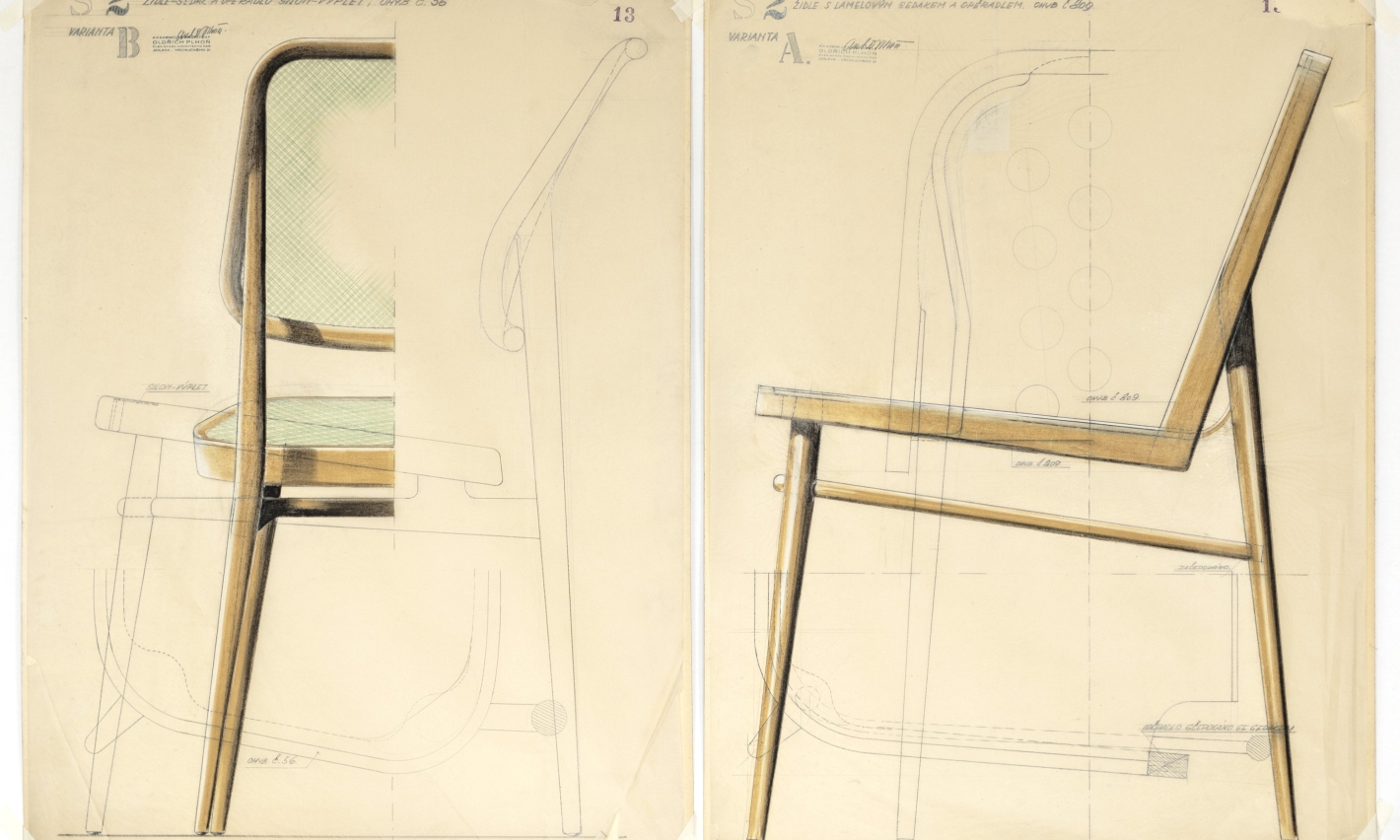
Design of a chair by architect Plhoň, submitted to a competition in 1957.
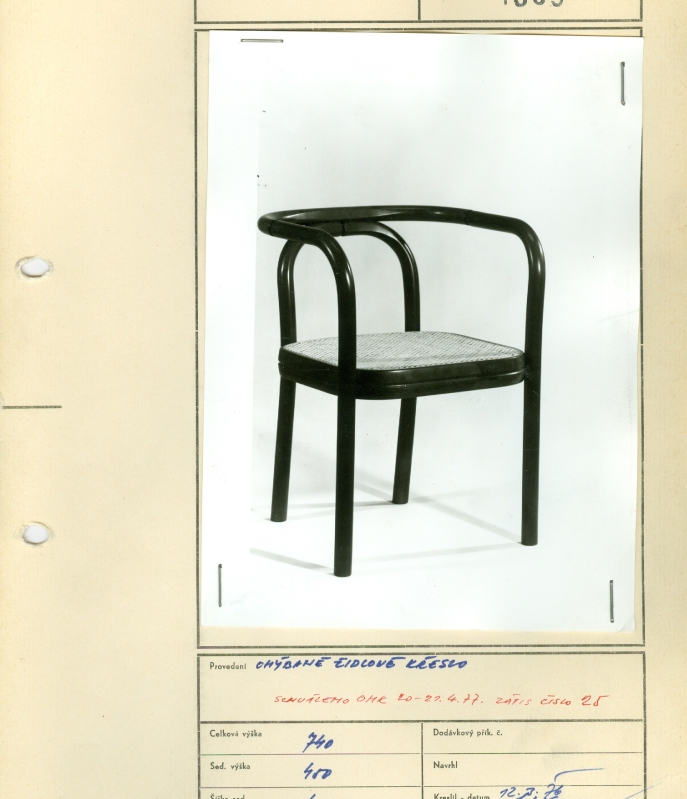
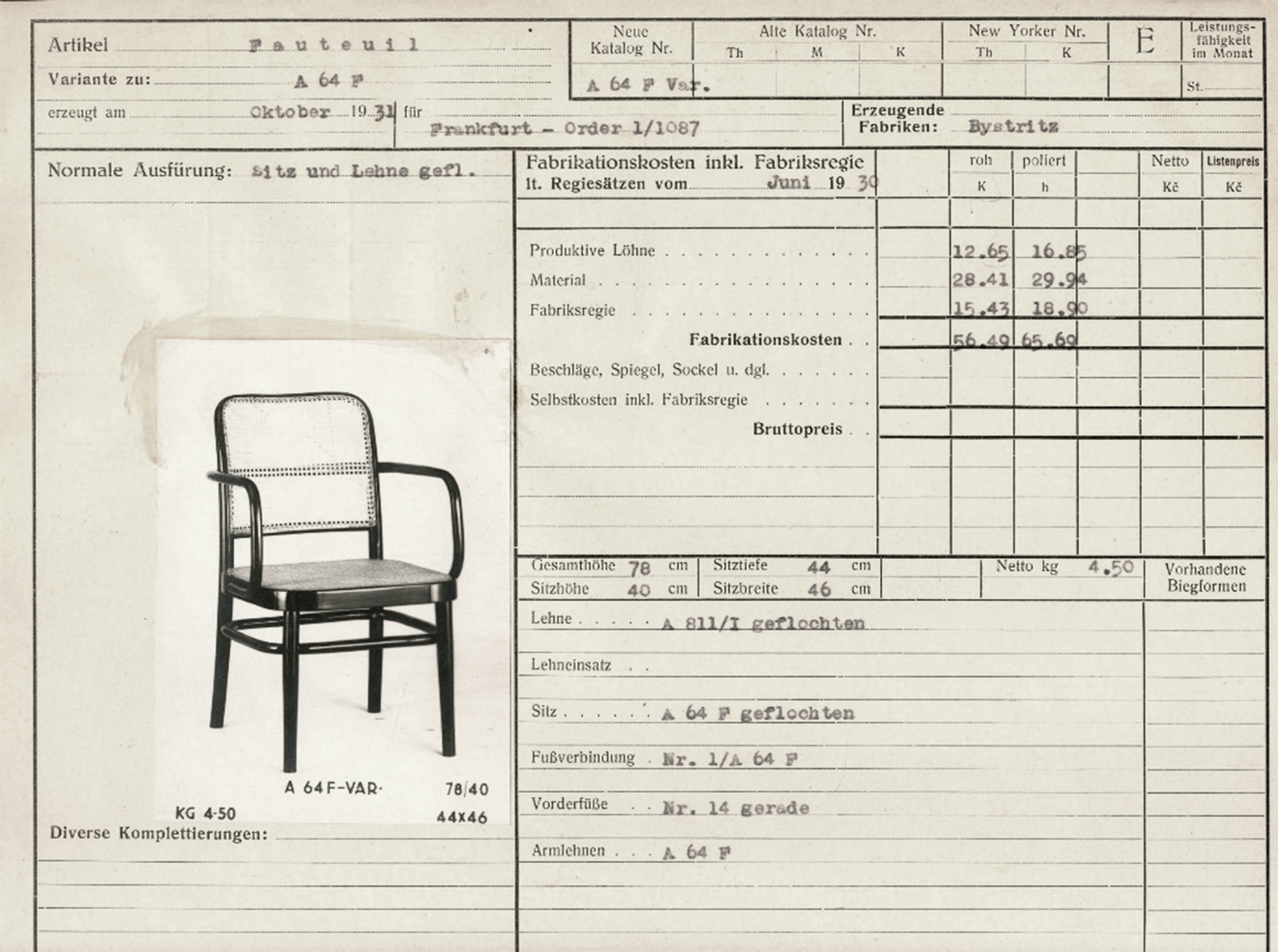
TON held a special position within the furniture manufacturing sector and even
had its own design studio, which in the 1950s began to develop modern chair
designs. Initially these reflected the Brussels style, the local name for a
style that became popular in Czechoslovakia after the
country’s participation at the 1958 Brussels world fair. In the 1970s,
simpler and more monumental forms became popular, including designs by Radomír
Hofman and Antonín Šuman.

We met the Černoch family in their home in Všechovice and spoke about their experiences of working in different TON factories and the way in which this has shaped the story of their family. The Černoch family is inextricably linked to the small village of Všechovice, which is also the birthplace of the functionalist architect Bohuslav Fuchs.