Skip to content Skip to menu Skip to search
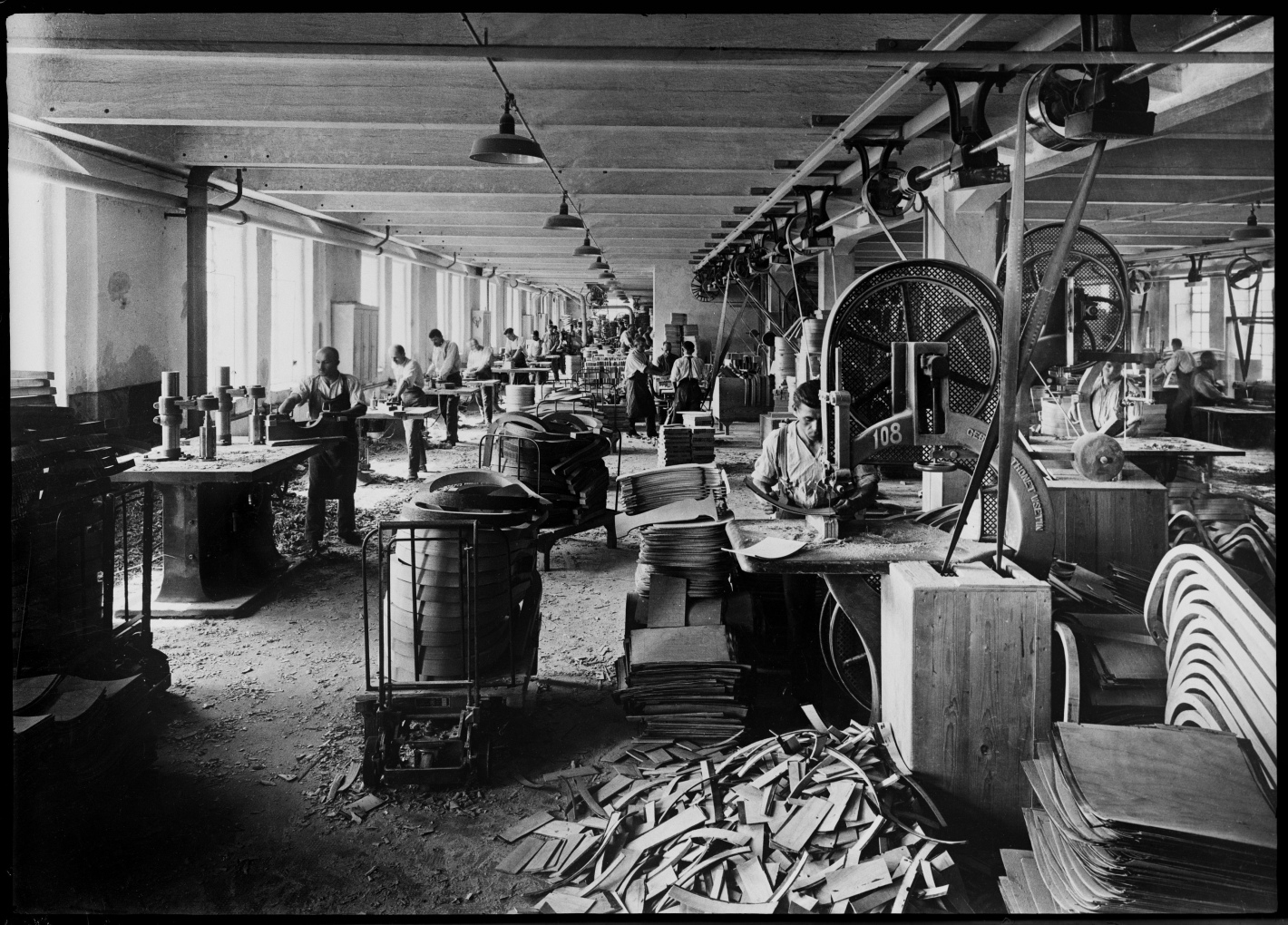
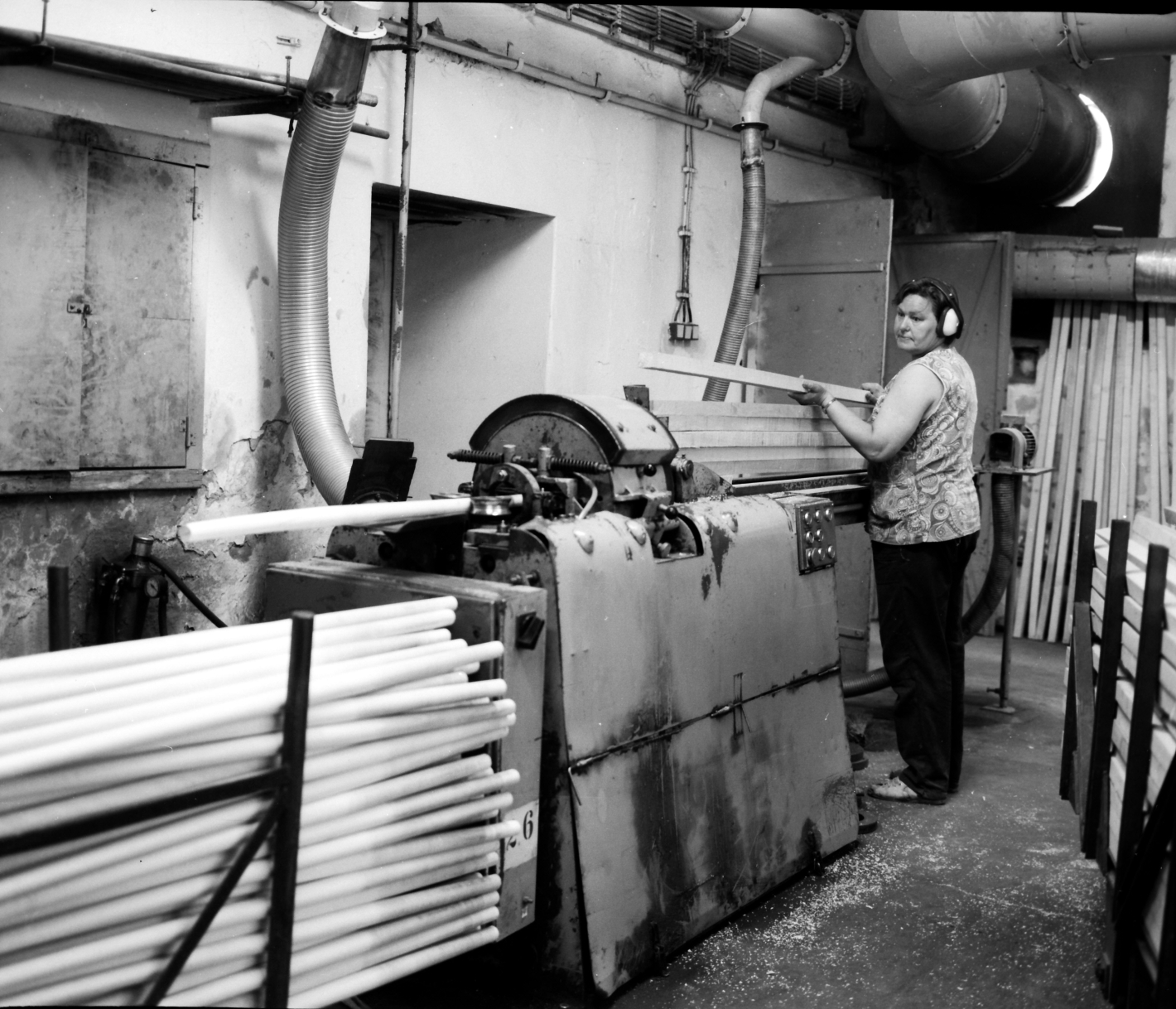
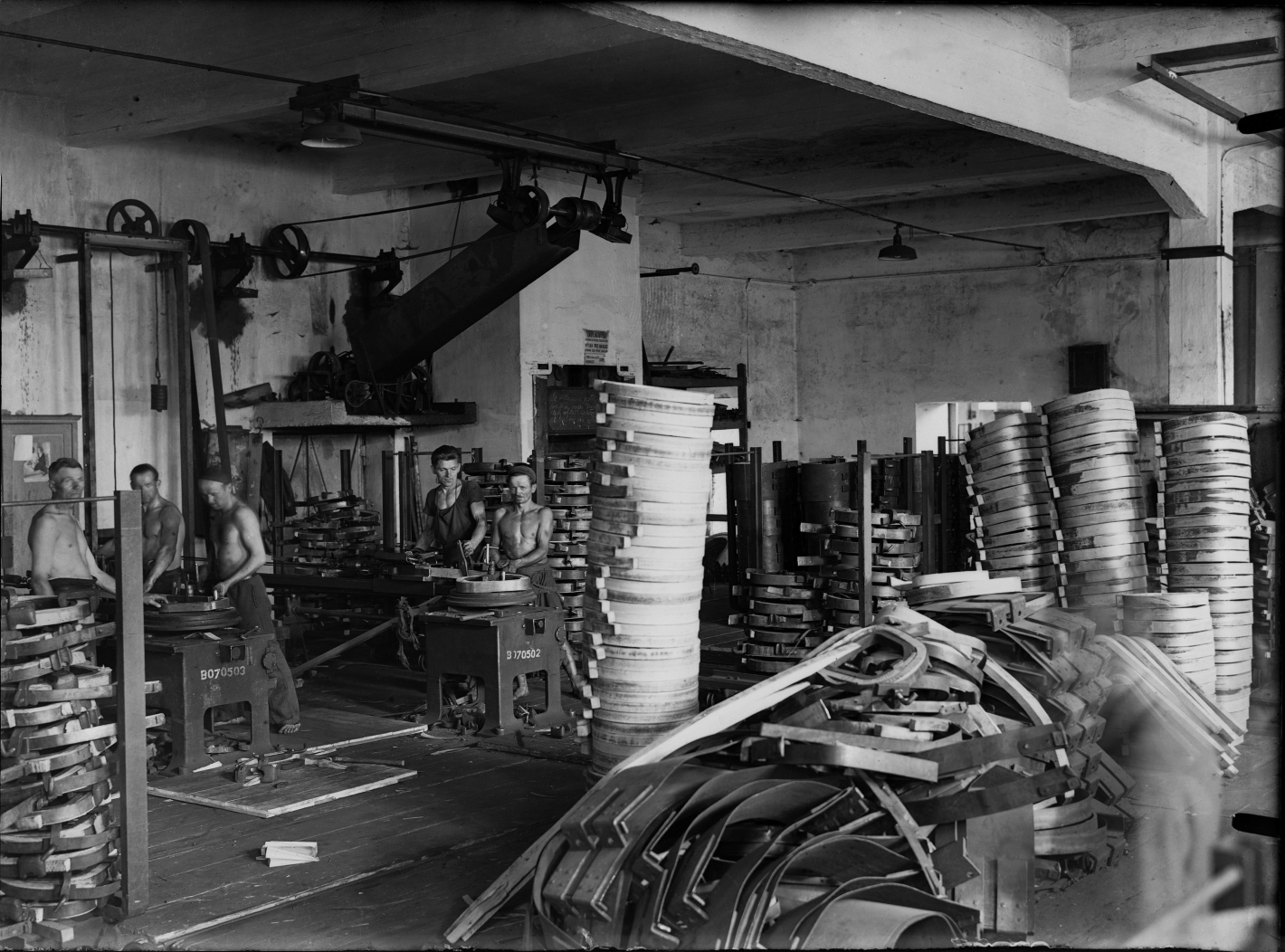
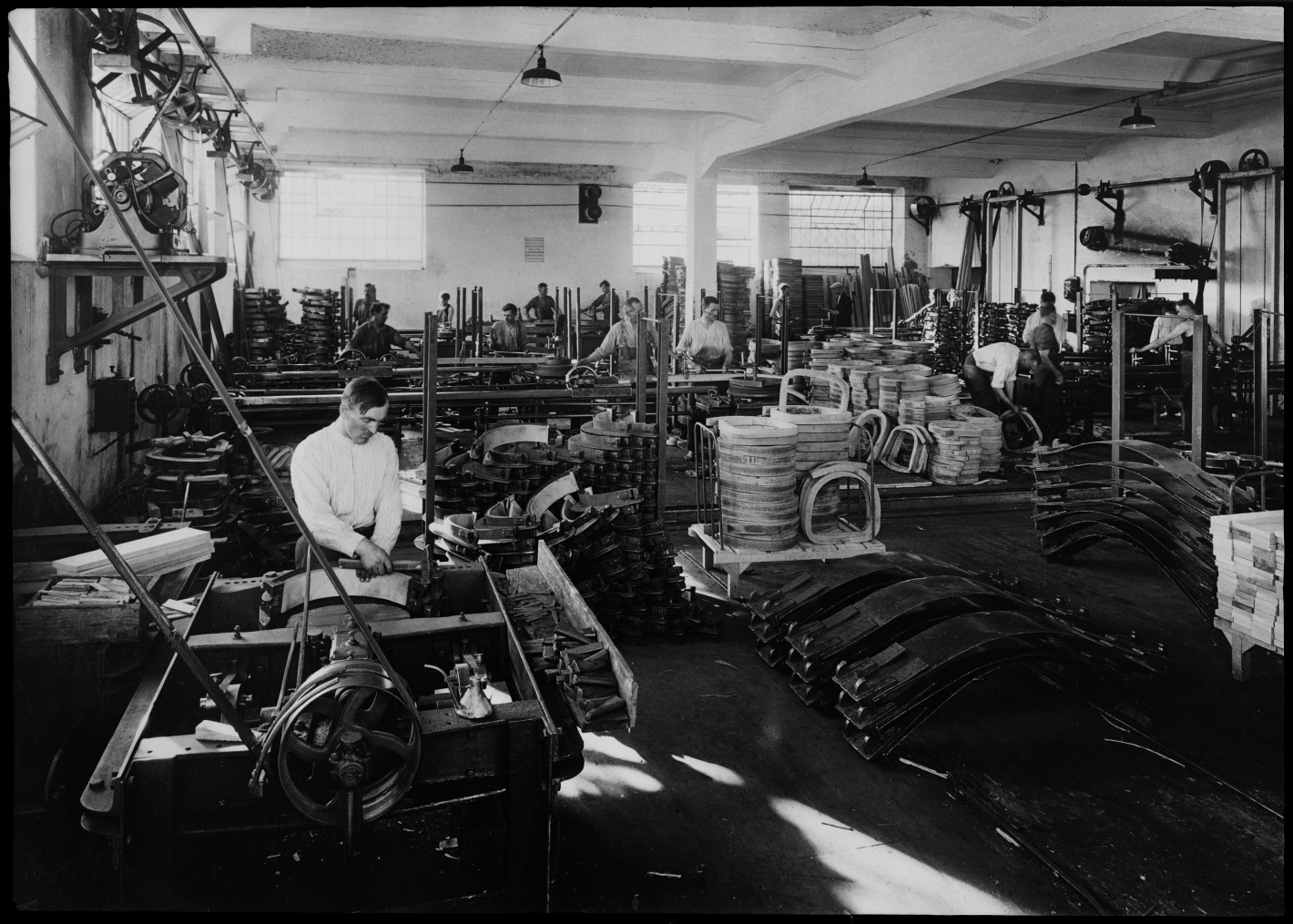
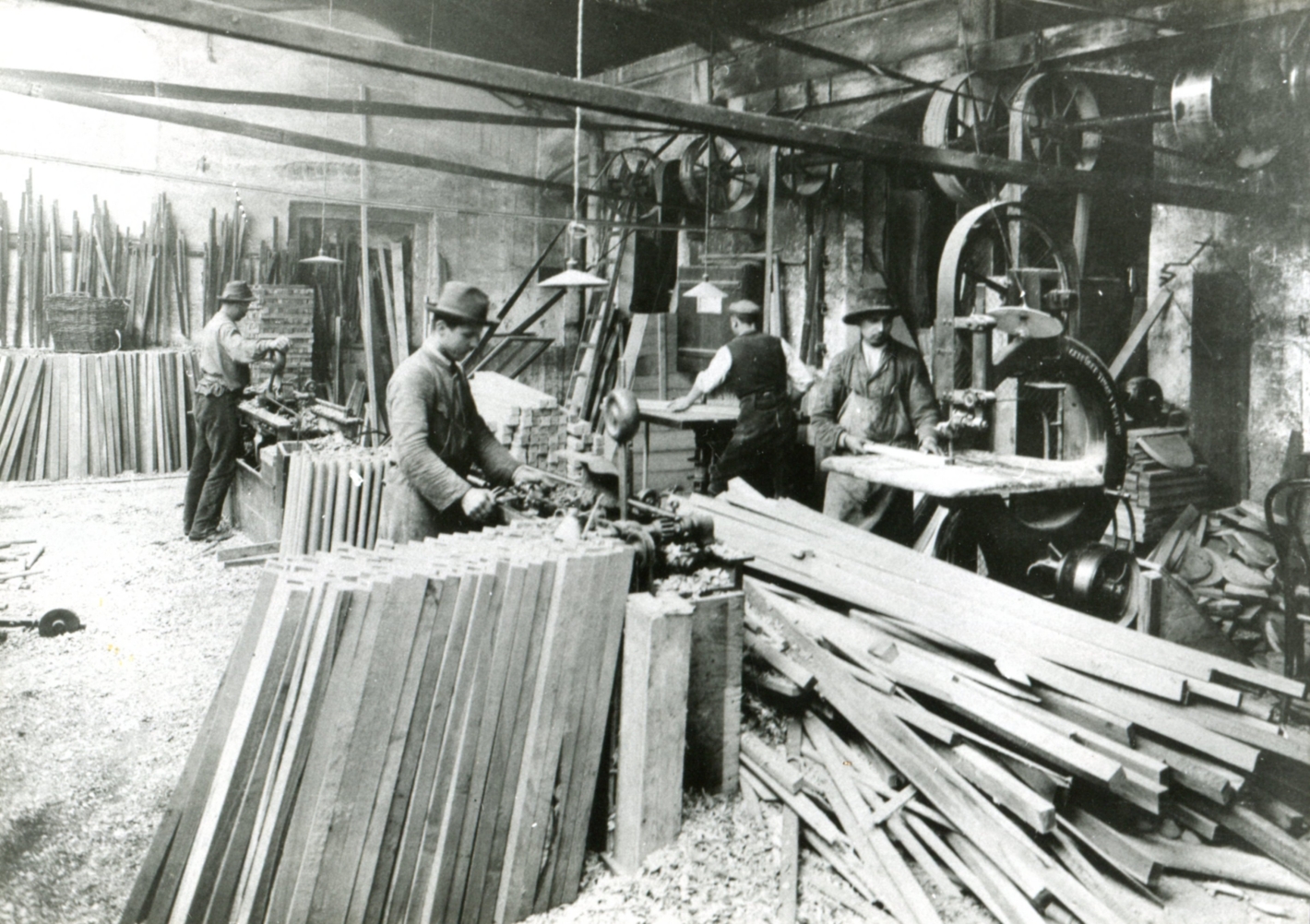
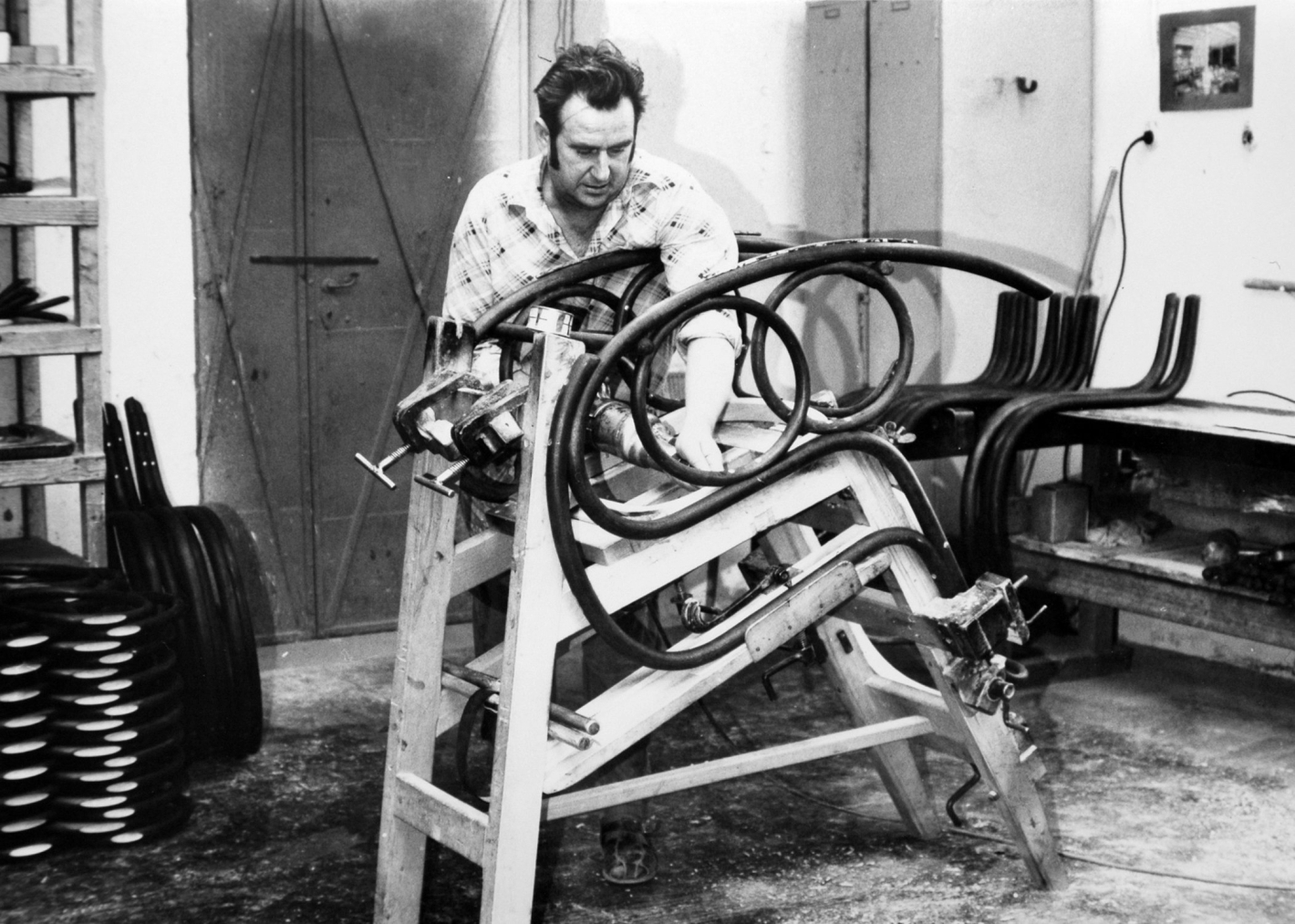
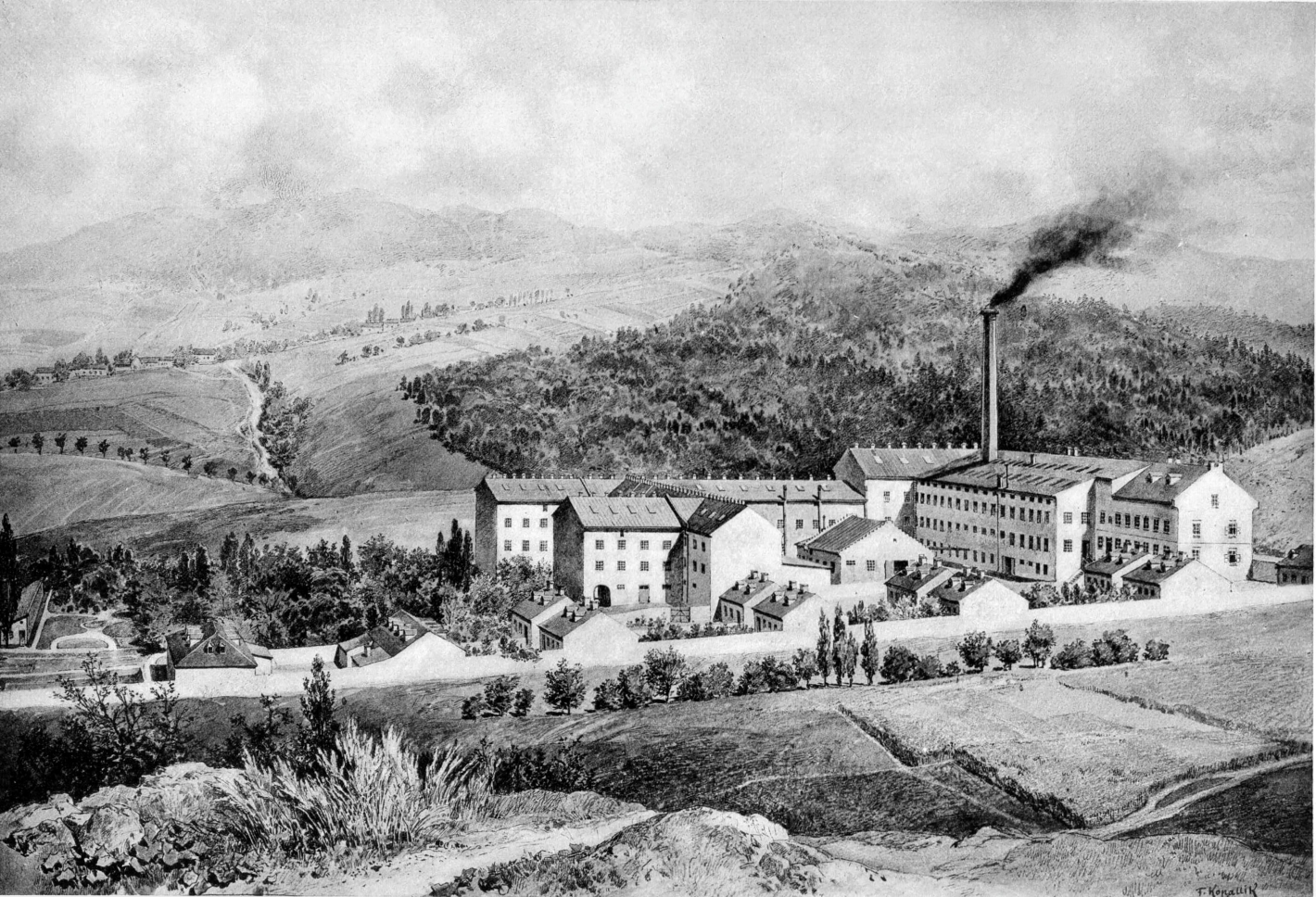
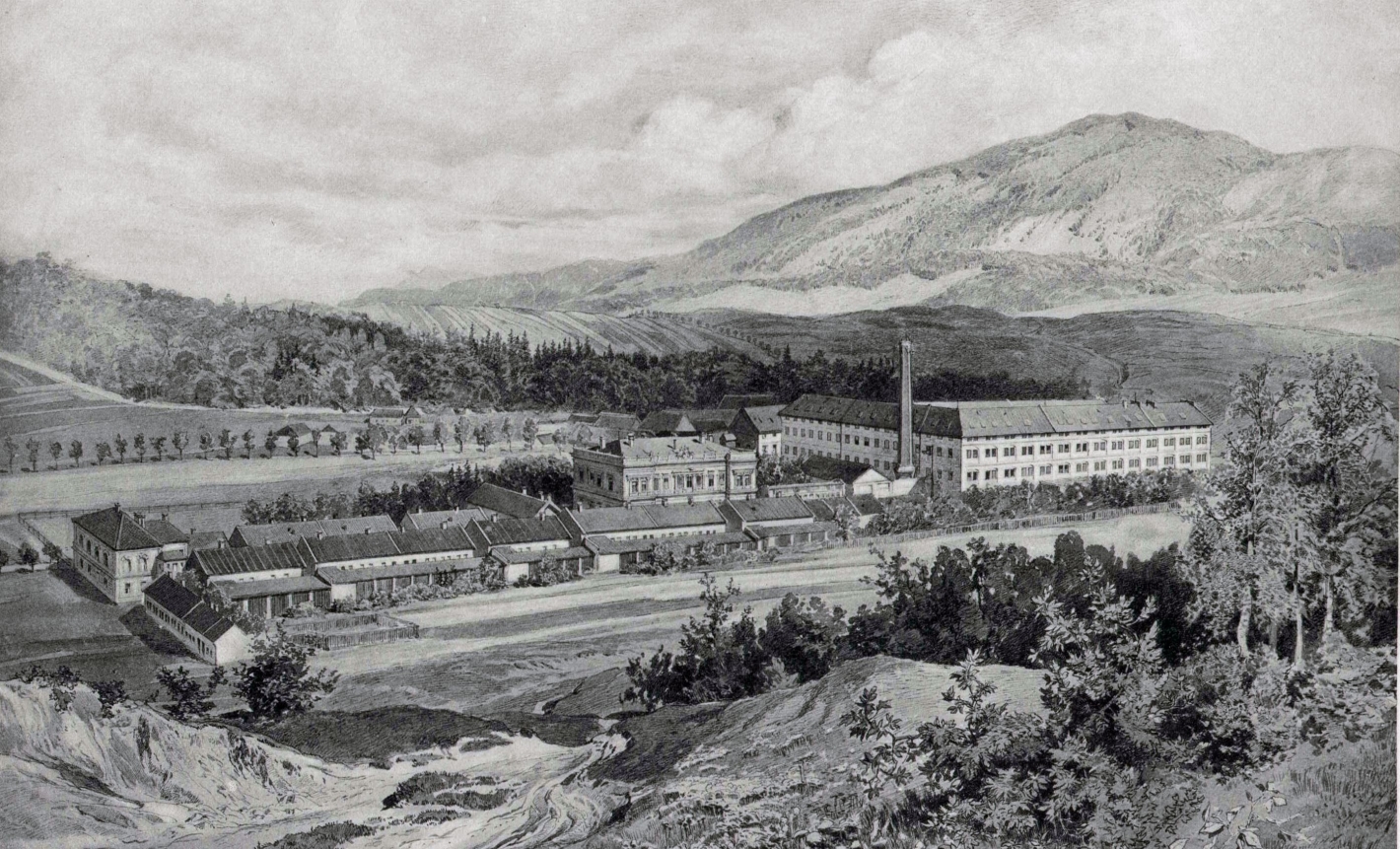
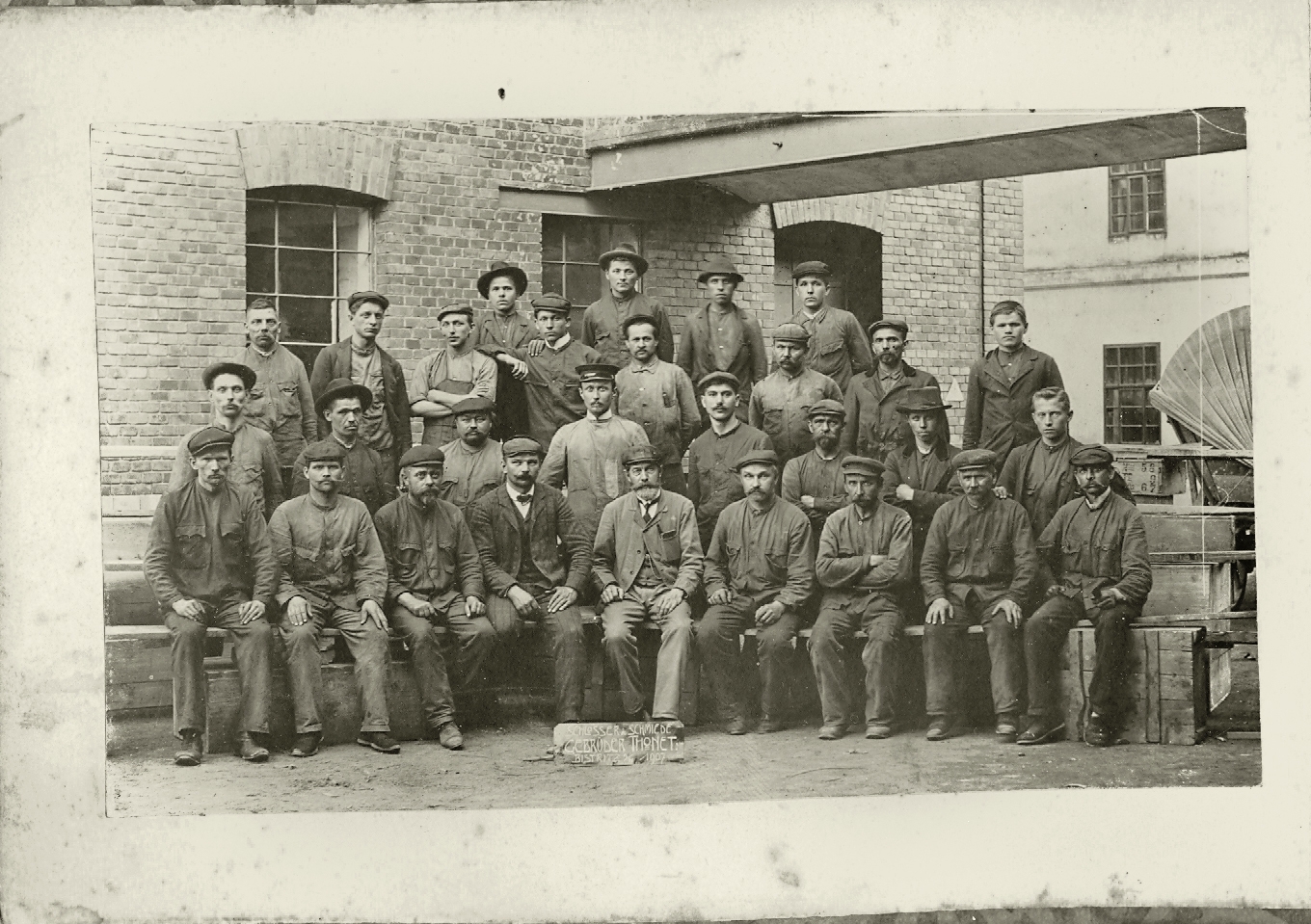
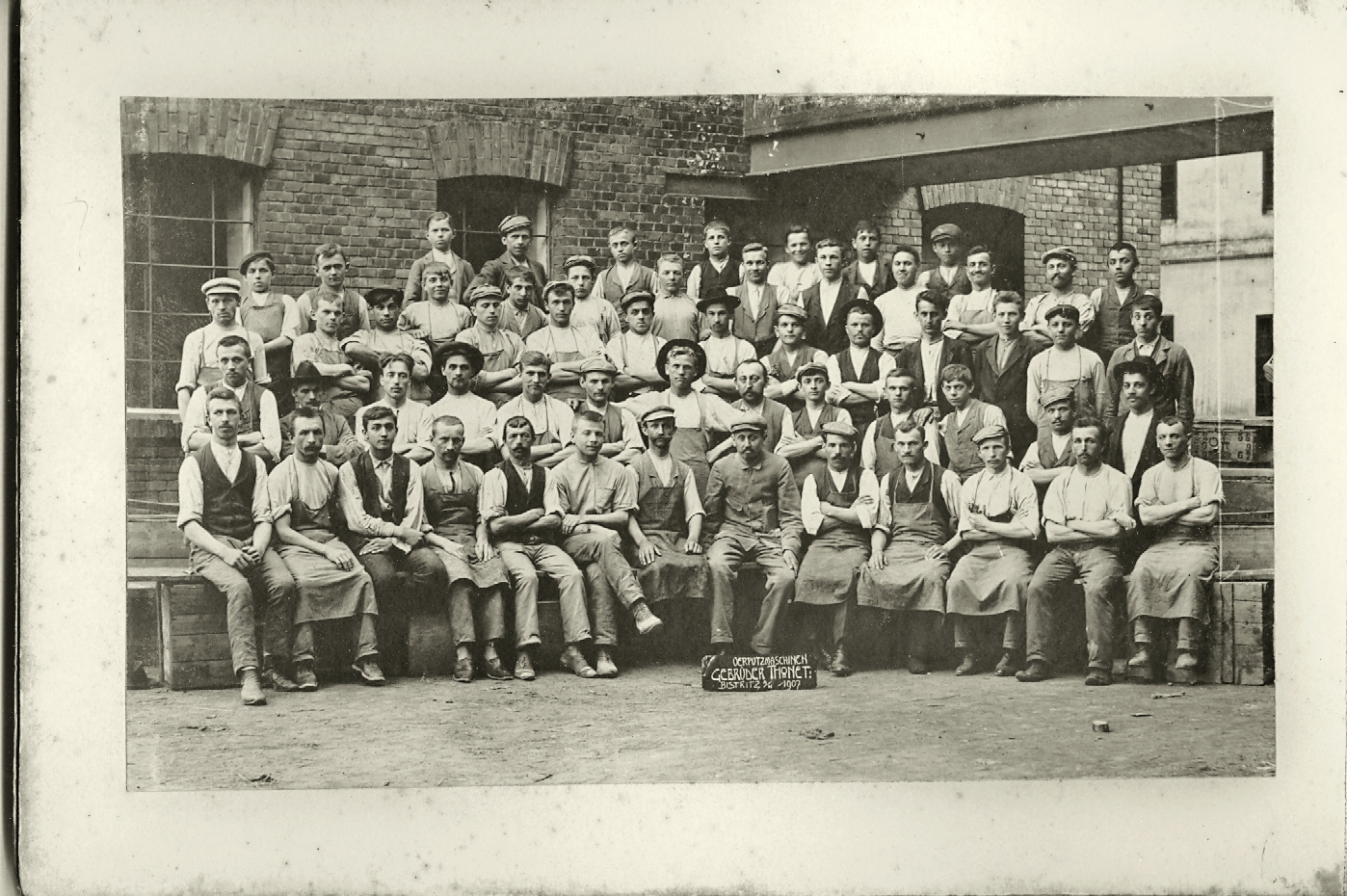
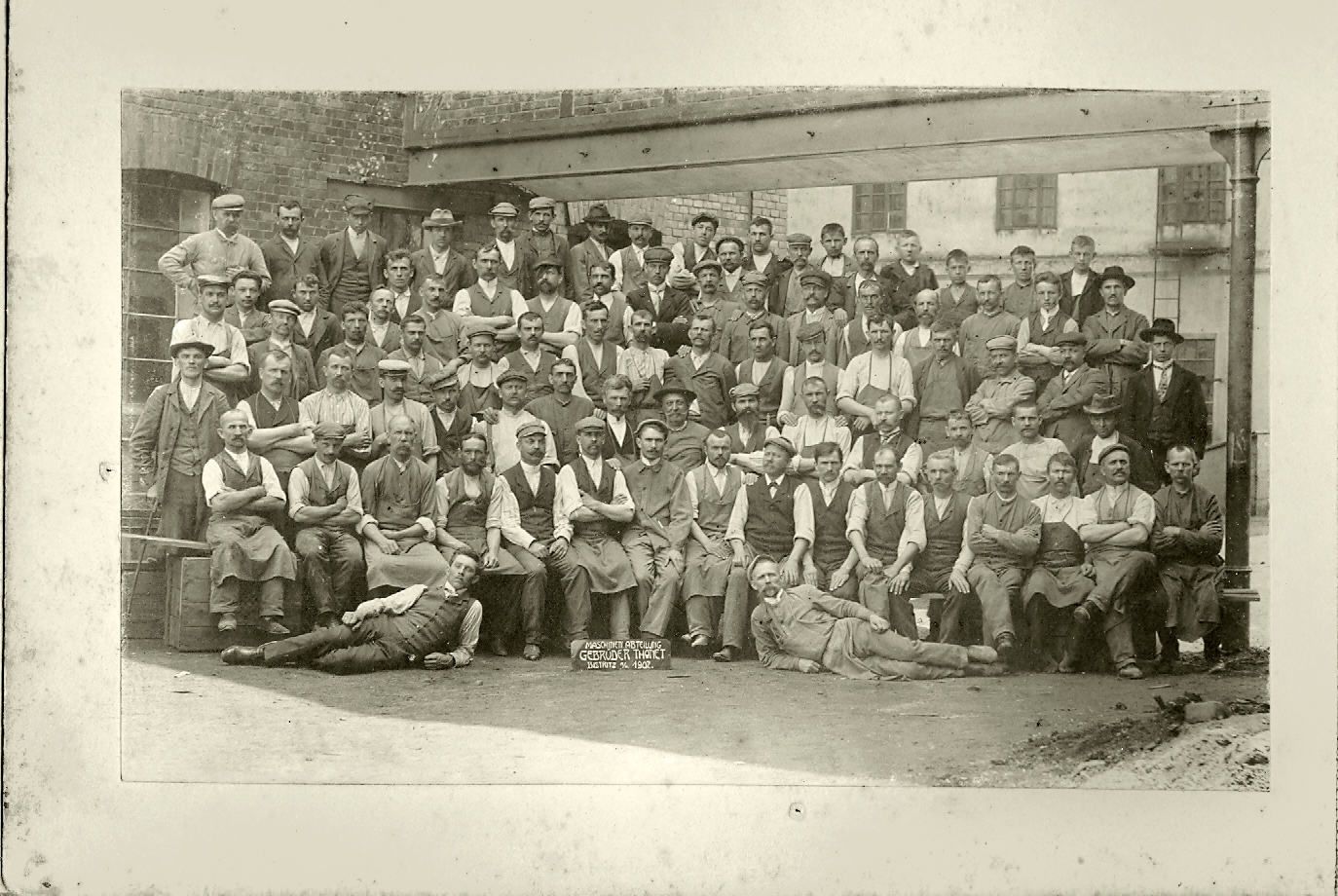
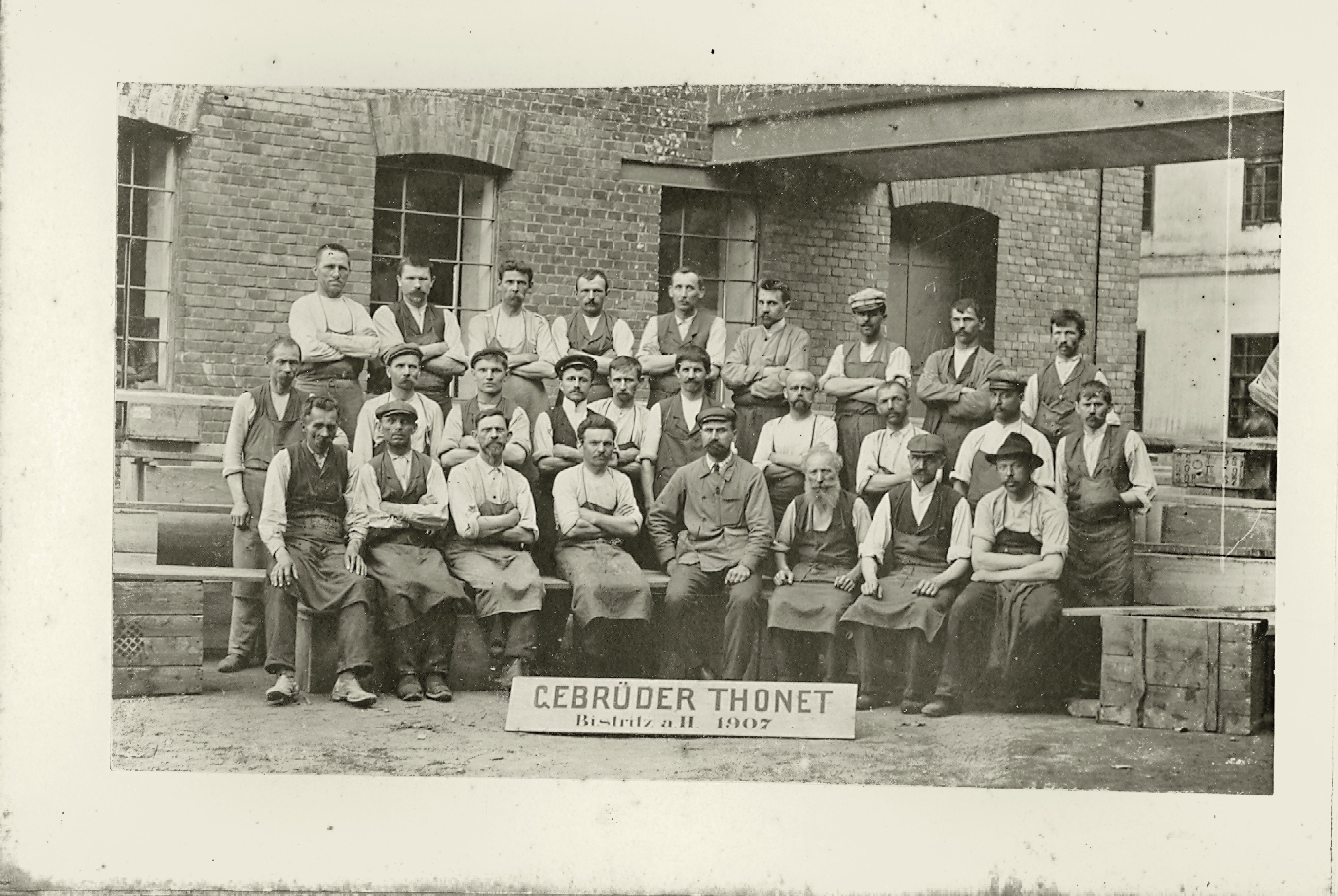
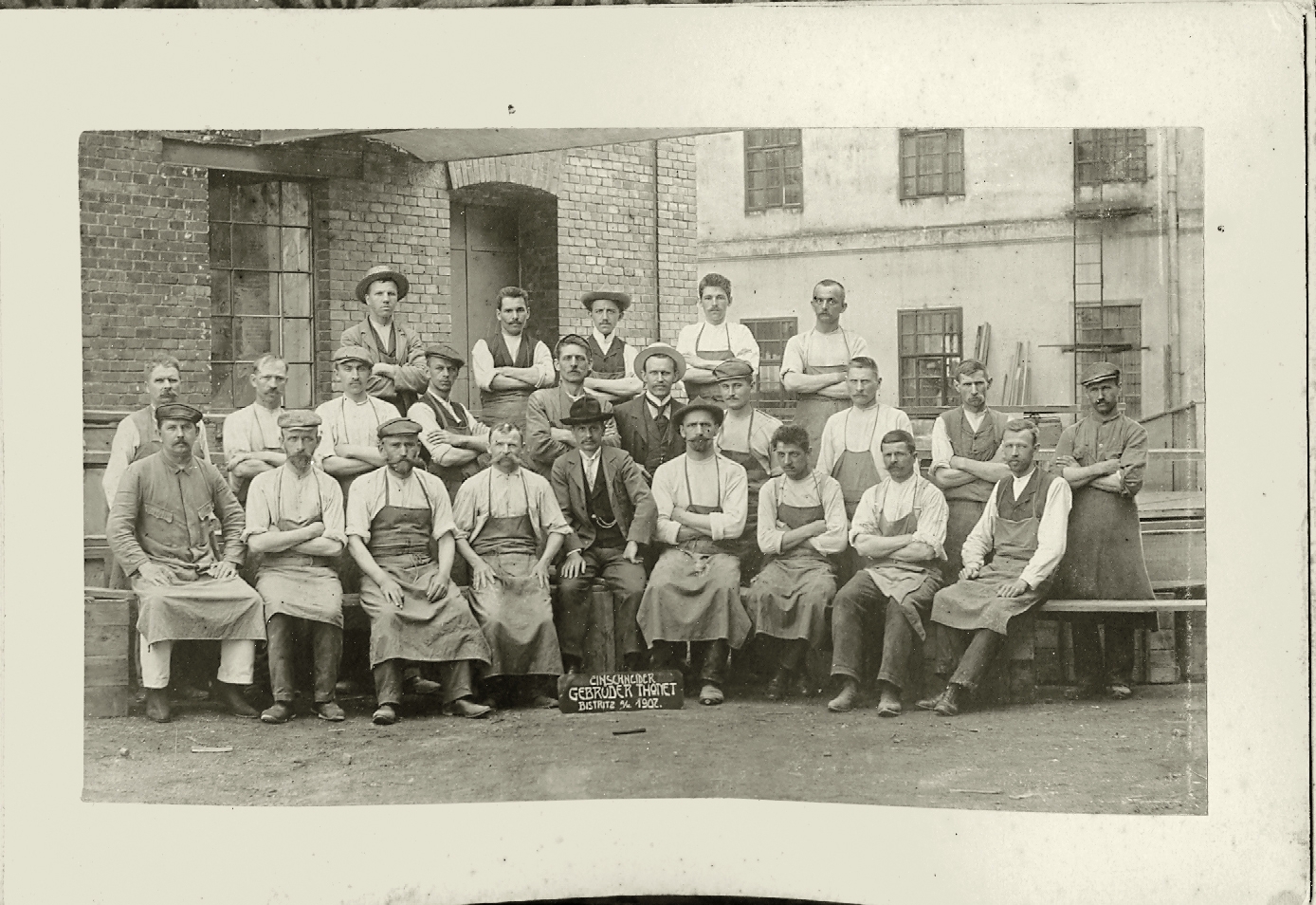
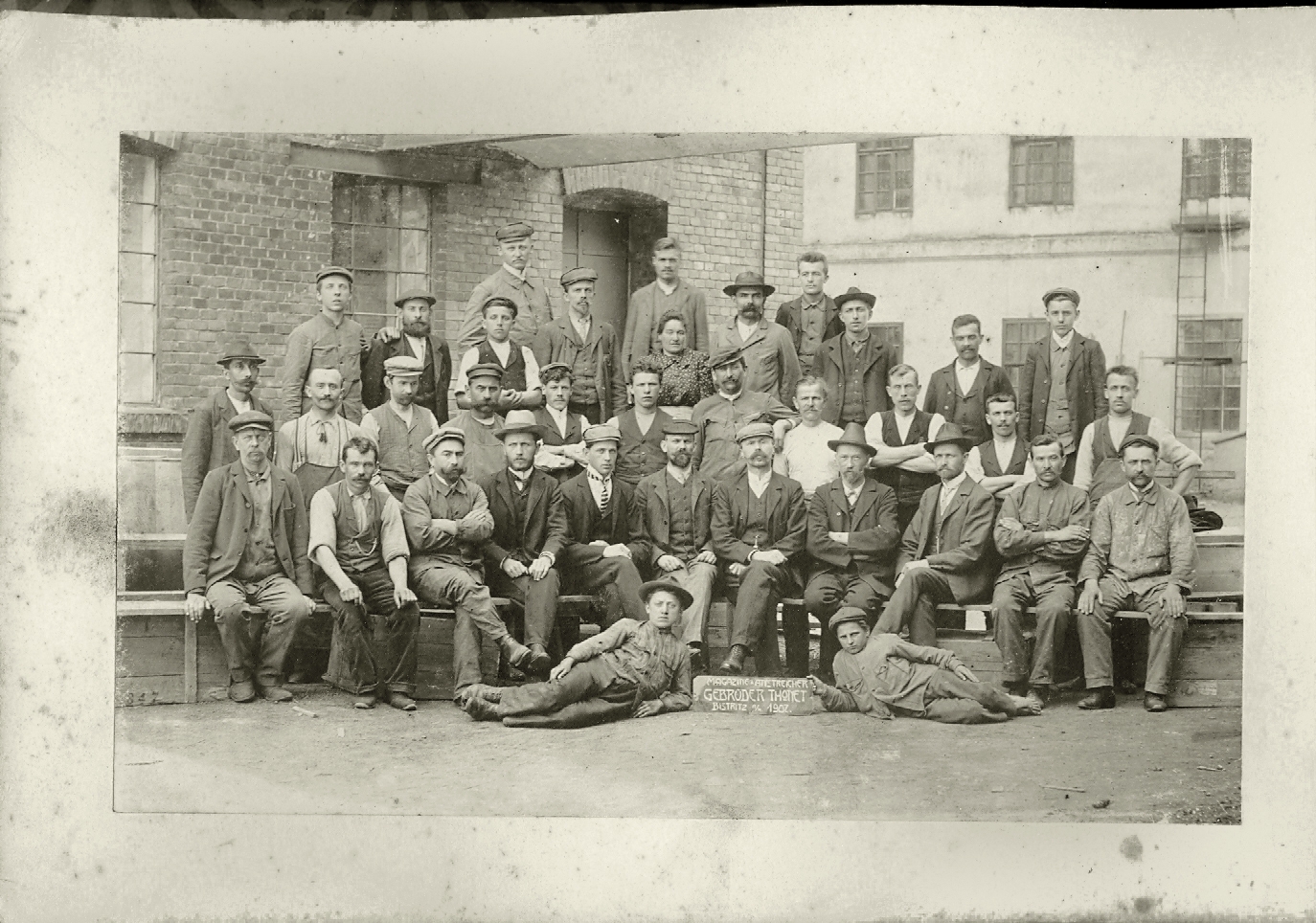
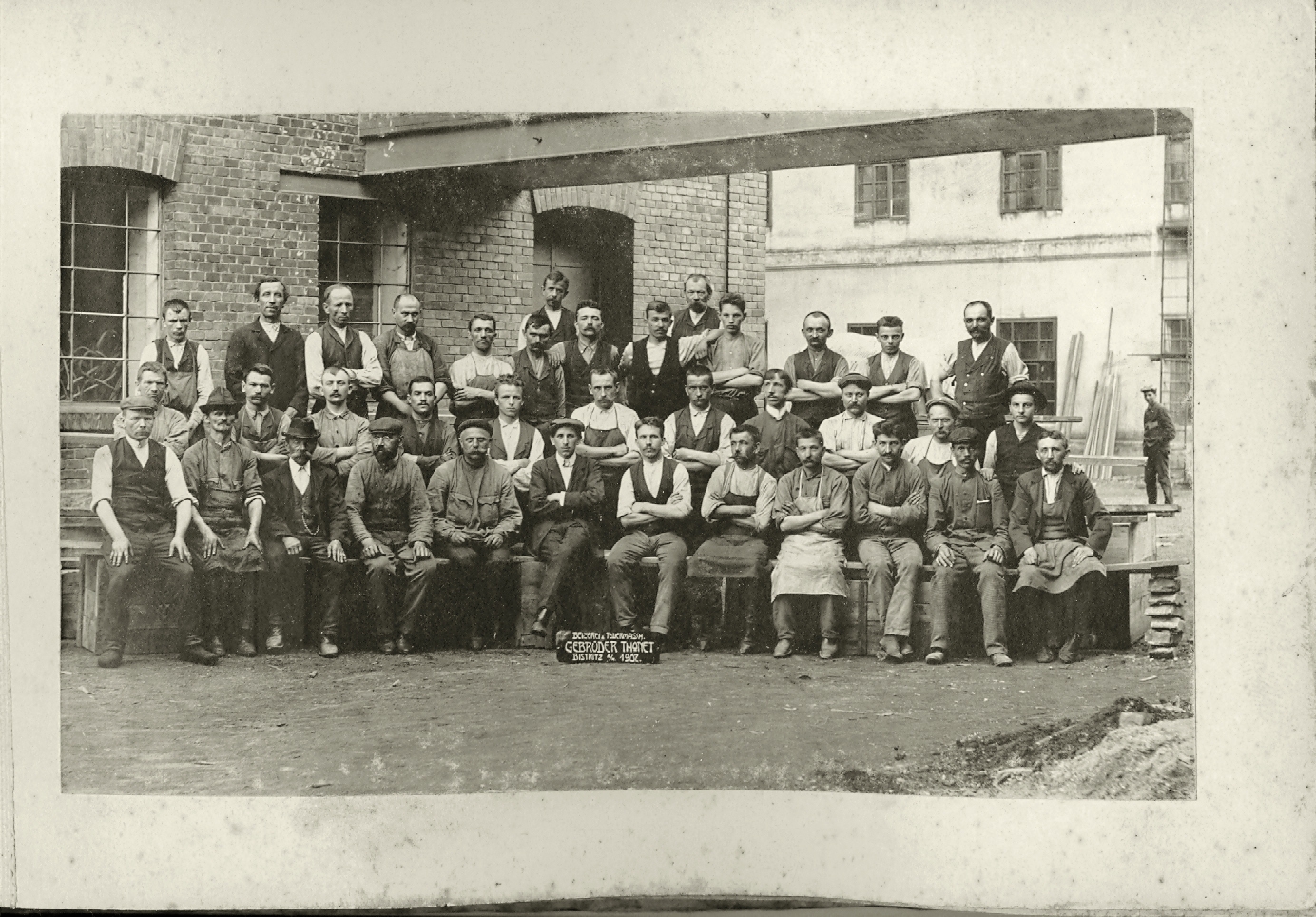
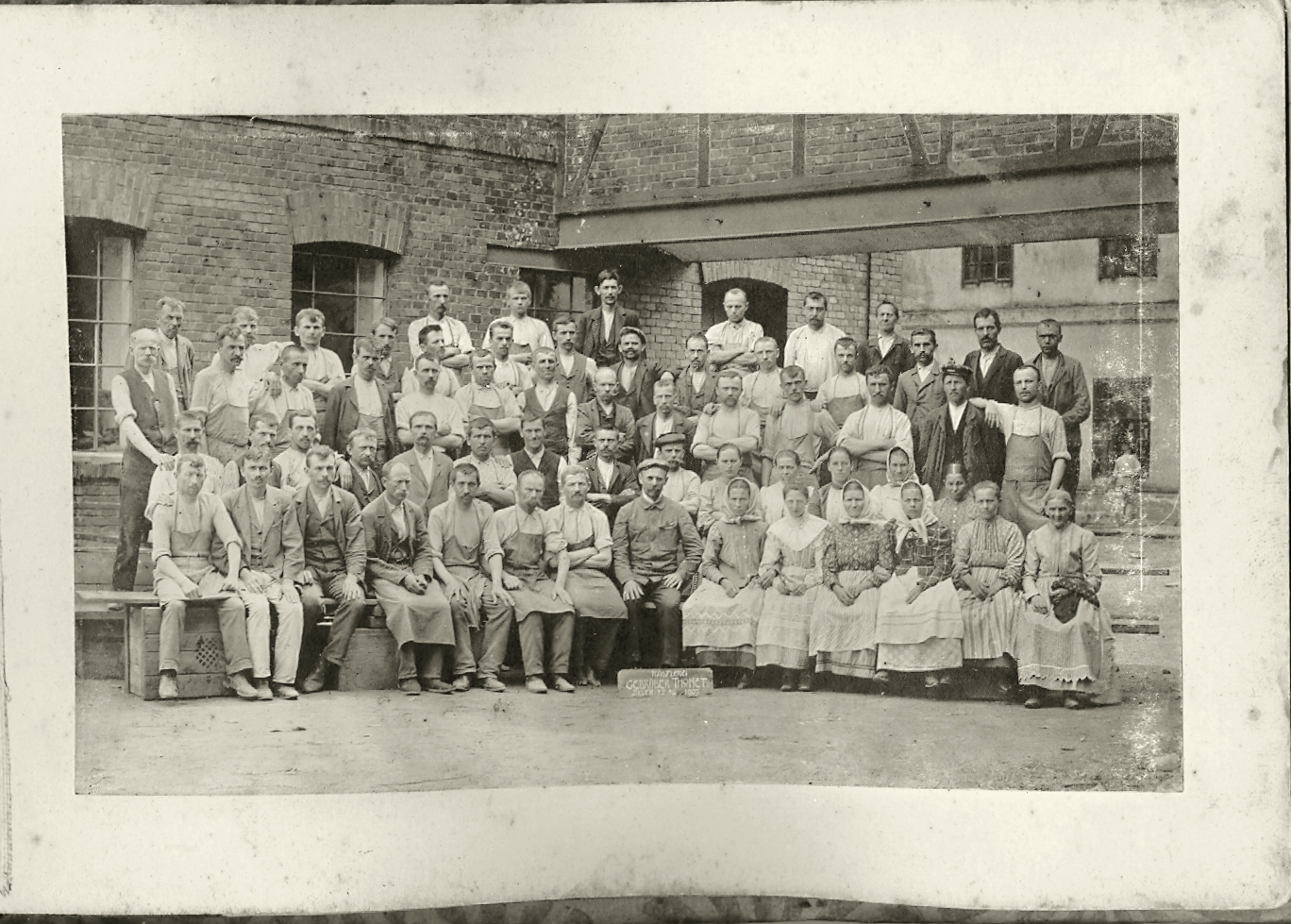
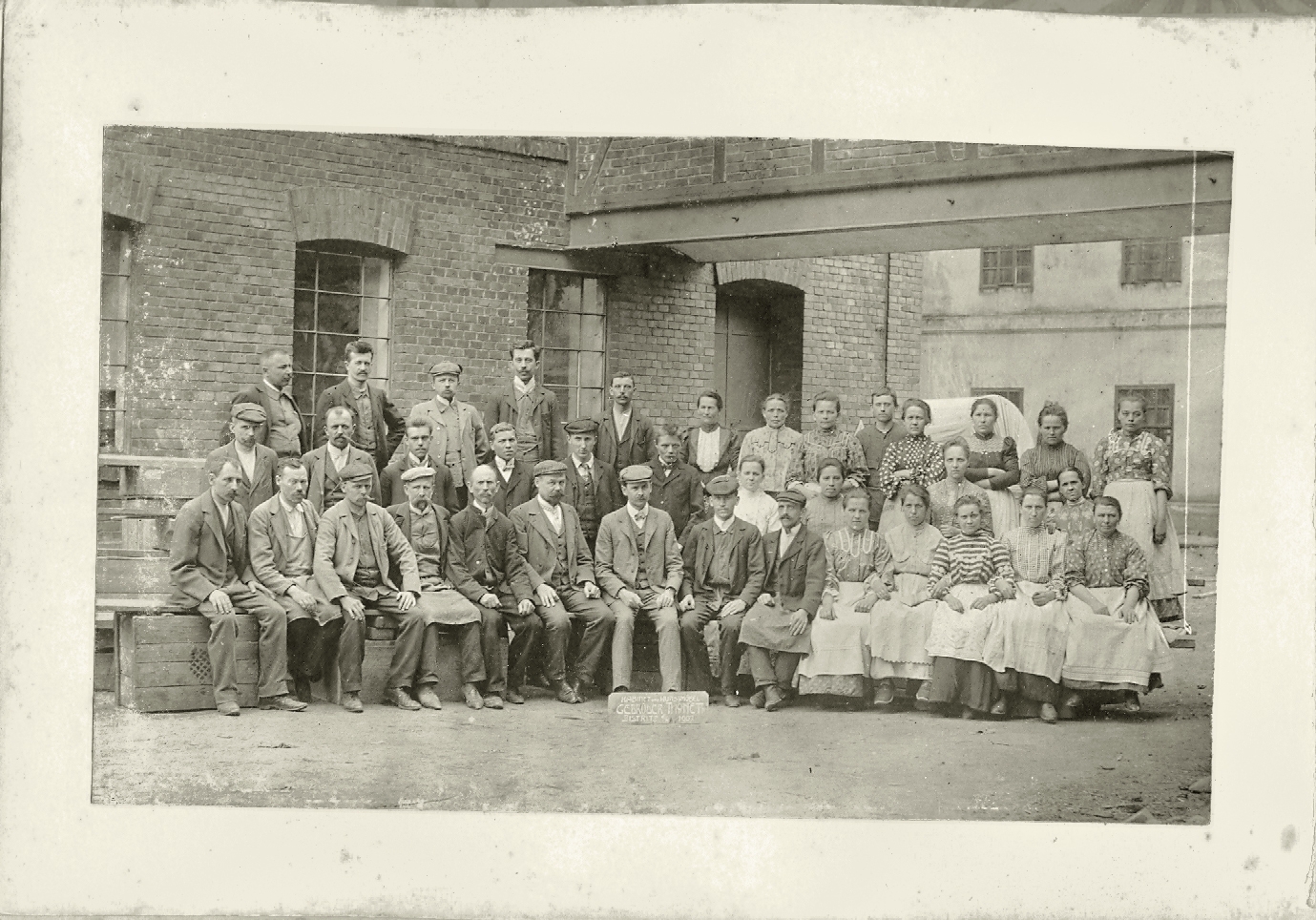
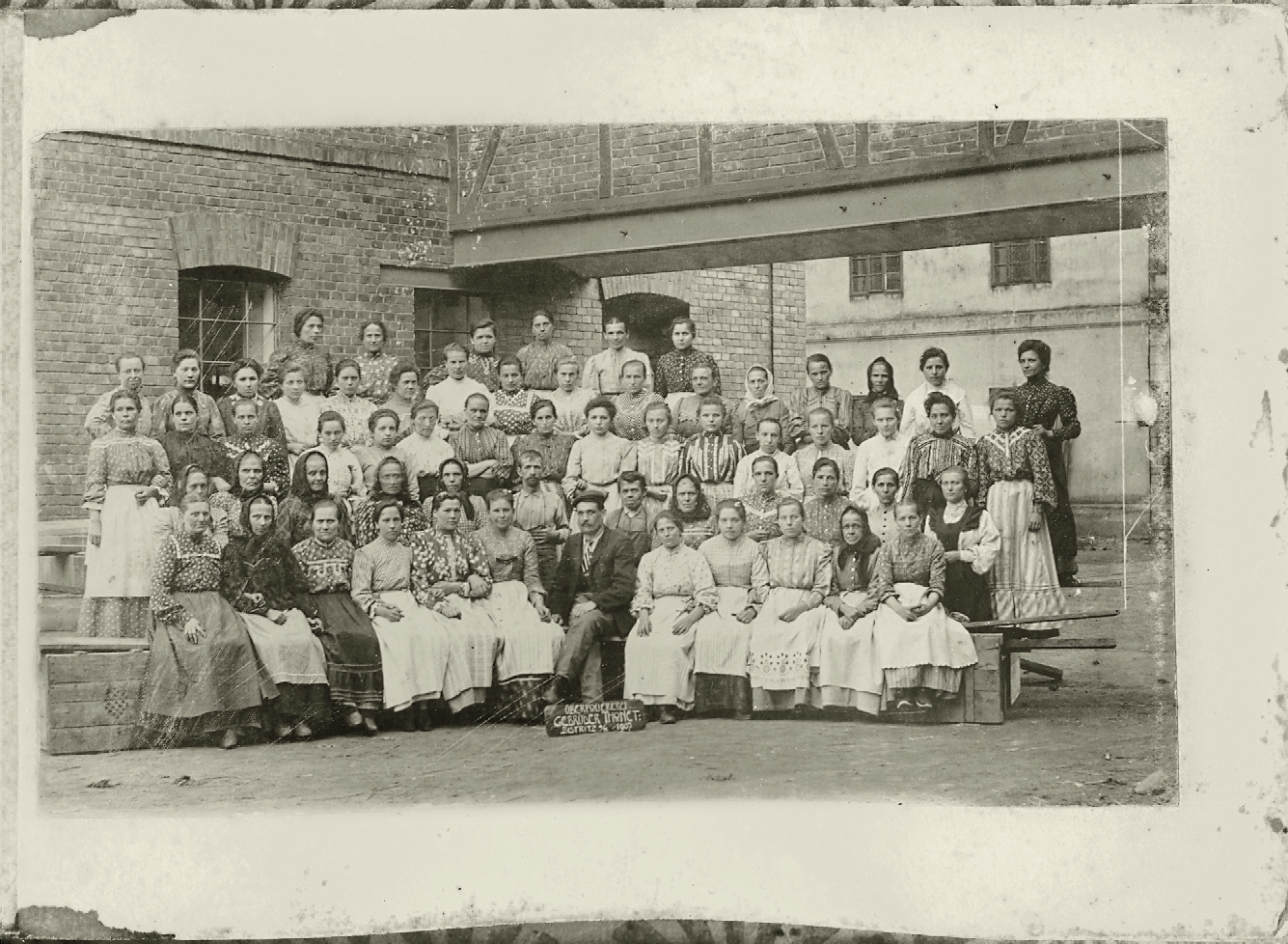
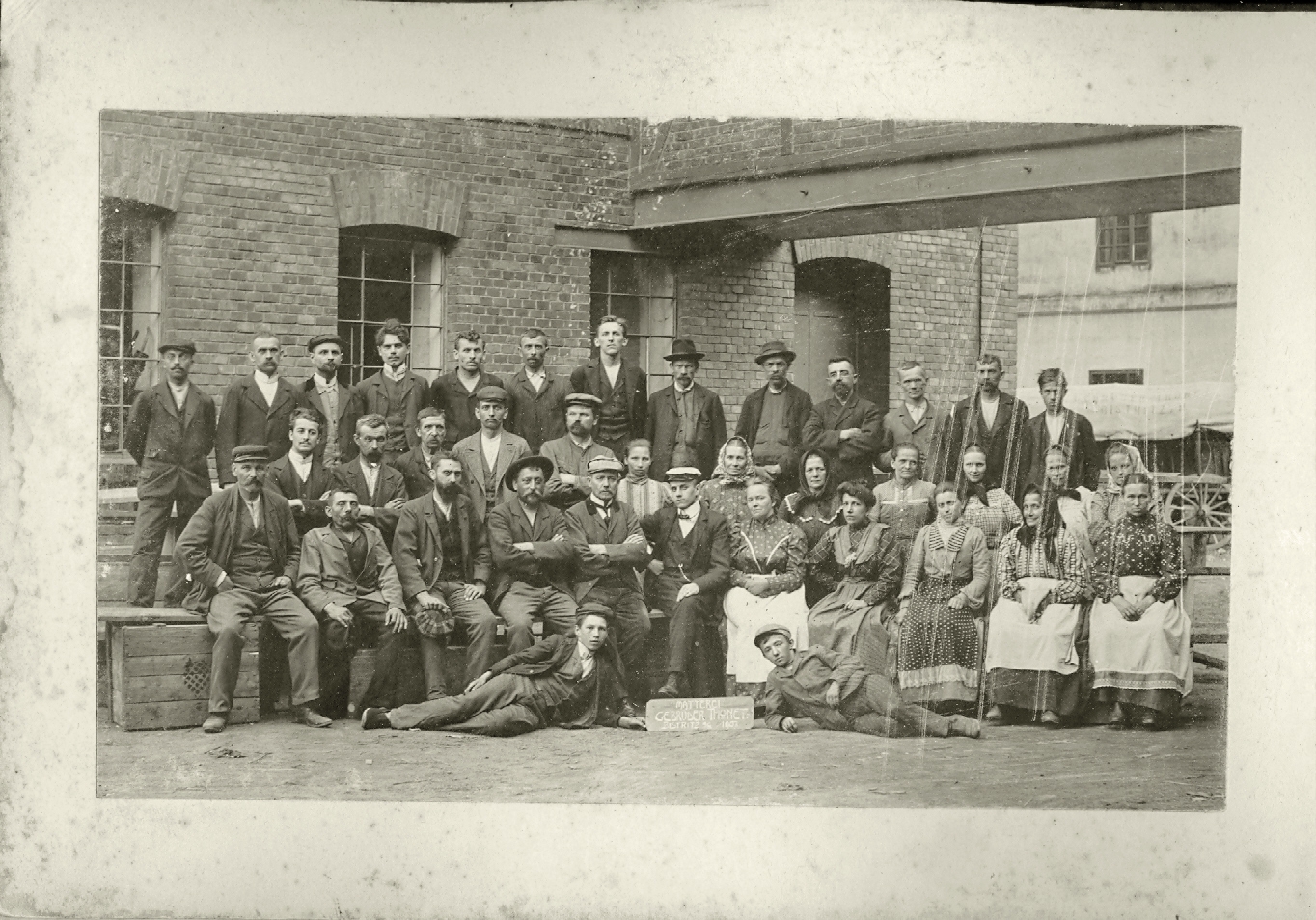
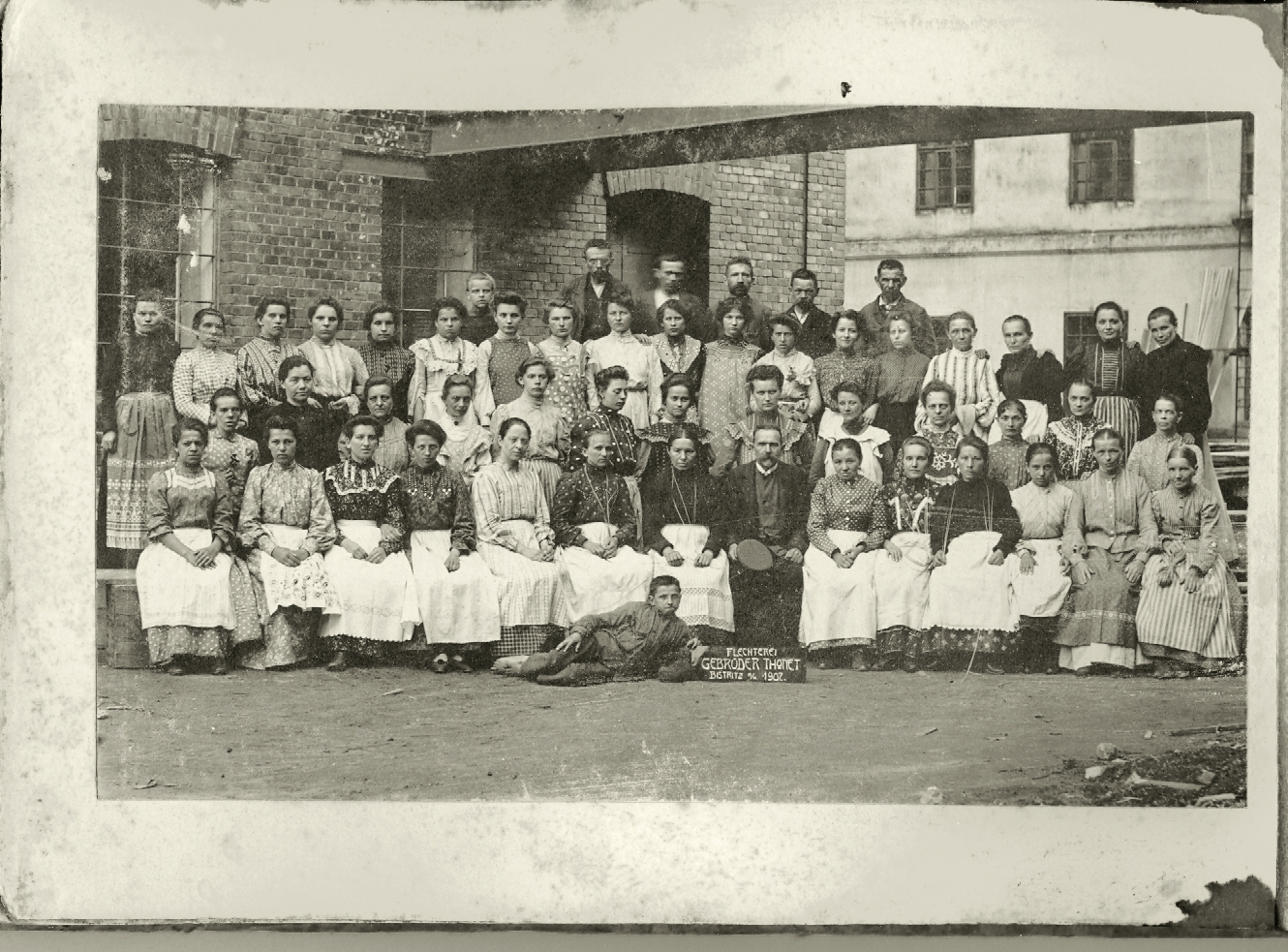
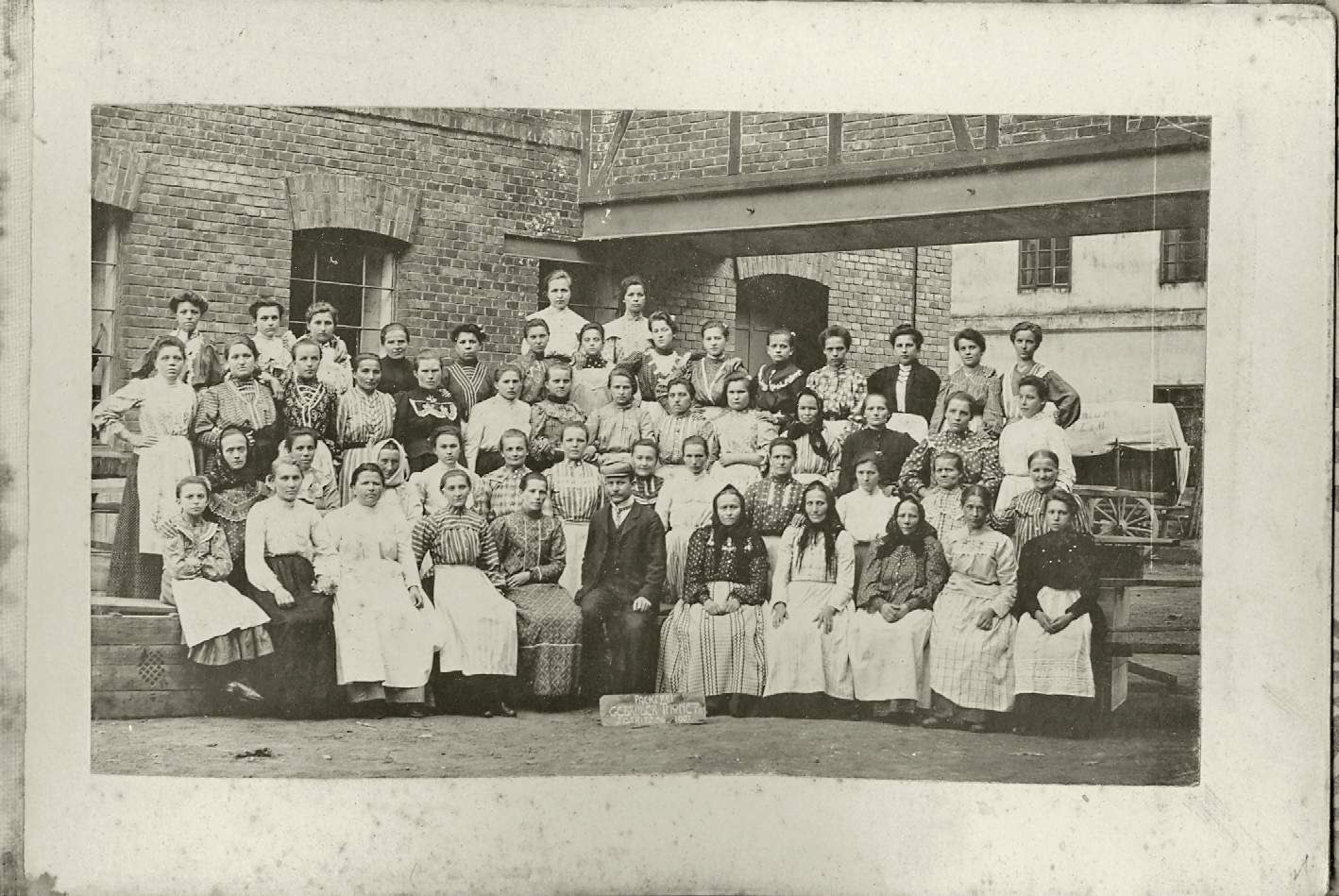
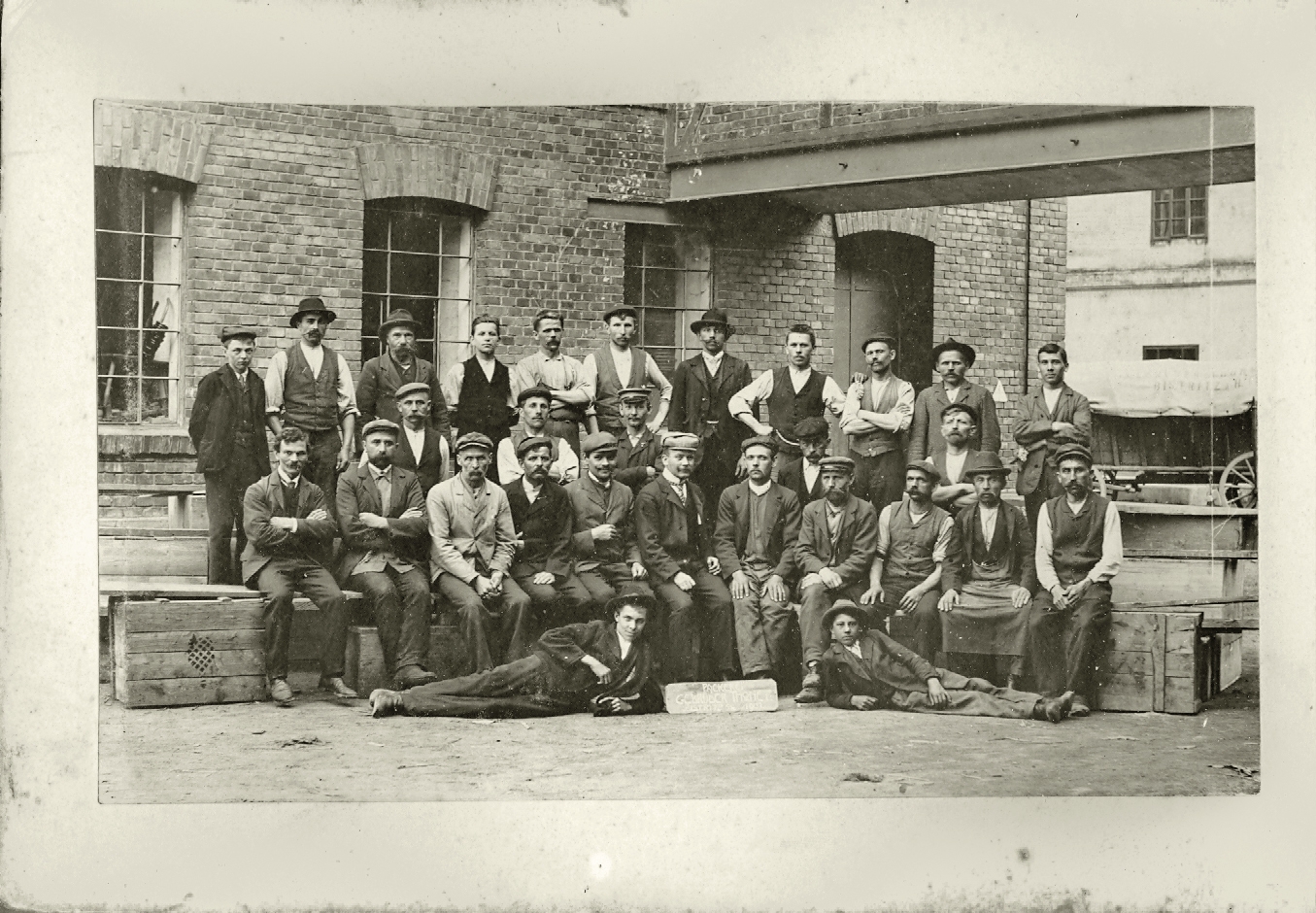
The establishment of the bentwood furniture factory in Bystřice pod Hostýnem heralded Gebrüder Thonet’s golden era. The furniture company slowly transformed into a global brand, one of the first such companies in the world. Thousands of modern chairs were made in Thonet factories in Koryčany, Bystřice pod Hostýnem and Vsetín, and also in Radomsko in today’s Poland and Frankenberg in Germany. Thonet chairs were exported to most corners of the globe and furnished the halls of the world’s best universities, fashion houses, restaurants and upscale beauty parlours. By the end of this period, the factory in Bystřice pod Hostýnem employed approximately 2,000 workers and produced nearly 500,000 chairs per year.
Thonet chairs became synonymous with the concept of modern living and were the
embodiment of economical, understated elegance. Michael Thonet, who lived by
this time based in Moravia, was rightfully proud of his furniture empire. He
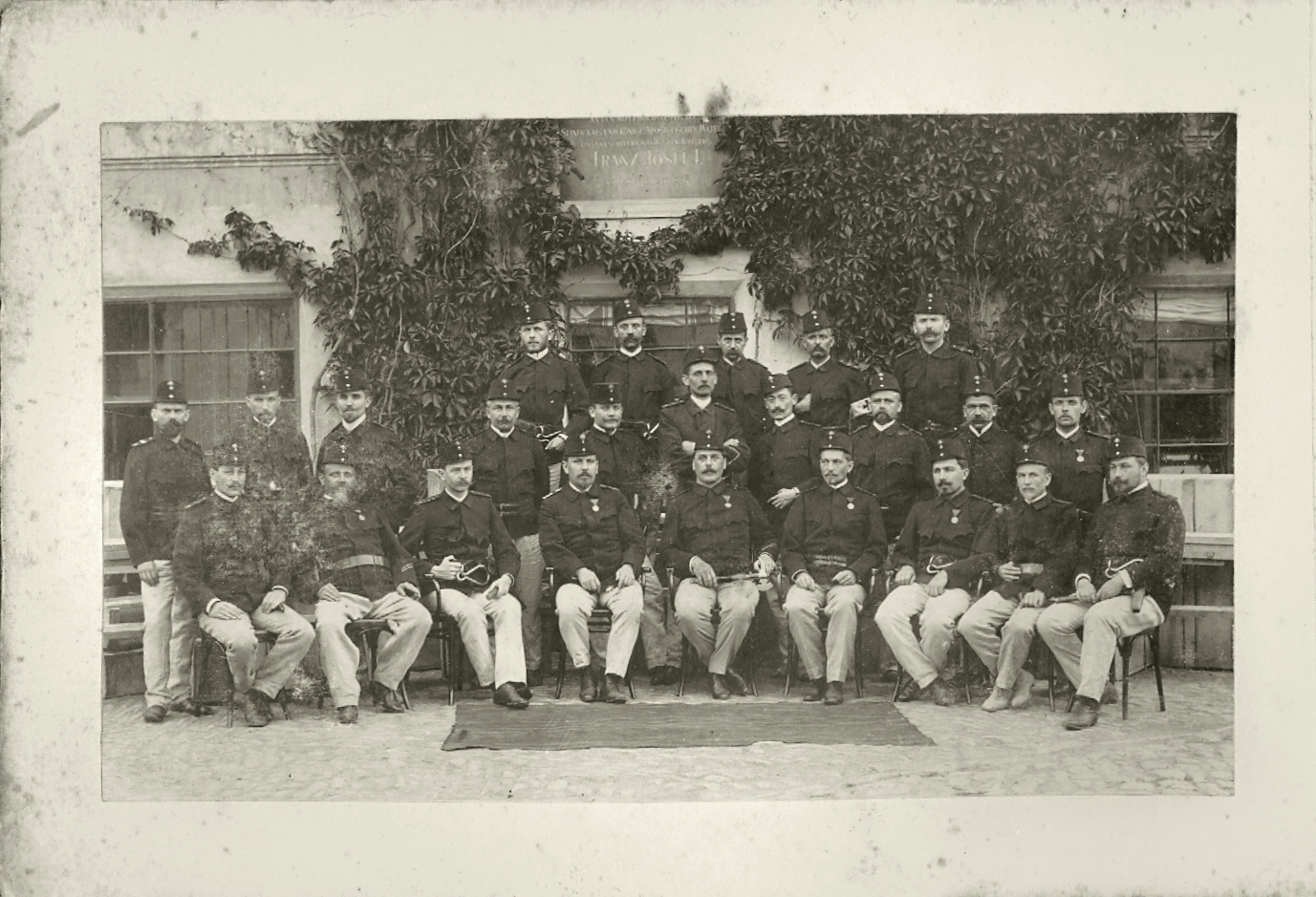
received a number of awards and recognitions, including membership in the Order
of Franz Joseph I.
Michael Thonet died in 1871 and left the company to his five sons: Jakob,
Josef, August, Michael Jr., and Franz. The middle son August was the most active
among the brothers – in addition to his business activities, August engaged
in the political and cultural life of the city and the region. He became the
mayor of Bystřice pod Hostýnem and a member of the Moravian Provincial
Assembly.
In 1861 Michael Thonet founded his second factory in Bystřice pod Hostýnem. At first the factory focussed exclusively on producing chair No.14; later it became the most important manufacturing facility in Thonet’s vast business empire.
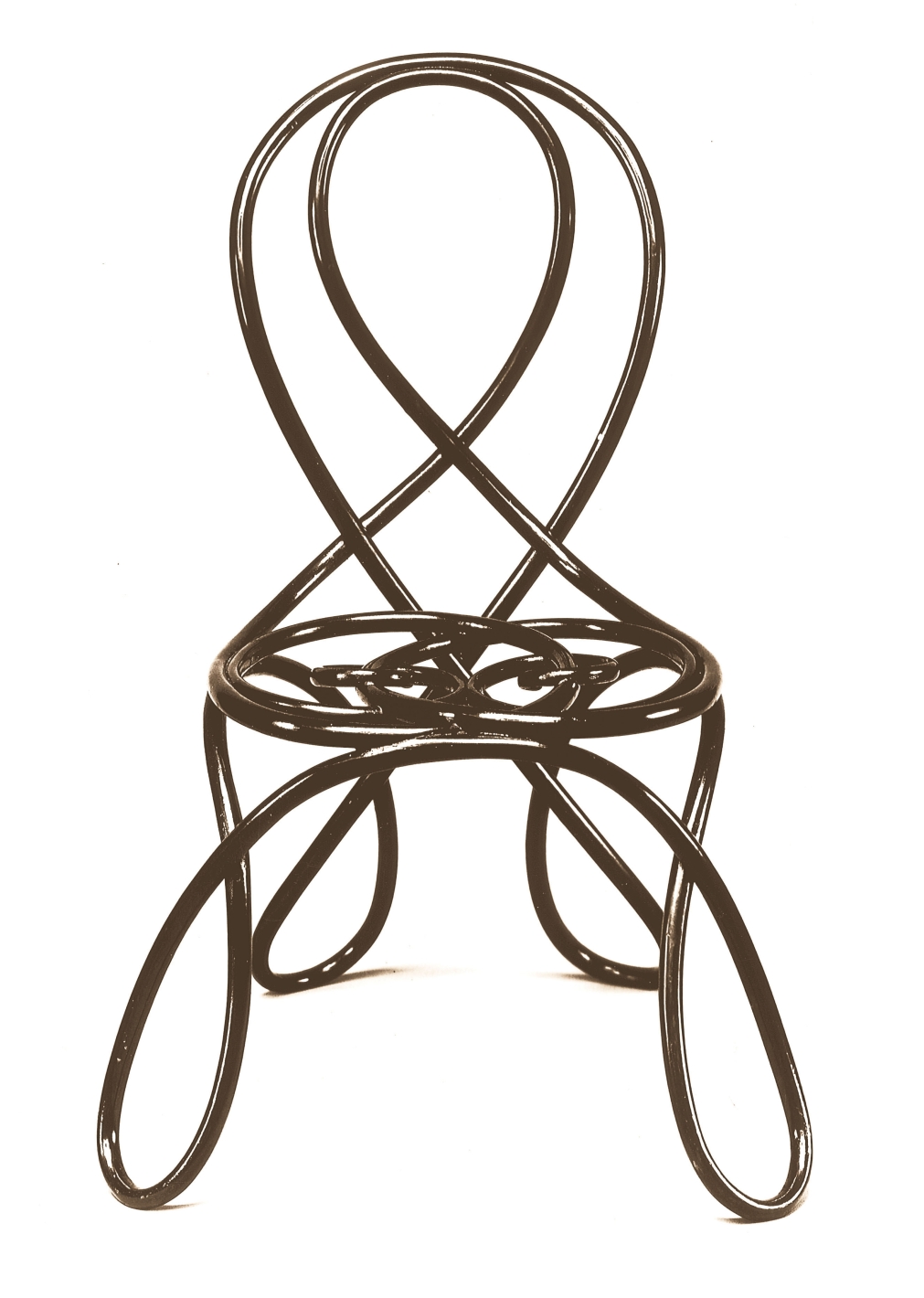
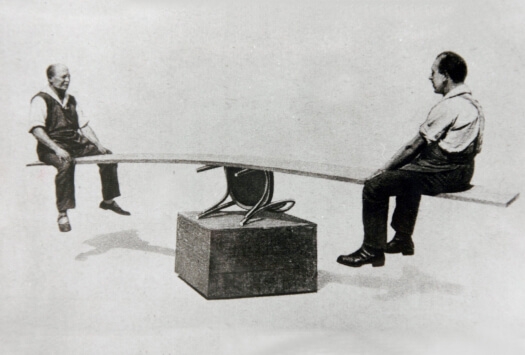
The most famous of these was undoubtedly an experimental chair created for the
1867 World Exposition in Paris. Made from two bent rods, the chair was used by
company representatives to demonstrate Thonet’s technological
possibilities. In the next photo, two workers are testing the strength of one of
Thonet’s chairs by rocking on a plank.
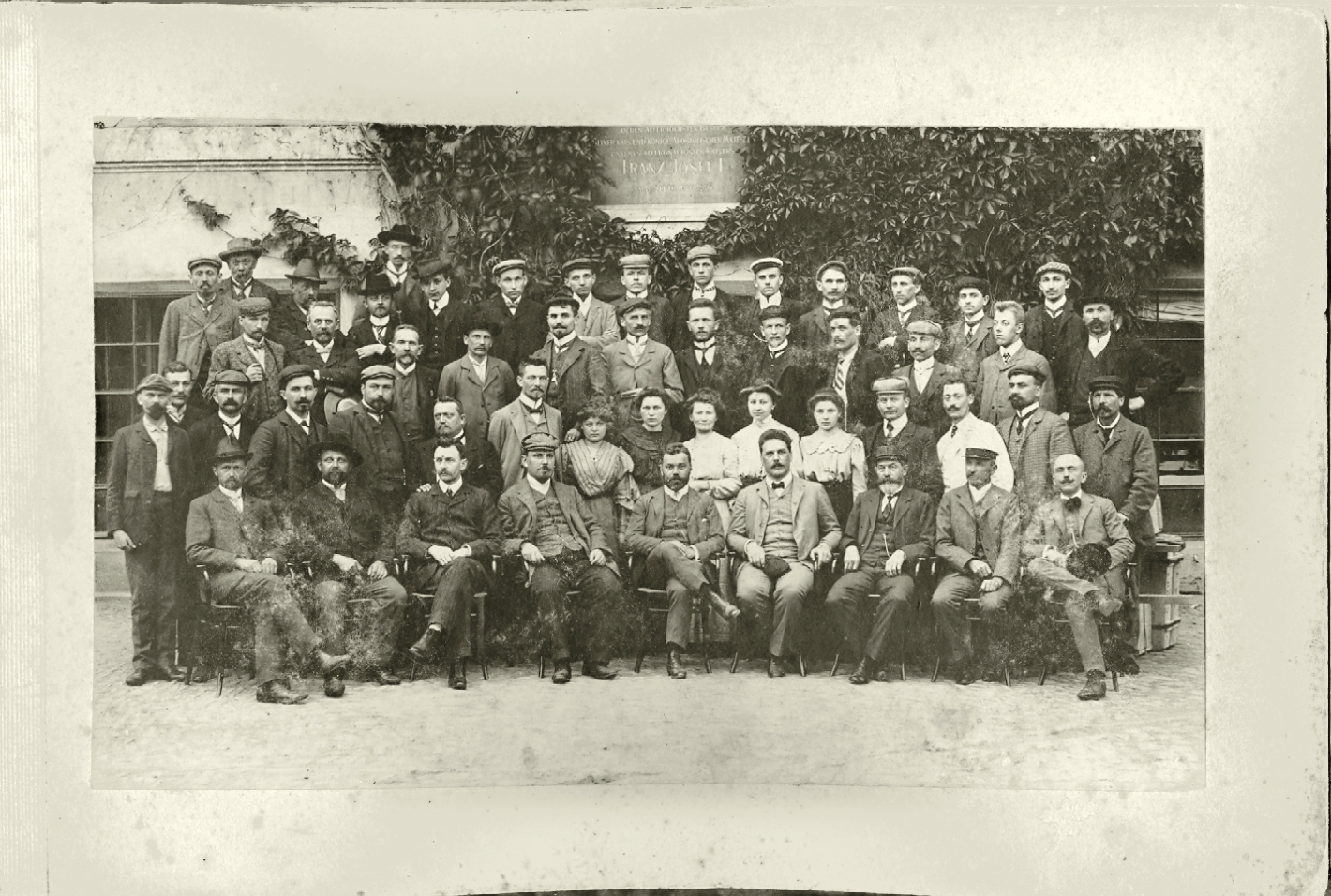
Thonet’s golden era began in 1875, once the company completed its initial dynamic expansion. By 1913 there were just over 2,000 employees at the Bystřice factory – the largest of all production complexes – and nearly 6,800 employees across all company facilities.

Jiří Uhlíř is one of Czechia’s pre-eminent experts on Thonet furniture. Since the 1980s, Jiří has been one of the most active collectors of historical Thonet furniture and has authored key publications on the phenomenon of bentwood furniture.
We met Jiří in his flat in the town of Újezd u Brna and chatted around his dining table while seated on some of his collectibles.