Skip to content Skip to menu Skip to search
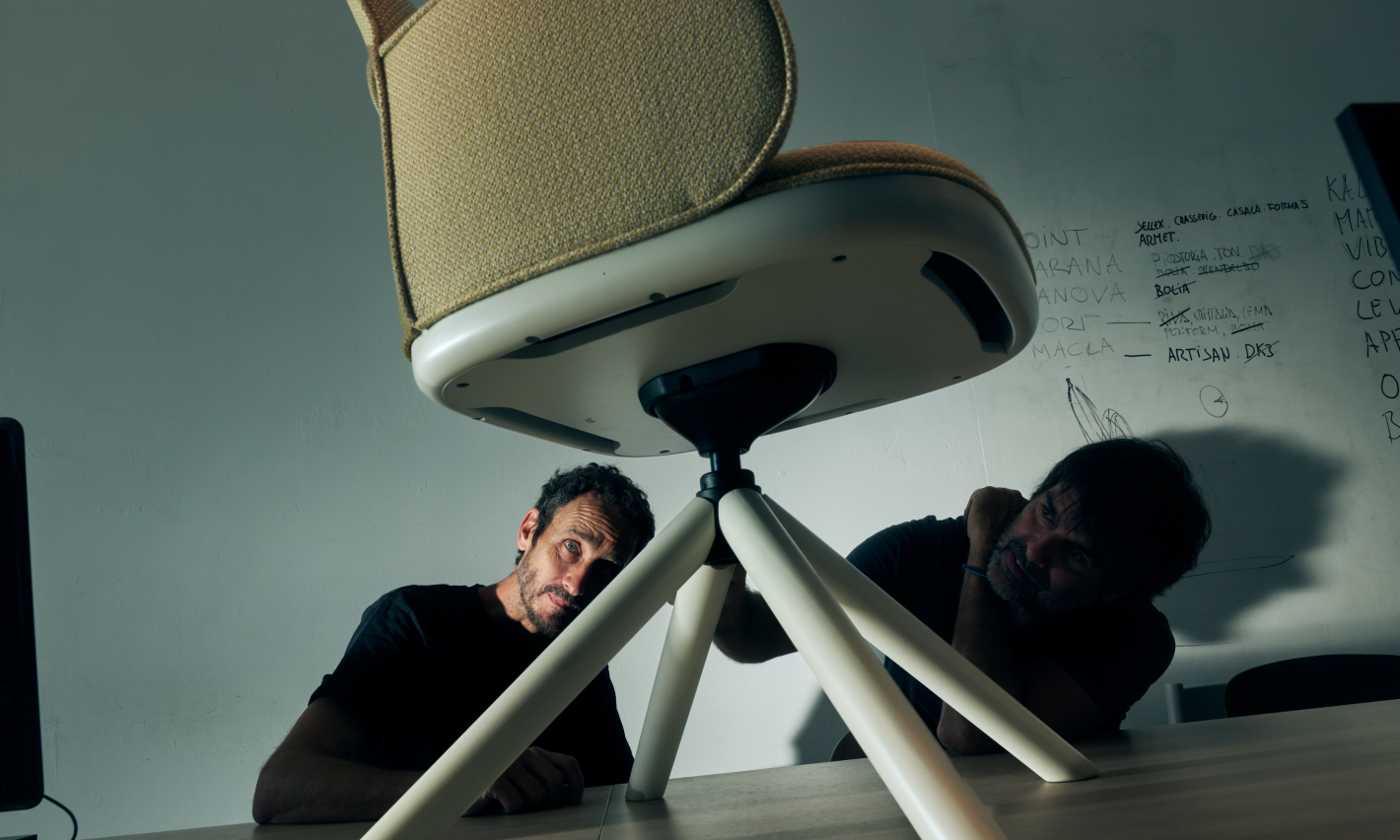
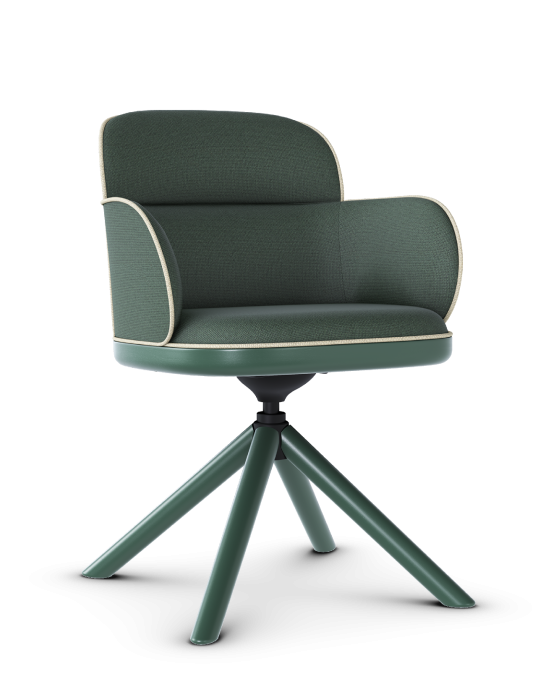
With Suavida, Spanish design studio Ramos & Bassols bring Ton’s heritage of bentwood craftsmanship into a contemporary upholstered armchair. Rather than reproducing traditional forms, the designers looked for a subtler connection to the company’s DNA by translating the characteristic flow of bentwood into soft upholstery, piping and carefully considered curves.
We spoke with Ramos & Bassols about the origins of Suavida, the role of prototypes in their process and how collaboration helped shape the final design.
When Ton approached us, we immediately started thinking about the company’s history and, above all, its bentwood manufacturing process. We wanted the project to reflect that heritage. The first idea was to be clear about who we were designing for and what we wanted to highlight without simply repeating the past.
Bentwood is part of Ton’s DNA, but the company is also a contemporary furniture manufacturer. We wanted the armchair to recall that history while being firmly rooted in the present. Something more avant garde and contemporary, but still connected to what the brand really is.
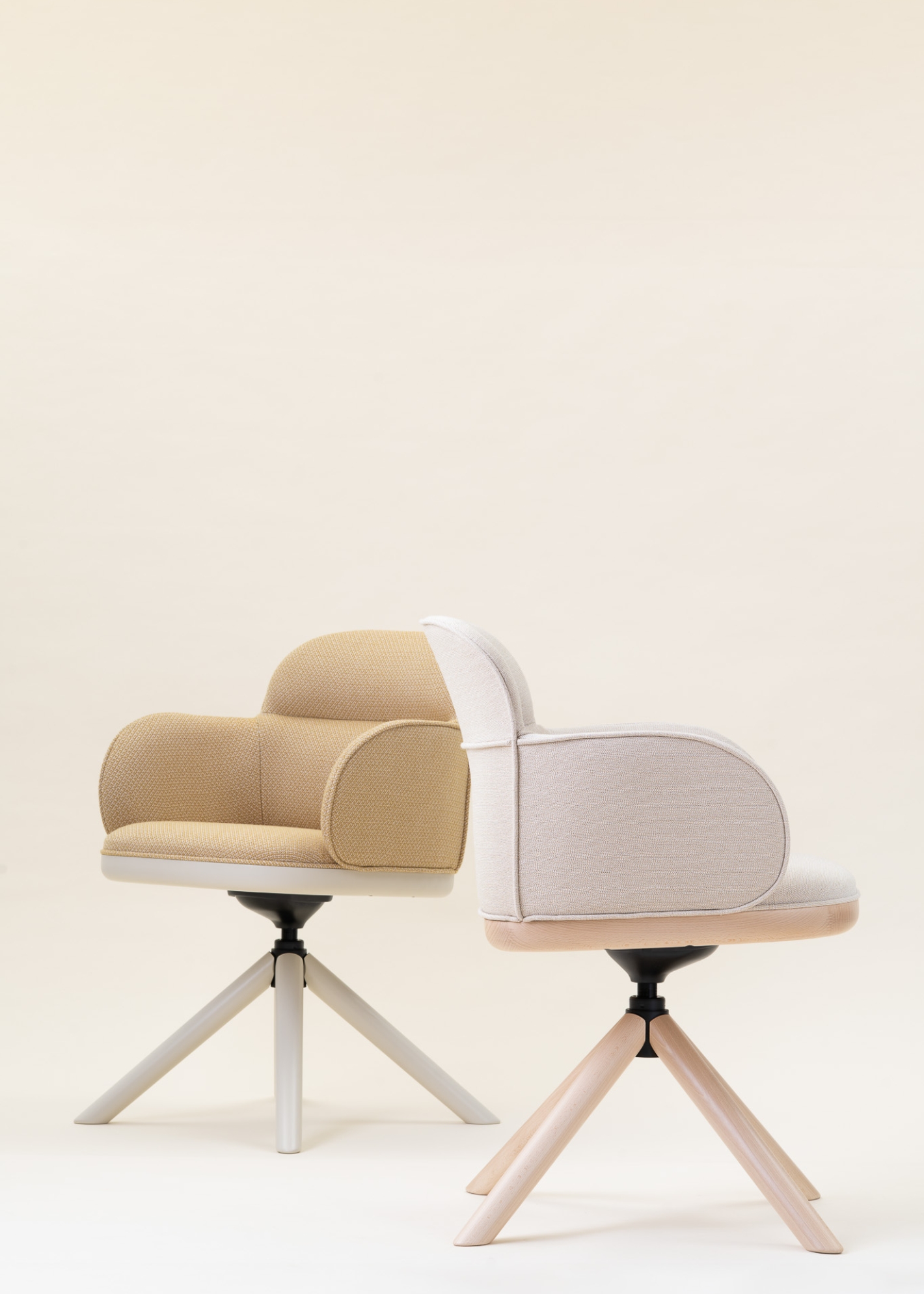
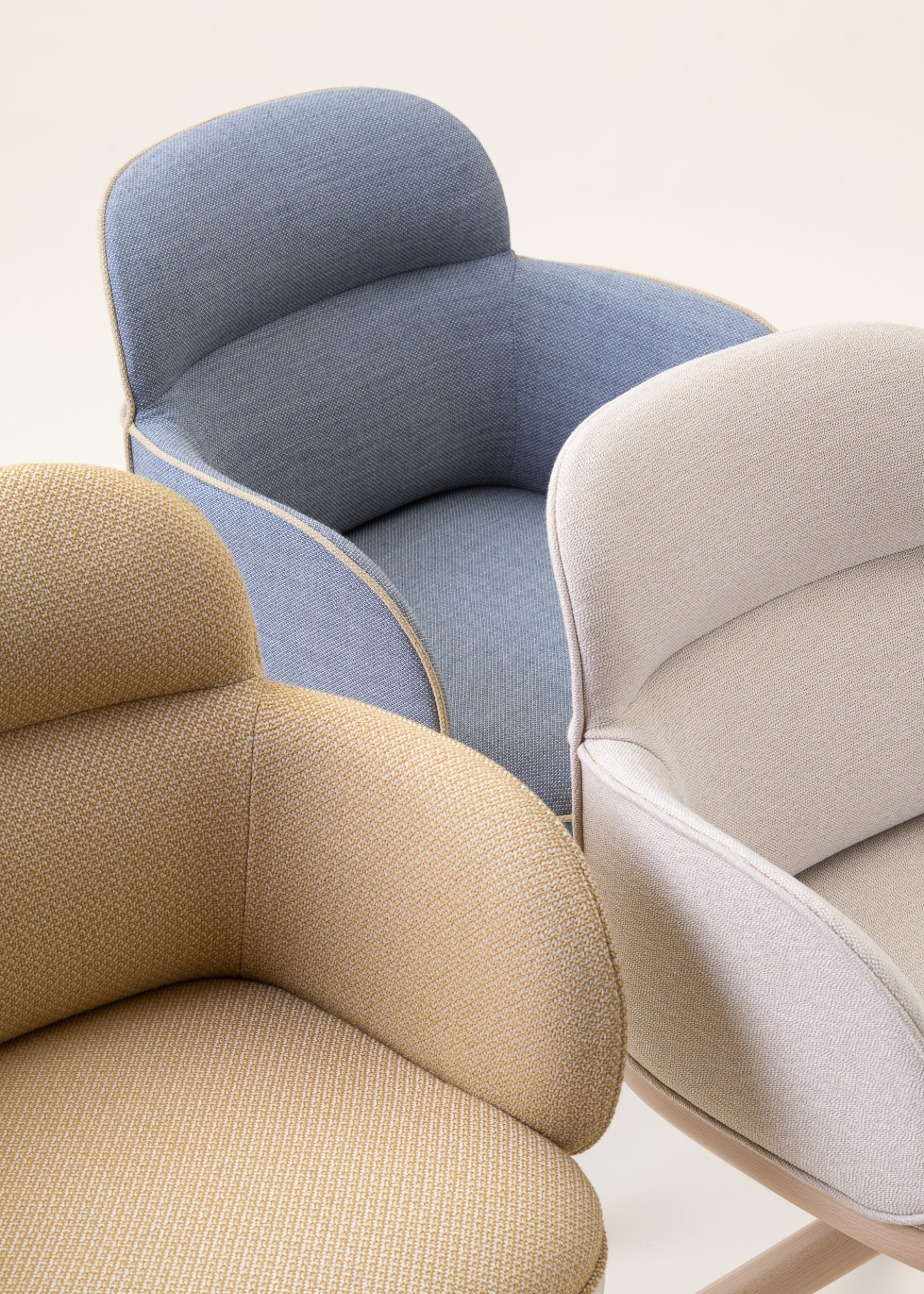
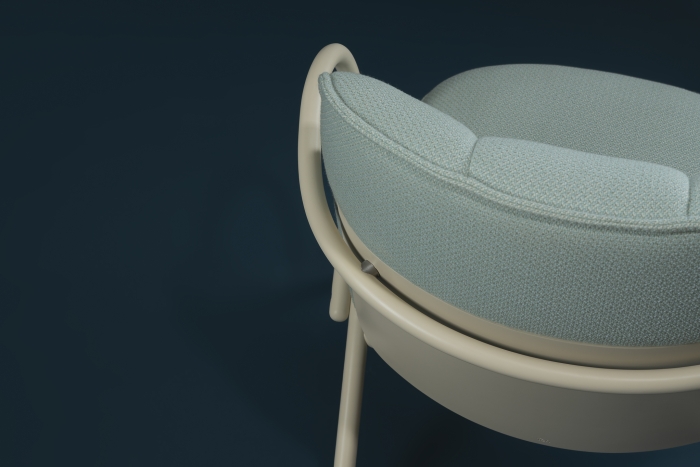
We wanted to give a subtle nod to bentwood, which is such a distinctive and traditional element of Ton. The challenge was to bring that language into the armchair without literally using the bentwood technology.
The brief was for an upholstered low armchair, so the wood itself disappeared. We had to find another way to express its essence. The 811 armchair was an important reference for us, particularly the way its curves create spaces and define the silhouette.
We started thinking about whether those spaces could be filled with upholstery and whether we could create something new from the same idea.
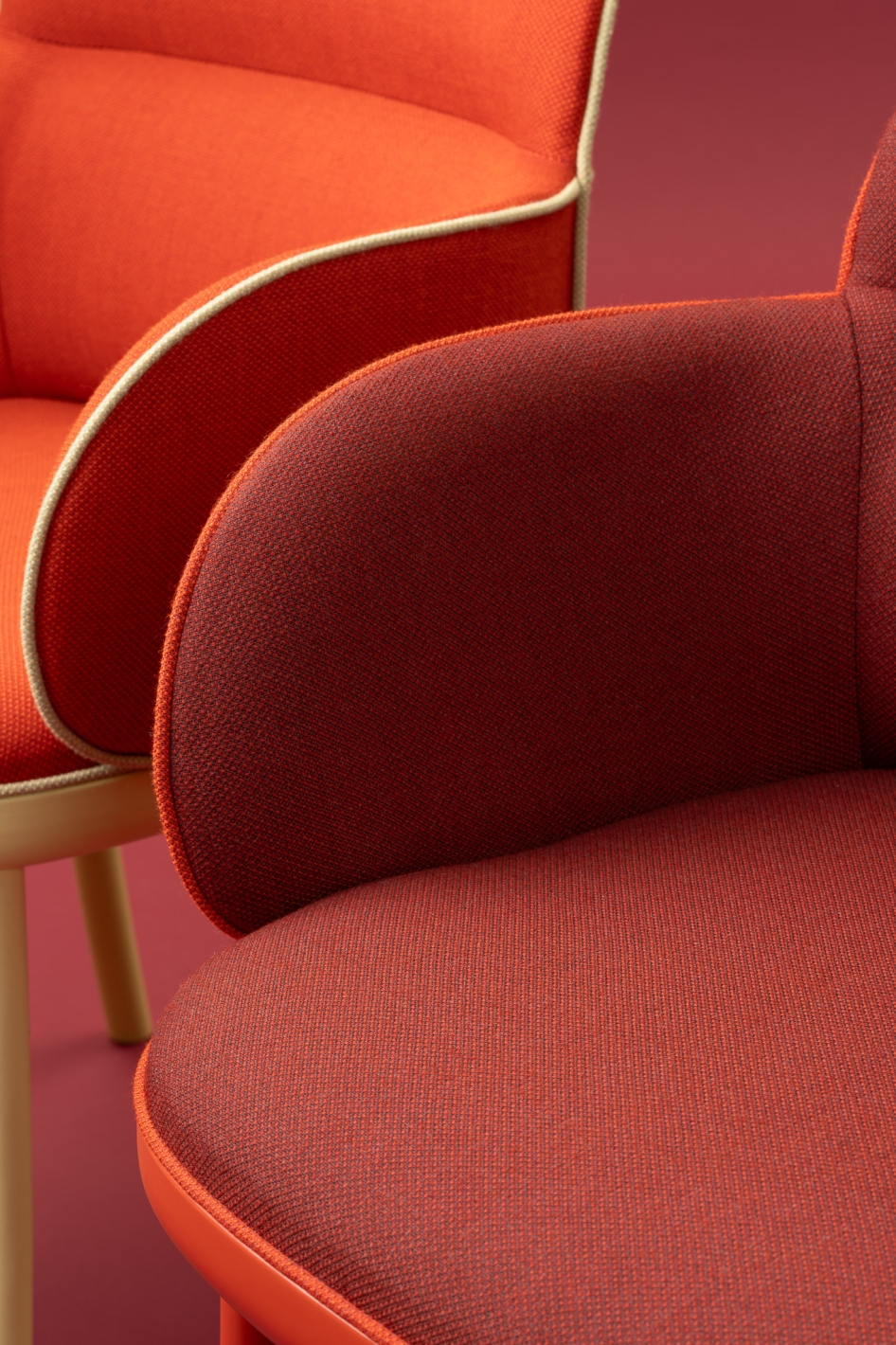
The intersection between the wooden parts of traditional Ton armchairs was particularly interesting to us. Initially, we thought about reproducing that idea through seams, but the seam felt too timid. We wanted the detail to have more presence, so we turned to piping.
It became a way of translating the characteristic lines of bentwood into upholstery. It has more substance and presence, while still being an element that naturally belongs to upholstered furniture.
In a way, the piping became the essence of the armchair. It replaces what would traditionally be the curved wood and evokes those timeless classic designs but integrates them directly into the upholstery.
Very important. The armchair is defined by very curved, soft and gentle forms. There are no hard edges, sharp lines or rough corners. Even before sitting in it, the shape itself communicates a certain sense of comfort.
We wanted it to be comfortable, but in a subtle way. The different elements meet at the top with a certain elegance and sinuousness rather than making comfort overly obvious. The name Suavida suited this idea very naturally.
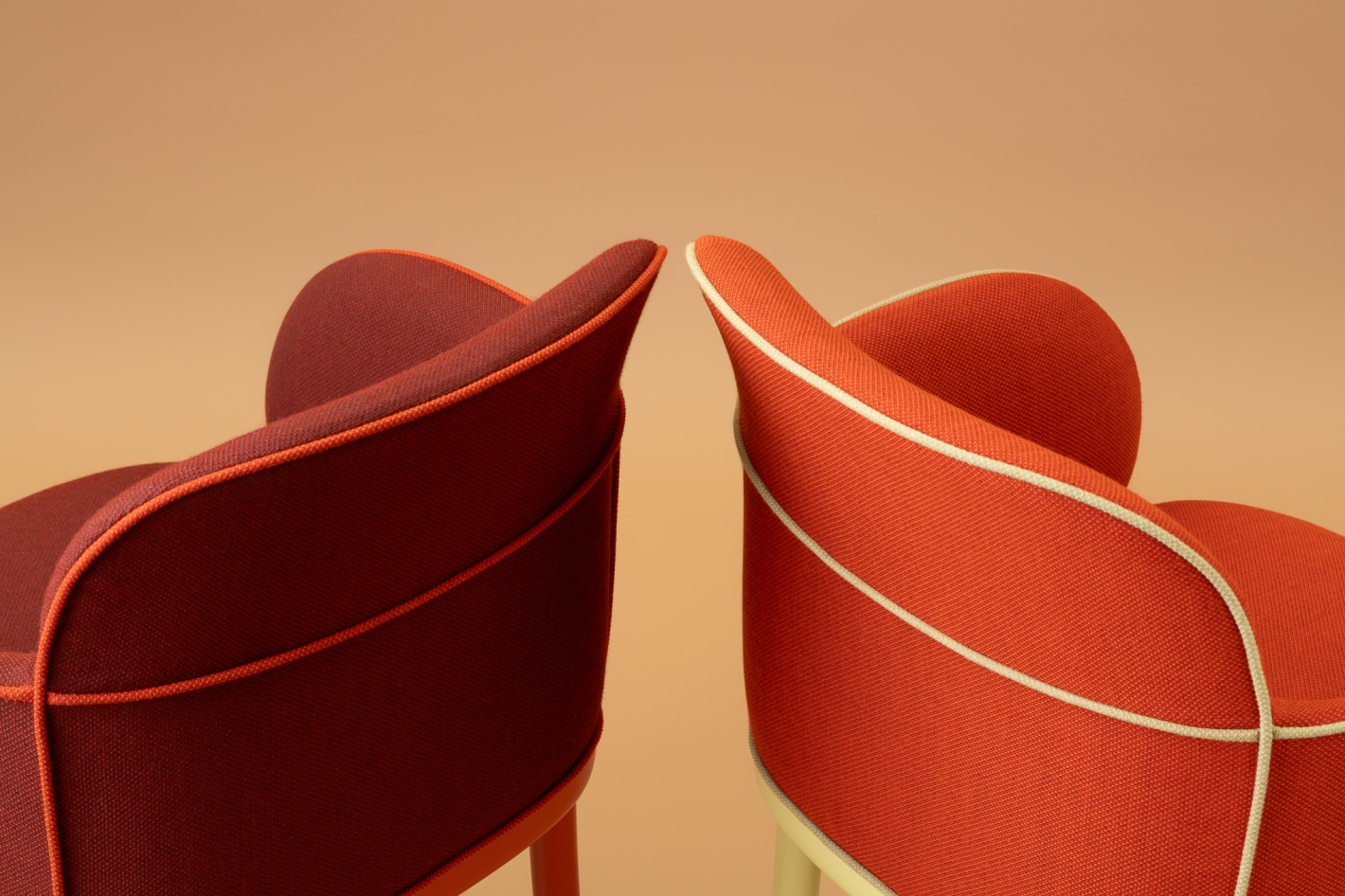
„The piping becomes a new way of expressing the character of bentwood through
upholstery.“
Ramos & Bassols
It changed quite a bit, especially in its proportions. The first version was conceived as a generously proportioned armchair. Over time, we developed a more compact silhouette and experimented with different structural elements, which gave the final armchair a very different personality from the original concept.
But the central idea remained consistent throughout the process.
There were many changes in seat depth, backrest angle and height, armrest height and overall width. From a distance, the first prototype and the final armchair might look quite similar, but technically there were many differences.
The piping was probably the most challenging part. Getting it to follow the shape of the armchair exactly as we had imagined was not easy. This is where Ton’s manufacturing expertise became particularly important.
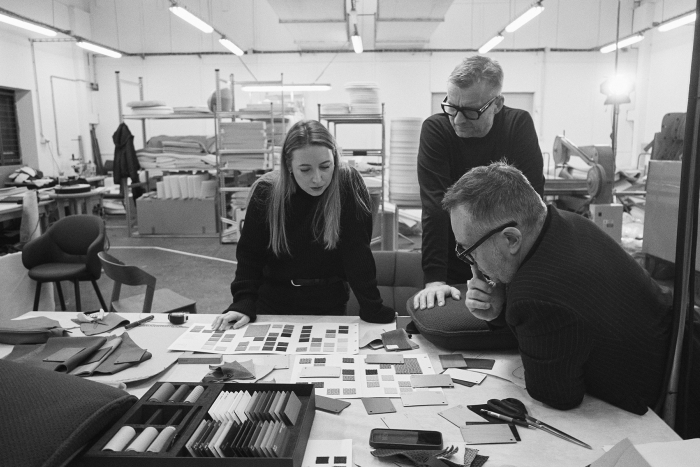
Very important. We try to move away from the computer whenever possible because digital images can distance you from the real proportions of a product. We worked extensively with scale models during the development of Suavida. But when possible, we prefer to work with full scale mock ups. If a mock up convinces you, the rendering can then confirm that the concept works. The opposite is not necessarily true.
A rendering can look perfect, but that does not mean the physical prototype will work. For us, the product itself must come first. The rendering is a way of verifying the direction, while the prototype allows us to understand proportions, materials and details.
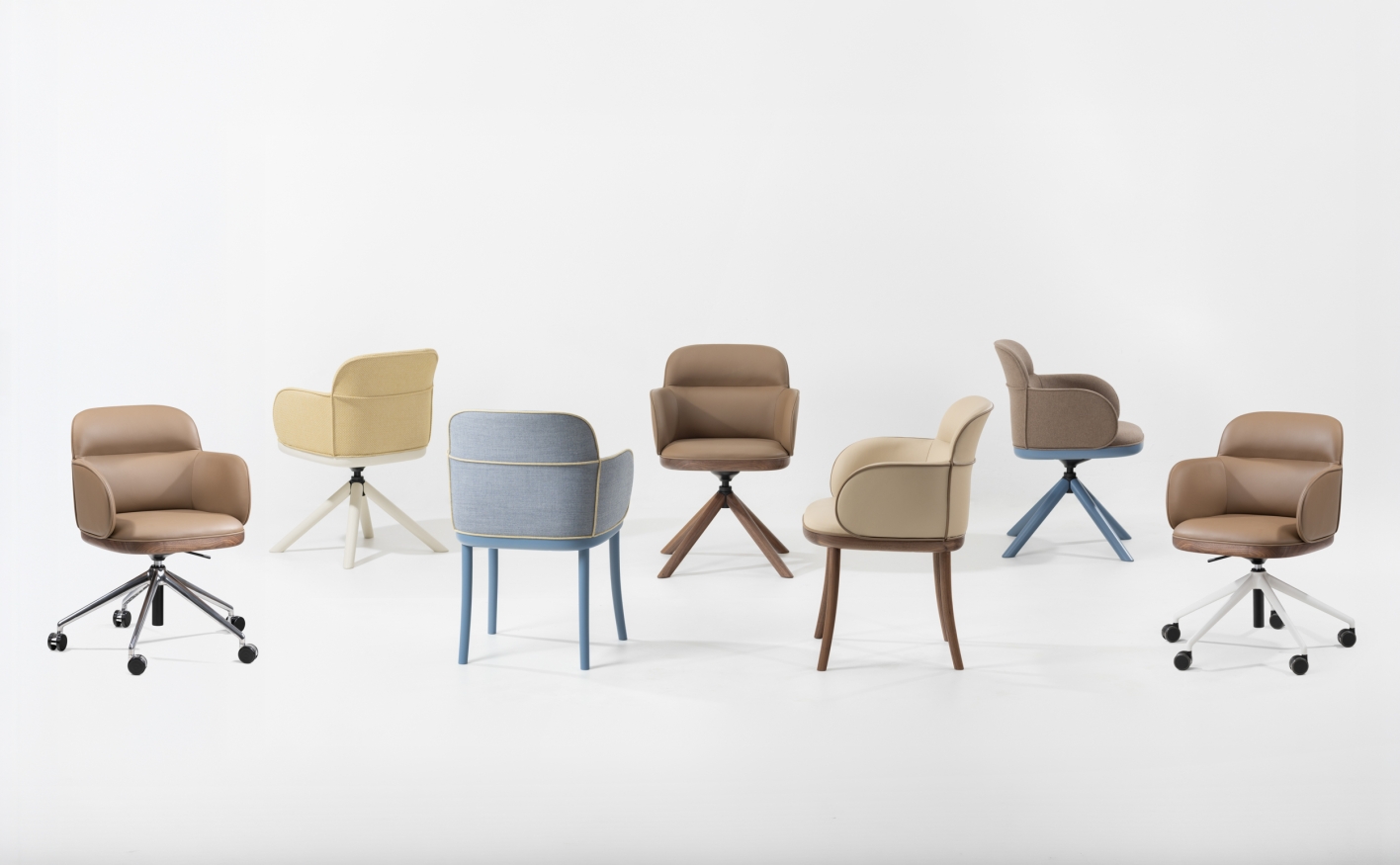
From the beginning, we did not want to create an armchair that was closed in on itself. We designed the shell so that different types of bases could be incorporated depending on the environment.
Once the seat, backrest and armrests were solved, we could develop the armchair in several versions. The market also calls for this kind of flexibility, because the armchair can naturally work in different settings.
The different bases change its character quite significantly. The wooden four-legged version feels more connected to residential and hospitality environments, while the central base gives it a much more contemporary character.
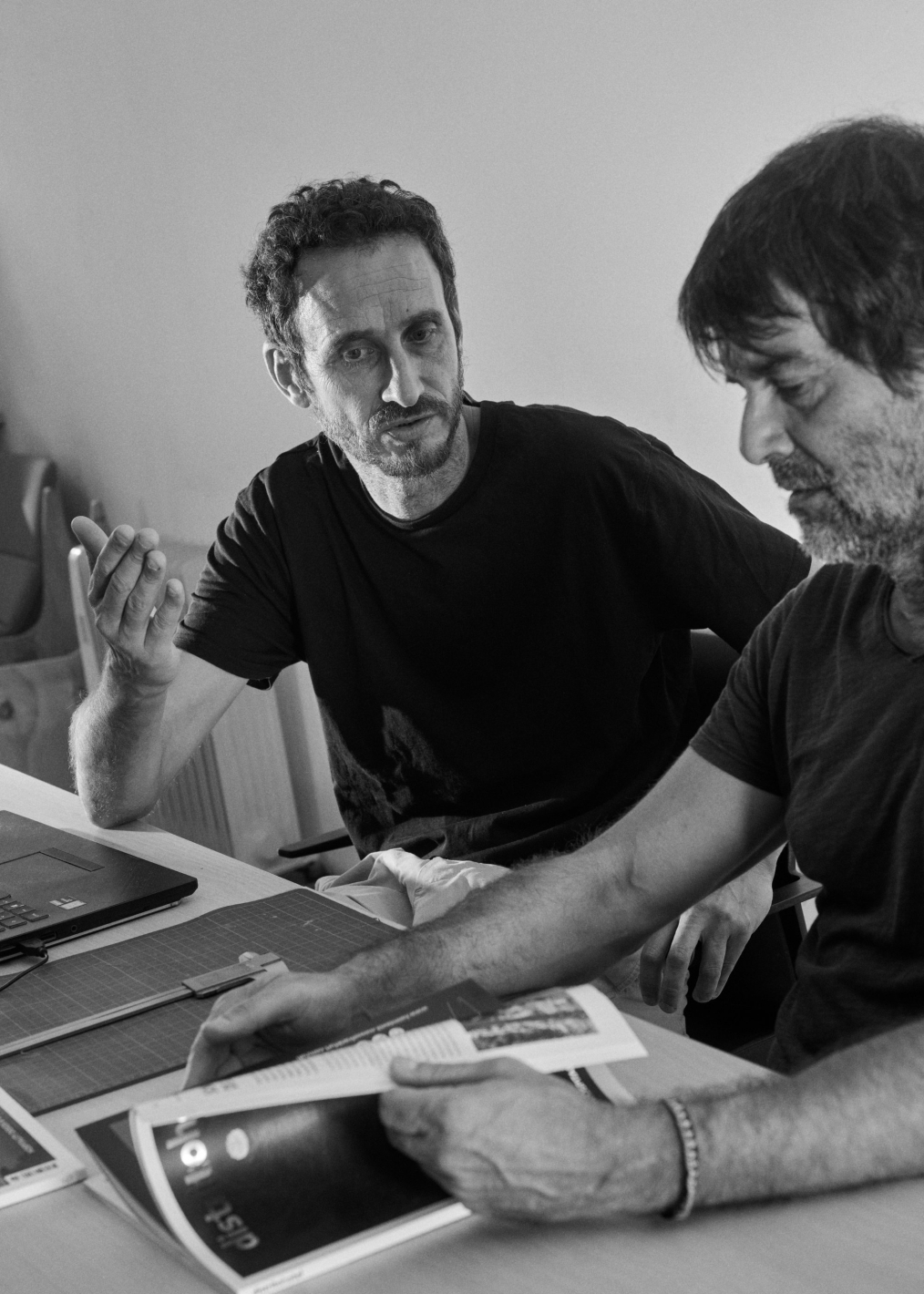
We do not really divide the creative process. We put an idea on the table and start thinking independently, then work on it together. When one of us comes up with something, it goes through the other person’s filter. That second perspective can push the project forward, redirect it, or sometimes tell you to slow down or stop.
Very often, the person presenting an idea does not yet see exactly what they have in front of them. The other person can suddenly say, “Wait, this is good. Let’s focus on this.” That objectivity is extremely valuable.
We have very similar tastes, which helps, but we also bring different perspectives. Once you have been working on something for a long time, you start to lose objectivity. Having another person look at the same idea can be a catalyst.
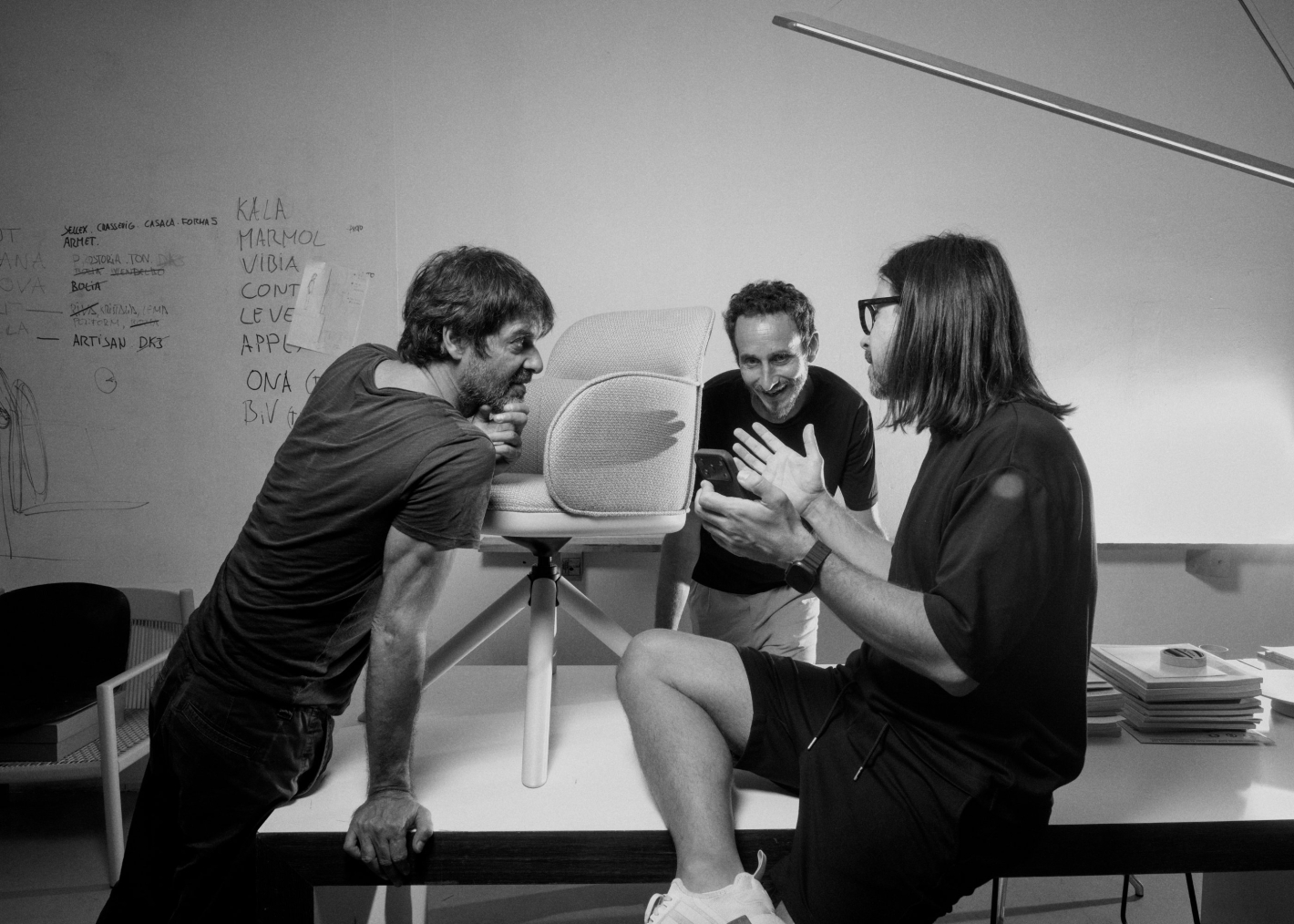
The technical team has a very strong knowledge of wood and manufacturing processes. At the same time, they respect the designer’s intentions. They do not change something without discussing it with you first.
The central base is a good example. We had left some aspects of it open, and the way Ton technically resolved the base was very interesting. When we saw the result, we thought it worked very well.
It is a pleasure to work with people who master the manufacturing process. You can really see their expertise in the final product.
The whole project started from that question. We did not want to make simply another product. We wanted to create something for today’s world while making use of the knowledge and identity that distinguish Ton.
The challenge was to ensure that this heritage was not lost in the process of creating something new.
Suavida is therefore not a reproduction of a traditional bentwood armchair. It is a contemporary interpretation of the same design language, translated into upholstery, curves and details that belong to a different moment.
First, we hope they find it extremely comfortable. We also like the contrast between the classic and the contemporary character of the armchair. It has something slightly classic about it, but at the same time its shapes are very contemporary and simple, which makes it easy to integrate into modern interiors.
Ultimately, we would like someone to sit in the armchair for an hour or two and, when they get up, want to sit down again.
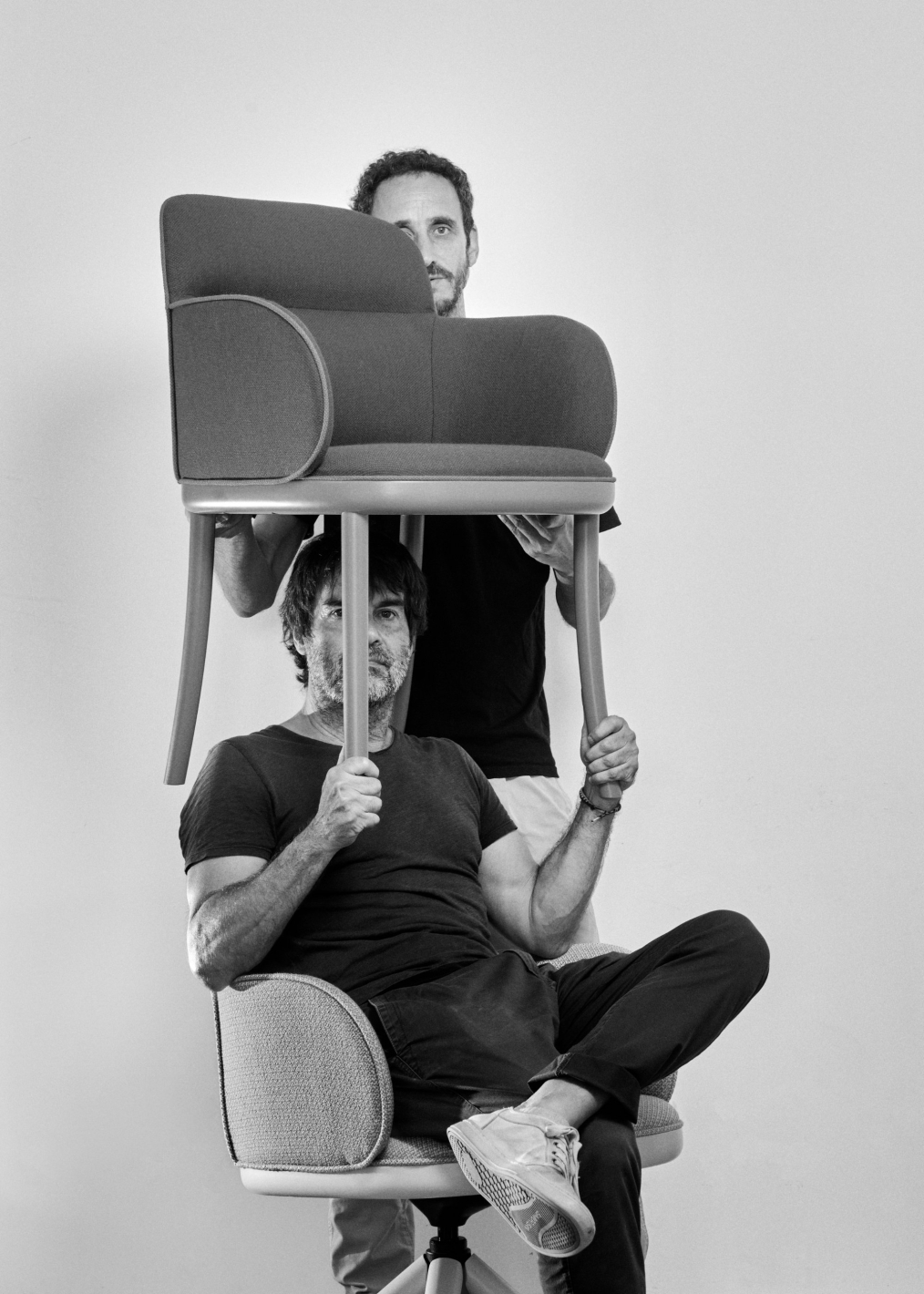
"Ramos & Bassols is a design duo from Barcelona, founded by David Ramos and Jordi Bassols. Their work spans lighting, tableware and furniture for both residential and work environments. Their designs are defined by clean lines, a contemporary feel and a focus on functionality, complemented by a sense of naturalness and individuality. The studio has received numerous awards, including the Red Dot Award and NYCxDESIGN Award."