Skip to content Skip to menu Skip to search

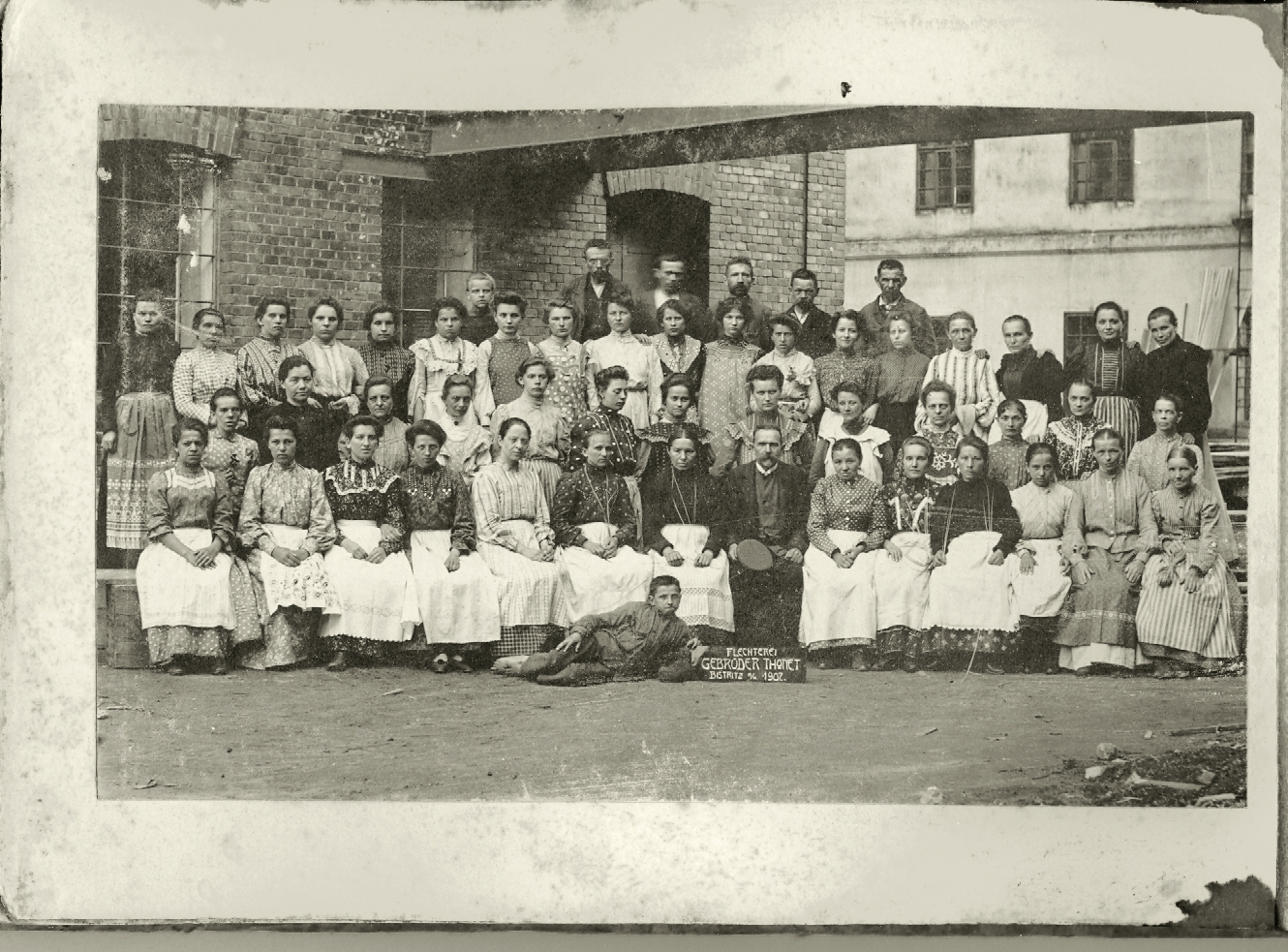
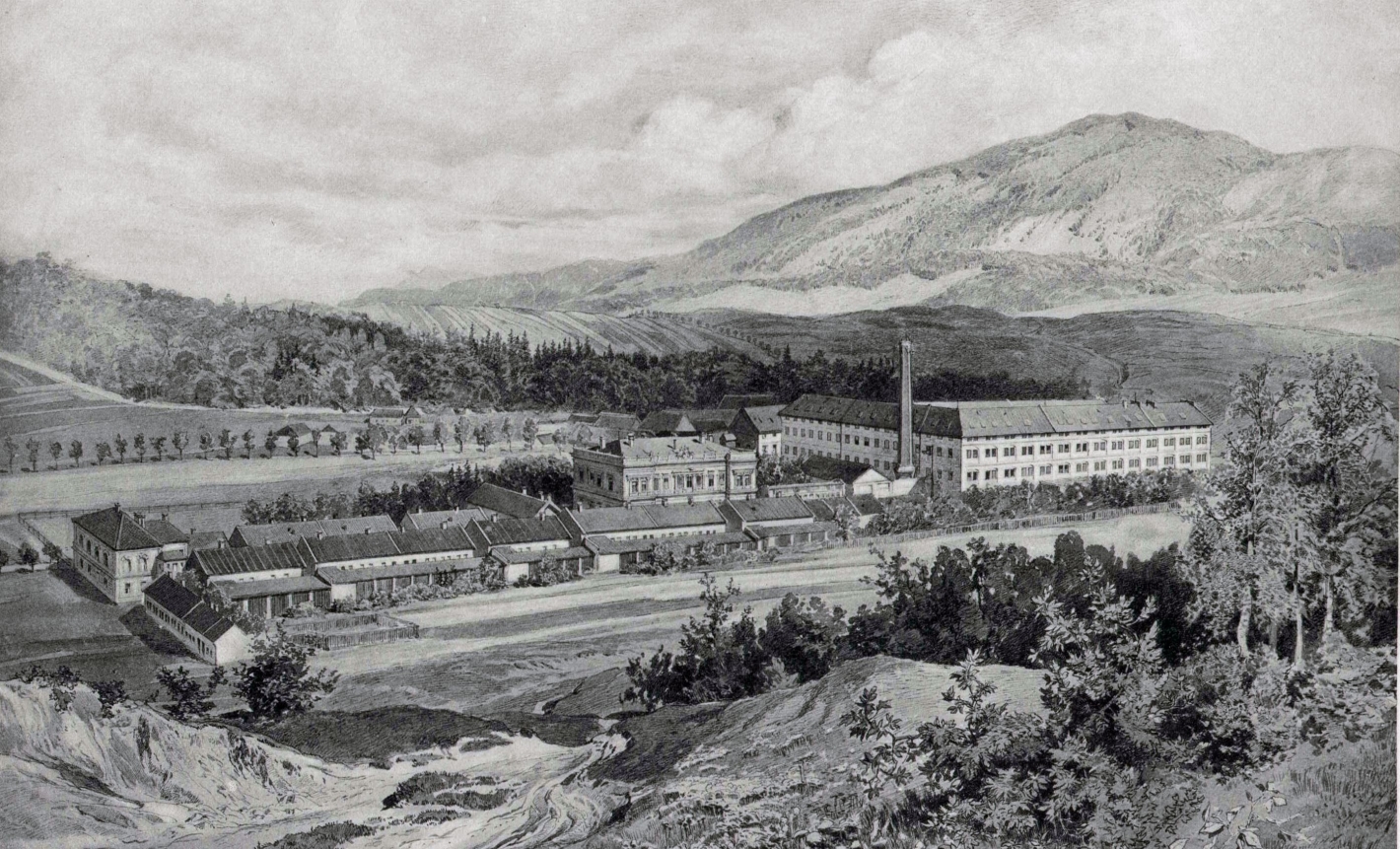
For 165 years, bentwood furniture has been made in Bystřice pod Hostýnem in the same place, using the same technology, with a continuity that has no parallel in European furniture making.
Here, bending wood has never been a decoration or a nostalgic gesture. From the very beginning, it was a technology – a search for lightness, strength, efficiency, and long service life. It was precisely this approach that enabled the creation of iconic chairs that became part of everyday life, often so natural that we hardly notice their origin.
This document returns to the foundations: to the place where bentwood furniture has been created since 1861, to the people who pass on their knowledge from generation to generation, and to the decisions that give this technology meaning even today.
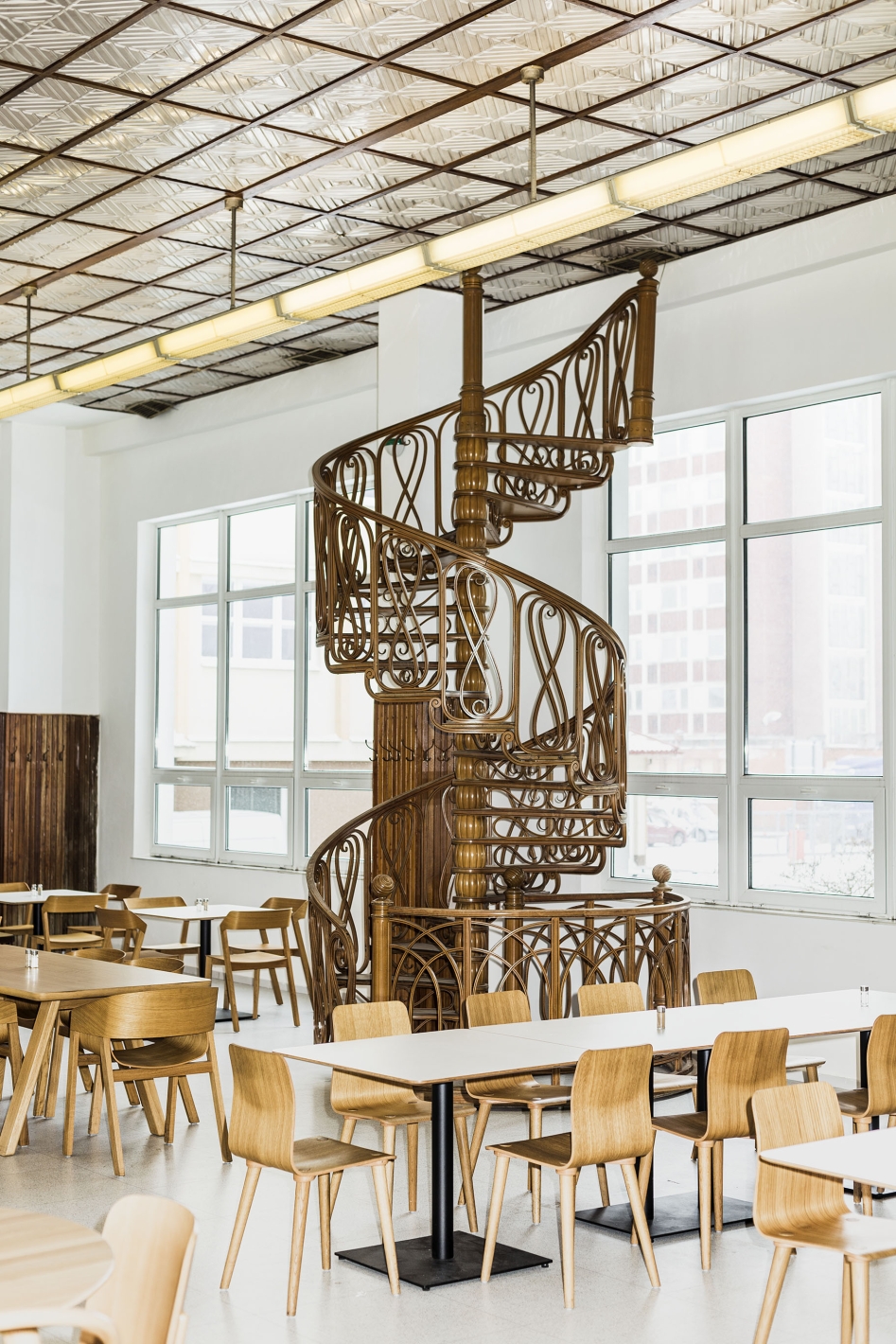
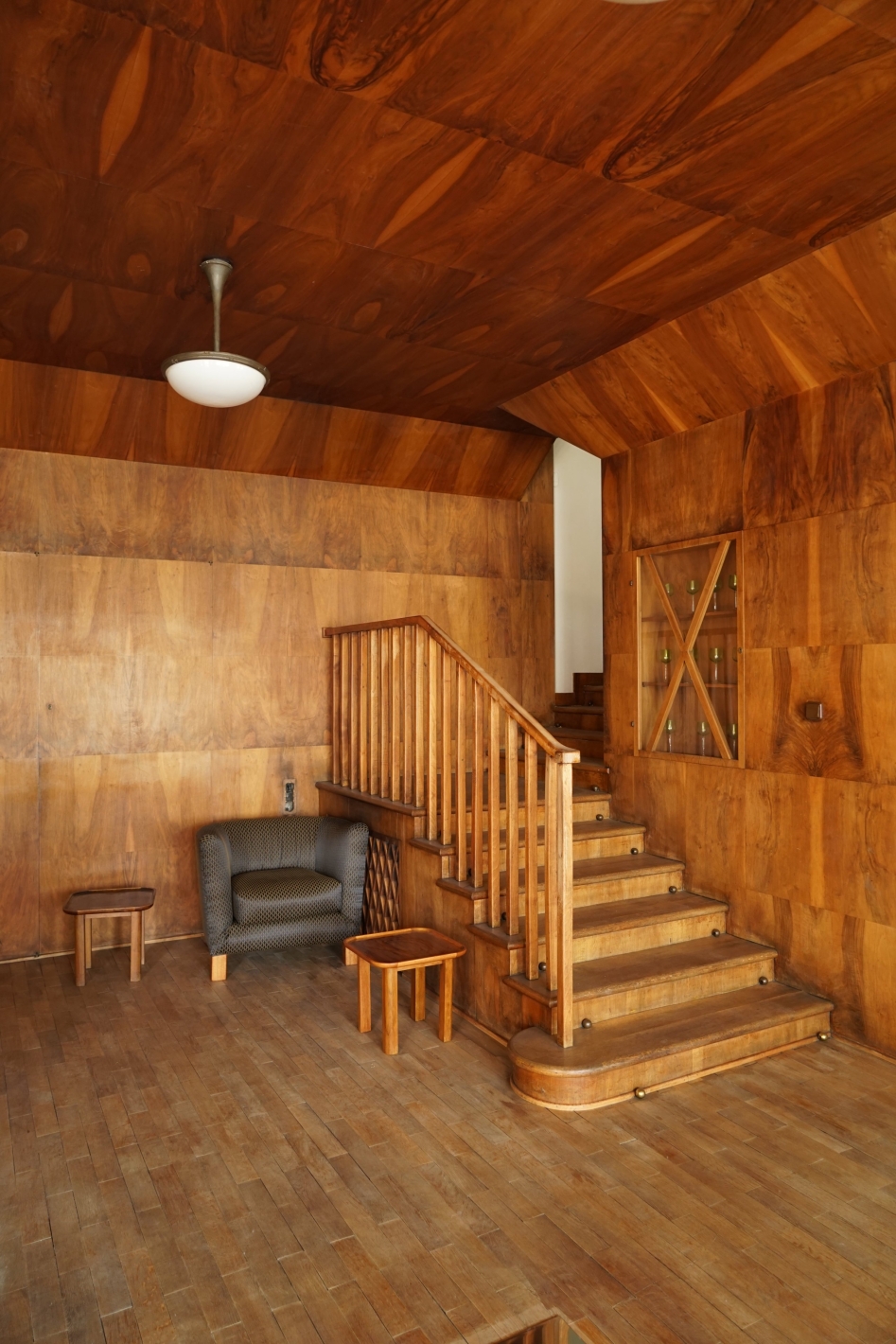
A few years earlier, Holešov had faced a devastating fire. Now, the people of Bystřice pod Hostýnem were about to face a similar ordeal. It broke out in 1982 in the oldest part of the factory. Fortunately, important historical artefacts were saved, including most of the historical medals and, above all, the unique wooden staircase from Thonet’s original apartment. Today, it can be found in the shared factory canteen.
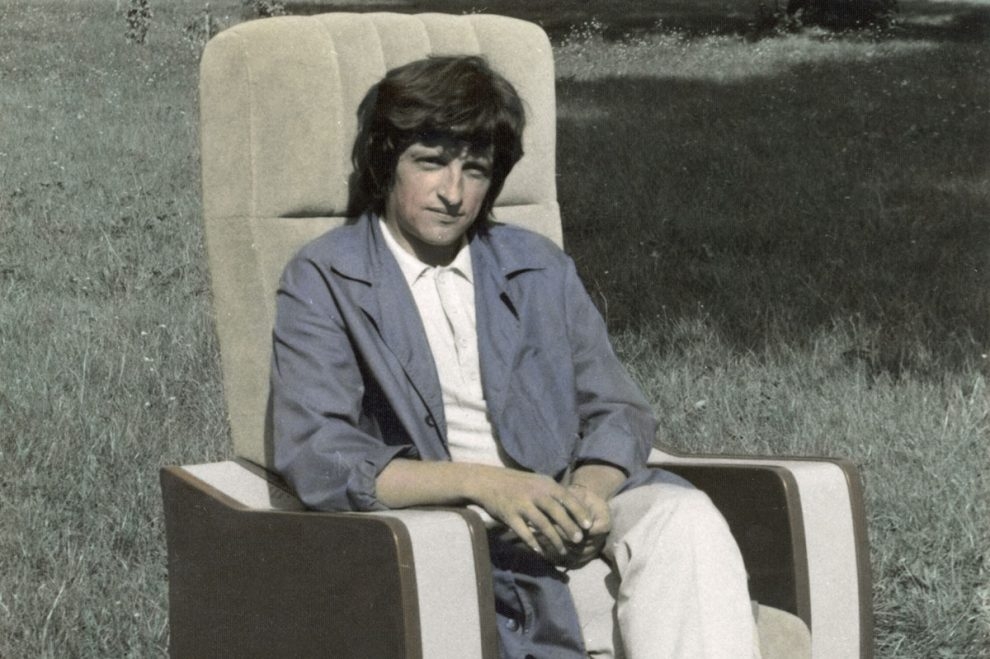
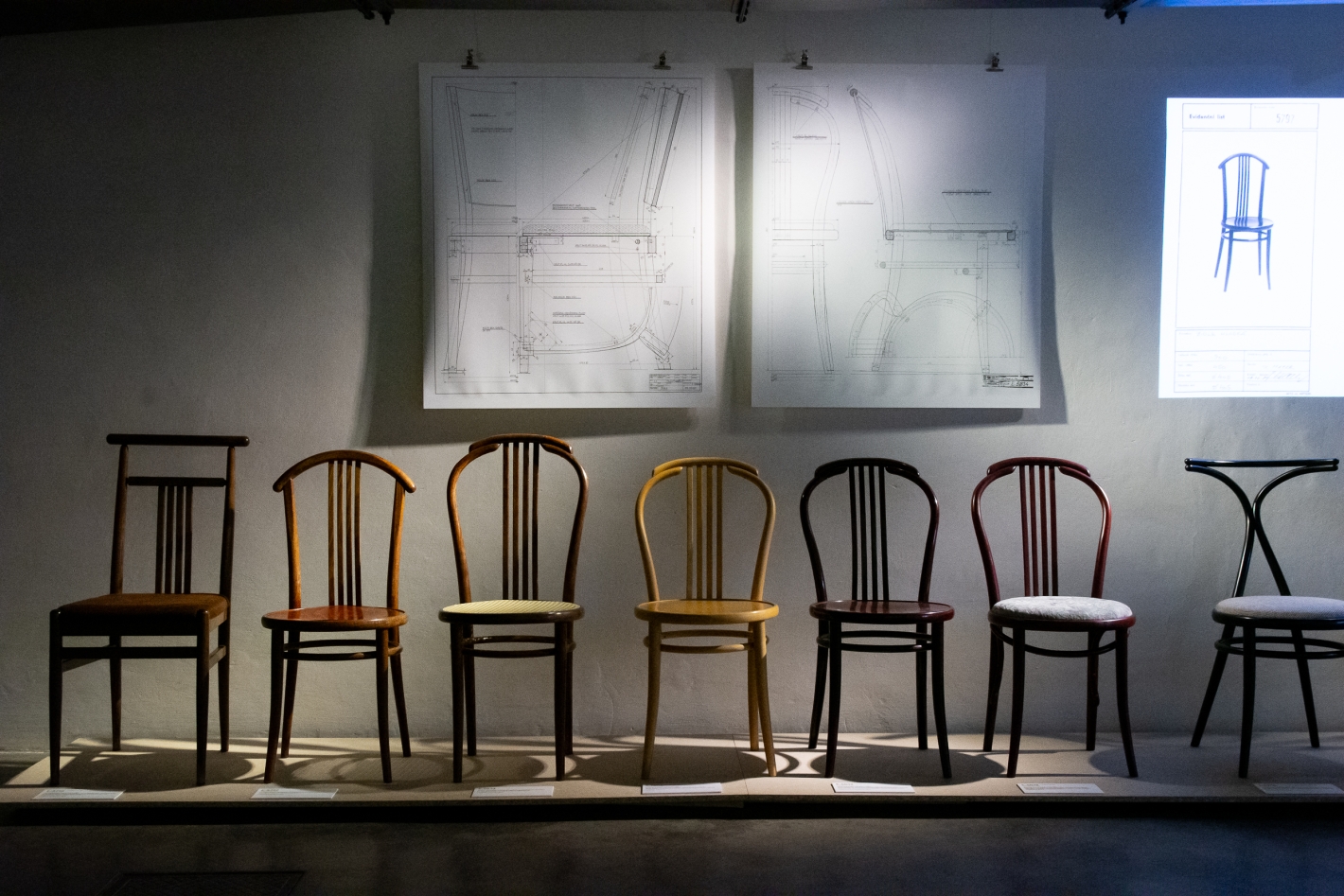
At the turn of the 1970s and 1980s, major stylistic changes were taking place in
visual art, design and architecture. Global postmodern tendencies entered the
Czech scene at that time. Unlike the modernist approach, which was based on
rational construction and elegant forms, postmodernism brought eclectic
thinking, inspiration from history, the use of symbols and an appreciation of
classical artistic forms. At the state-owned Ton company, this transformation
was most clearly reflected in the work of designer Josef Macek, who worked at
the factory for more than 40 years.
The TON archive still holds meticulously executed furniture drawings from the 1960s and 1970s. These were created primarily as part of furniture design competitions organised by the Institute of Housing and Clothing Culture or the Ministry of Consumer Industry. However, the vast majority of these designs were never realised and, unfortunately, never entered serial production. Nevertheless, they represent highly progressive modernist design, created both by renowned architects and by completely unknown designers.


Another group of unique designs that did make it into production was created by
leading Czech architects in close collaboration with the TON national
enterprise. Particularly around the turn of the 1960s and 1970s, Czechoslovakia
invested heavily in the construction of new diplomatic missions abroad and
luxury international hotels.
In 1961, the publication The Work of Hands and Spirit was released to commemorate the 100th anniversary of the founding of the factory in Bystřice pod Hostýnem. Written by Pavel Hejcman.
At the time, the factories continued to manufacture classic models using traditional production technologies. Most of these products, however, were intended for export to countries of the former Soviet Union. At the same time, the design of newly developed furniture reached an exceptionally high standard. While most furniture manufacturers in Czechoslovakia cooperated with the Furniture Industry Development Institute, TON enjoyed a privileged position by operating its own in-house design studio.

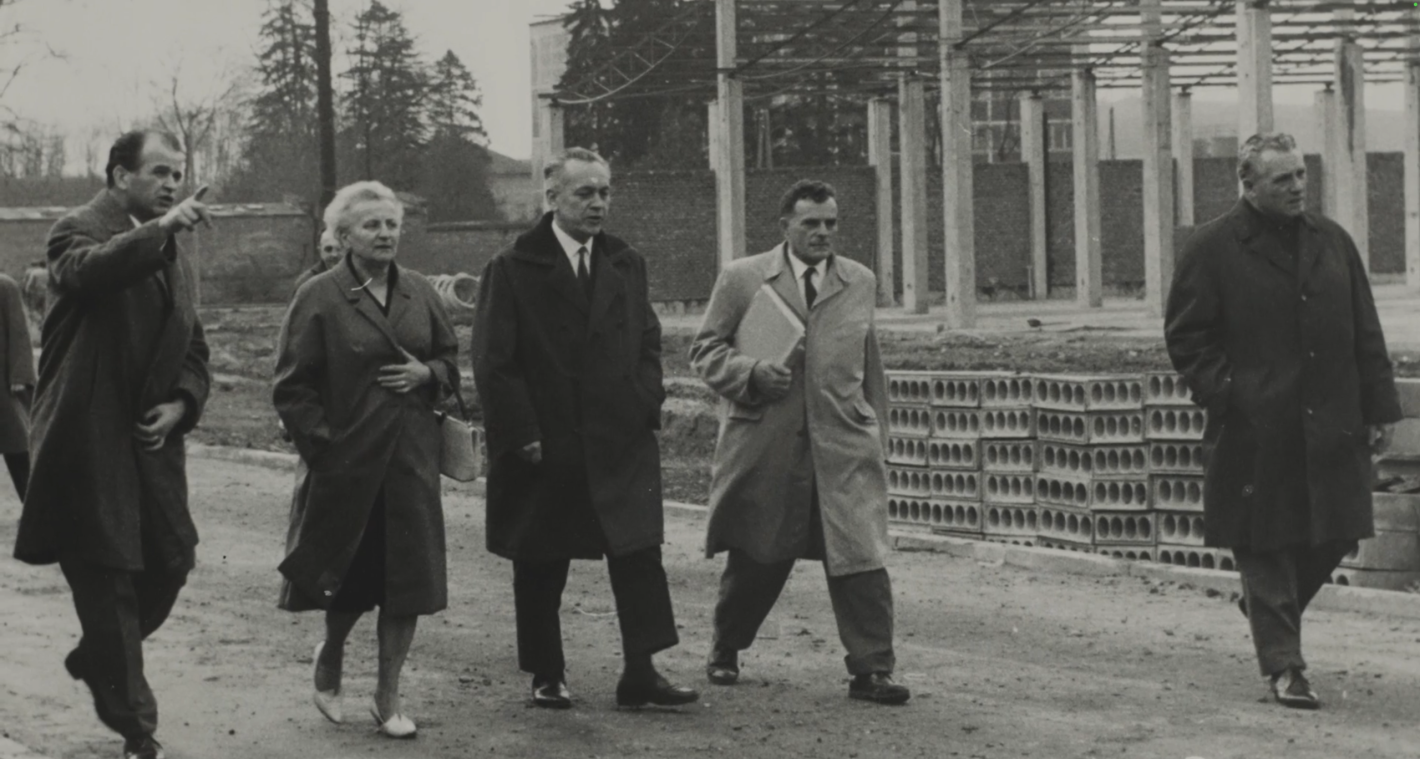
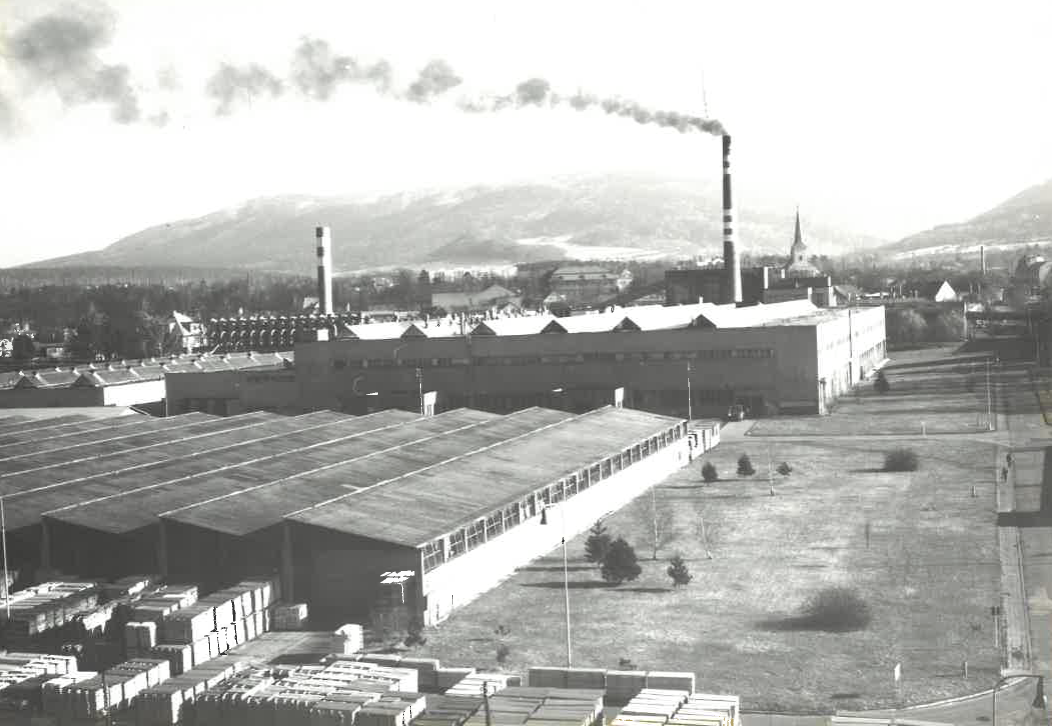
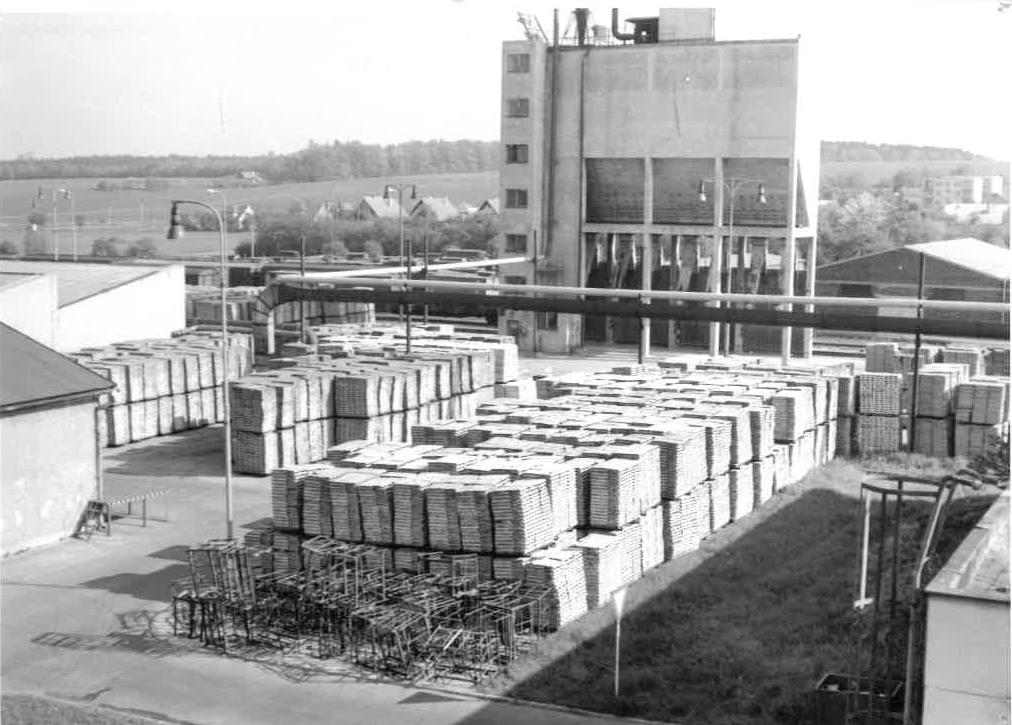
The factory itself also underwent significant transformation. Between 1965 and
1970, a new, modern manufacturing complex was constructed. The foundation stone
was laid on 3 January 1965 in the presence of Božena Machačová-Dostálová,
then Minister of Consumer Industry. The completion of this state-of-the-art
facility, at the time the largest seating furniture manufacturing plant in
Central Europe, became one of the most important milestones in TON's history.
With the outbreak of the Second World War, dark clouds began to gather over the factories of the Thonet Mundus group. After 11 September 1939, the factories fell into the hands of the occupying power and their operations were converted to wartime production. In Koryčany, for example, wooden wings for Arado training aircraft were manufactured, while the other factories, including the one in Bystřice pod Hostýnem, produced ammunition boxes and wooden rifle stocks. In Frankenberg, Germany, adjustable loungers for military field hospitals were also manufactured.
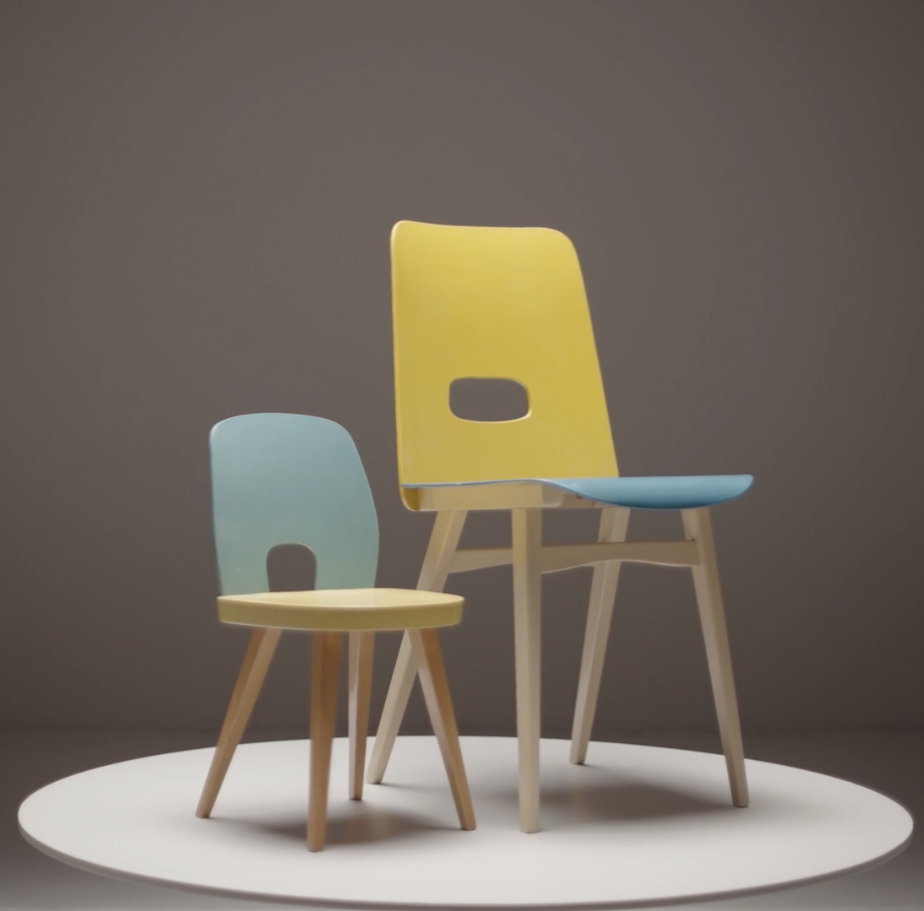
Most furniture designs from the late 1950s already reflected the trends of
international modernism. In Czechoslovakia, this creative phenomenon became
known as the Brussels style, named after the highly successful Czechoslovak
pavilion at the 1958 World Expo in Brussels. It was for this pavilion that TON
created unique armchairs designed by architects František Cubr, Zdeněk
Pokorný and Josef Hrubý.
During the 1930s, modernism became established within European discourse as a new intellectual movement of the democratic world. However, after the radical functionalist ideas that viewed the house as a machine for living, emotion and an emphasis on the human dimension of living gradually returned to architectural design.
Among the most significant examples of this period was the collaboration with Josef Hoffmann, who, together with Oswald Haerdtl, designed the iconic A811 chair in 1930. The wooden structure works with concise forms and the characteristic circular perforation of the backrest.
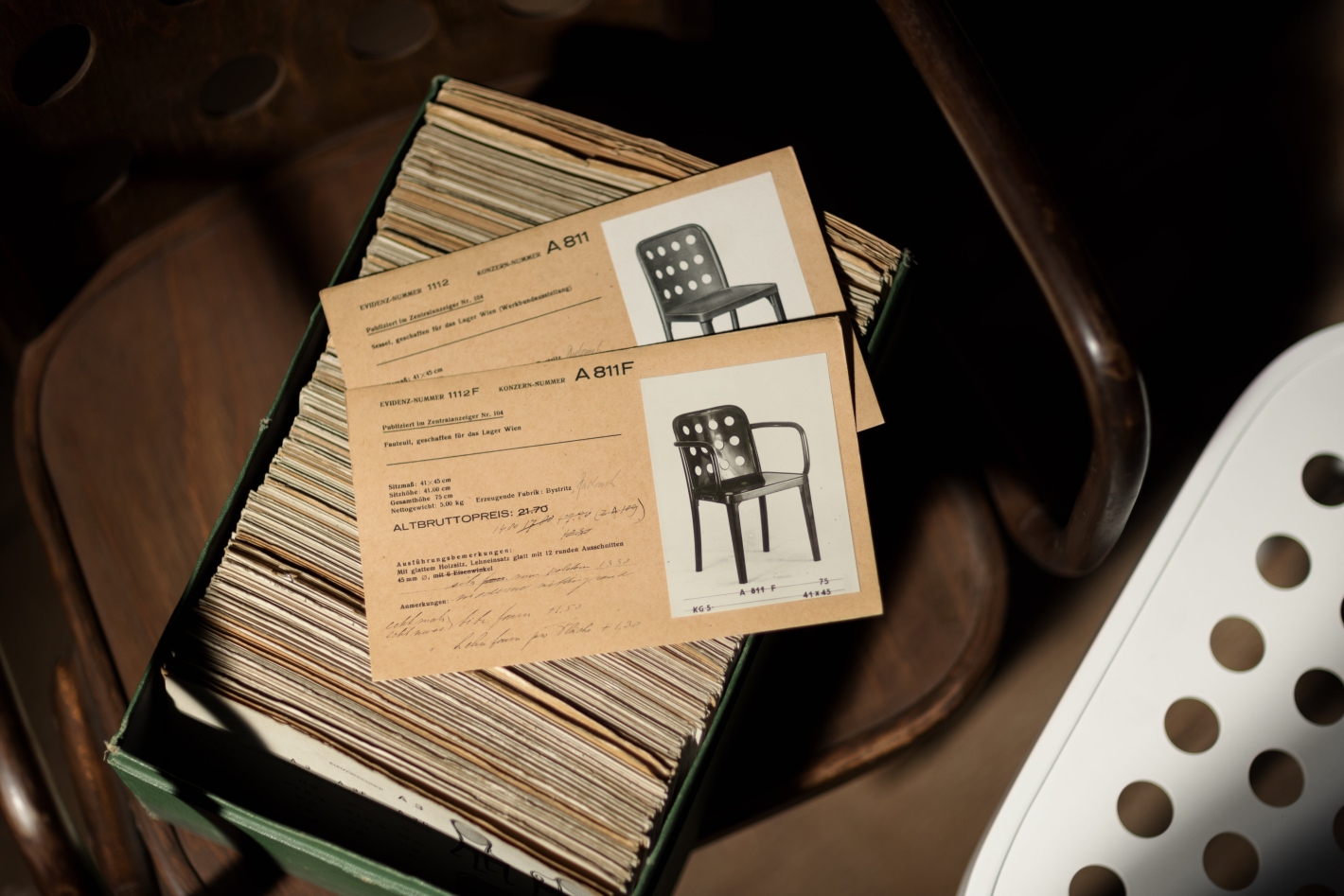
Originally created for a restaurant interior as part of the Werkbund exhibition
in Vienna, the chair soon became part of the company’s portfolio and was also
produced in various versions with cane weaving or armrests.
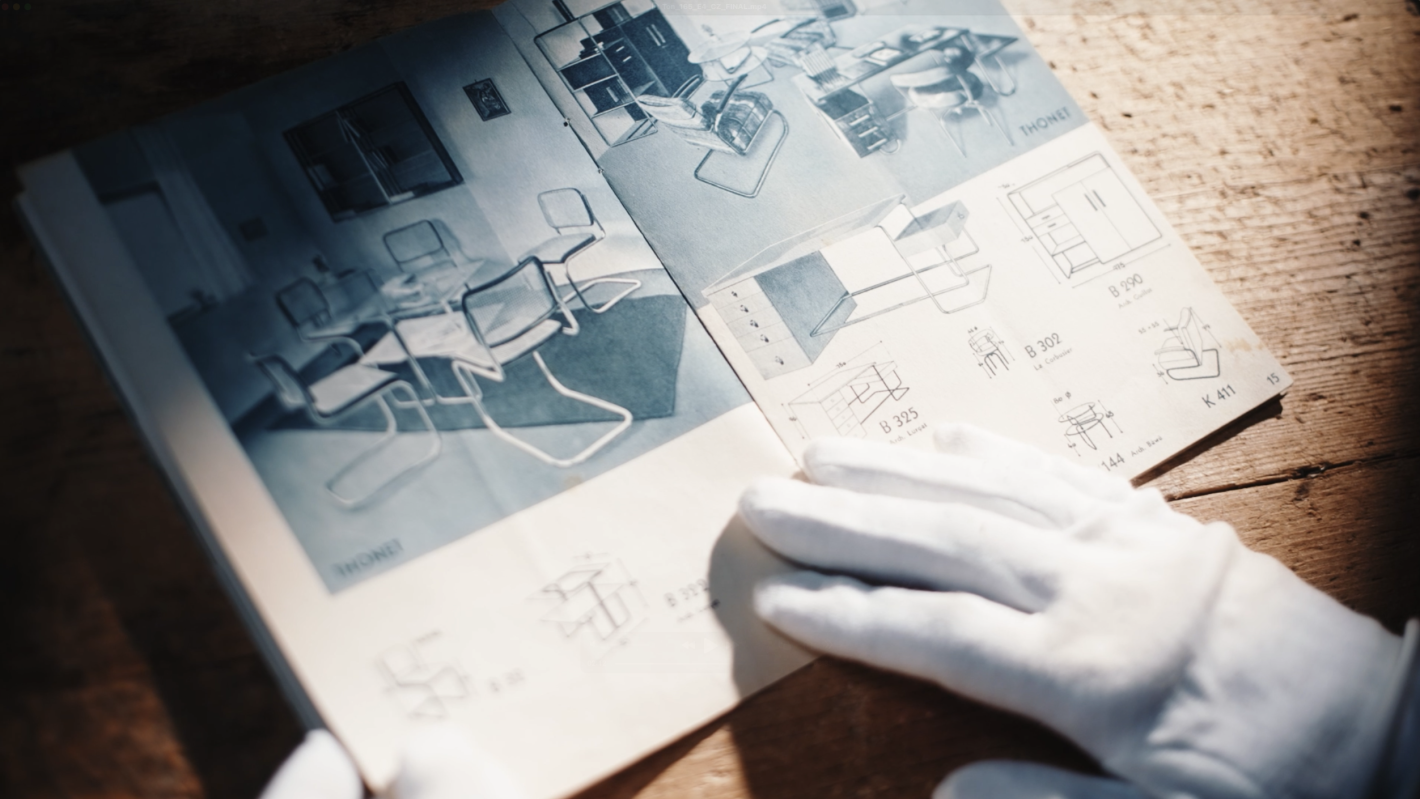
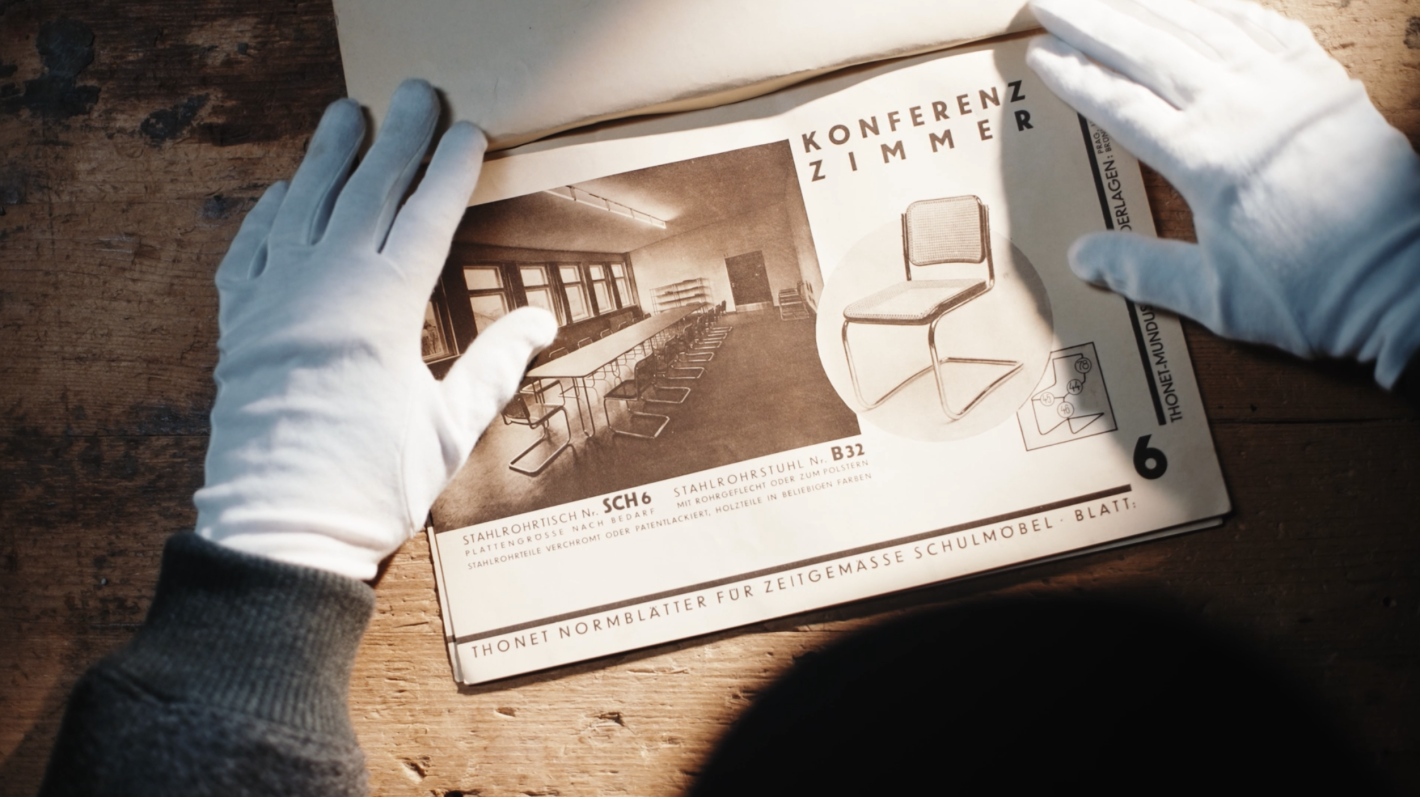
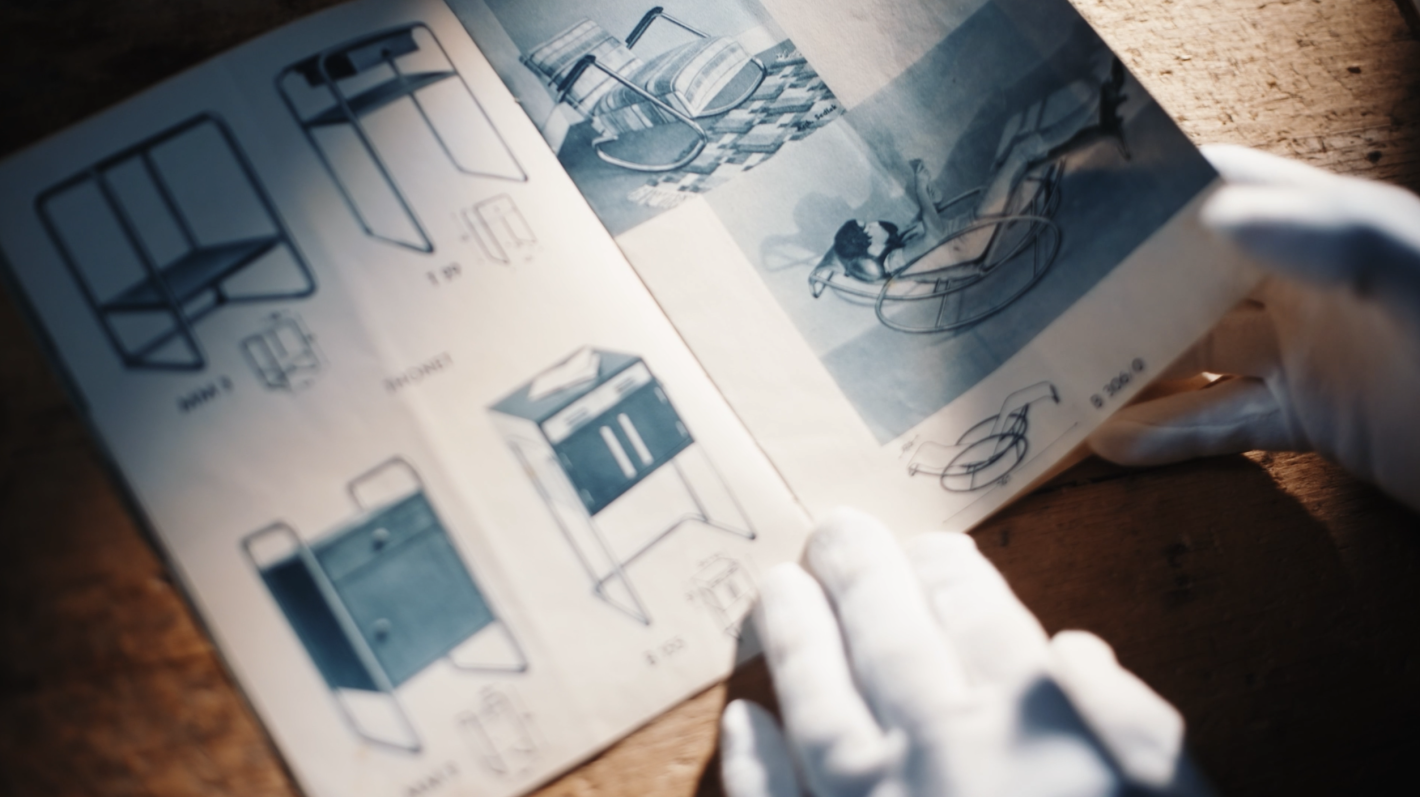
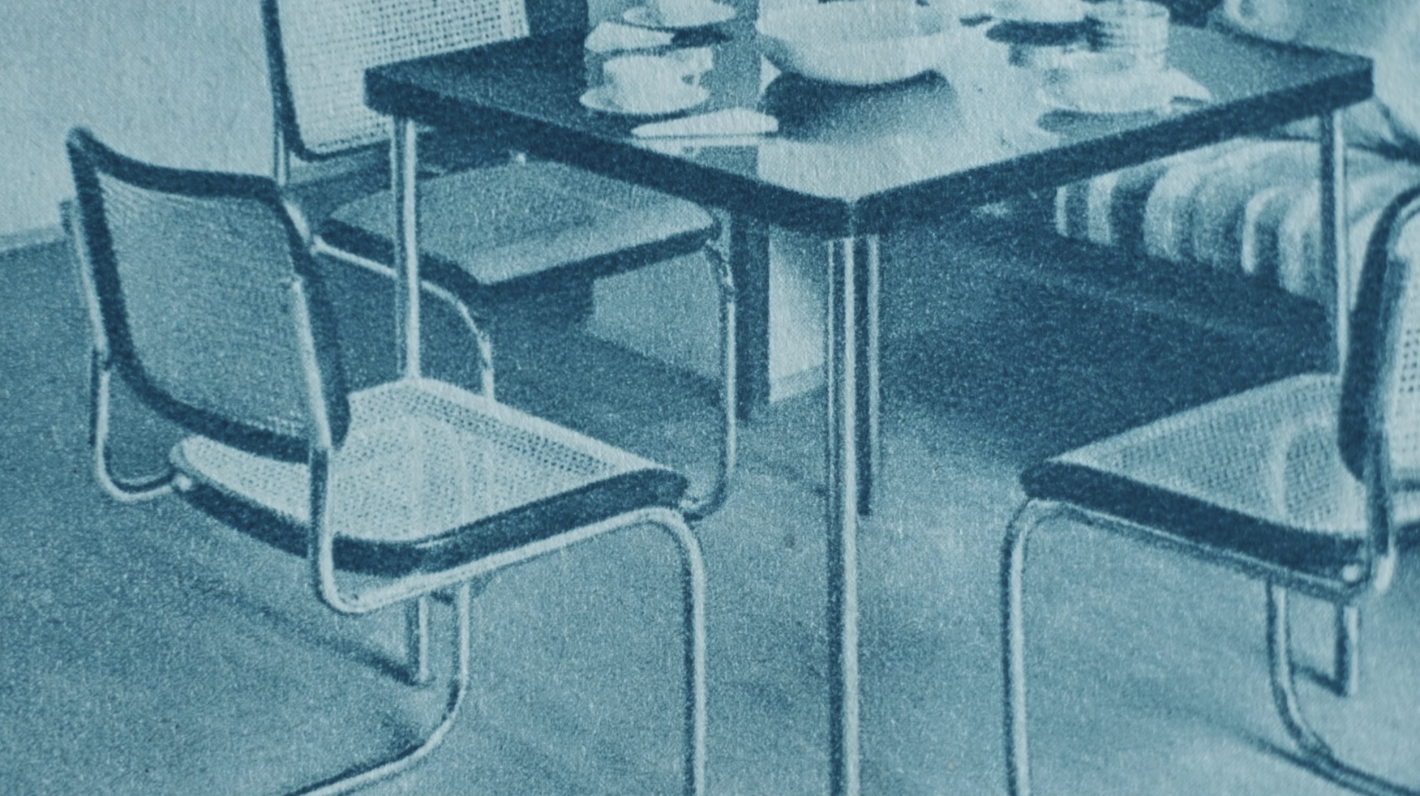
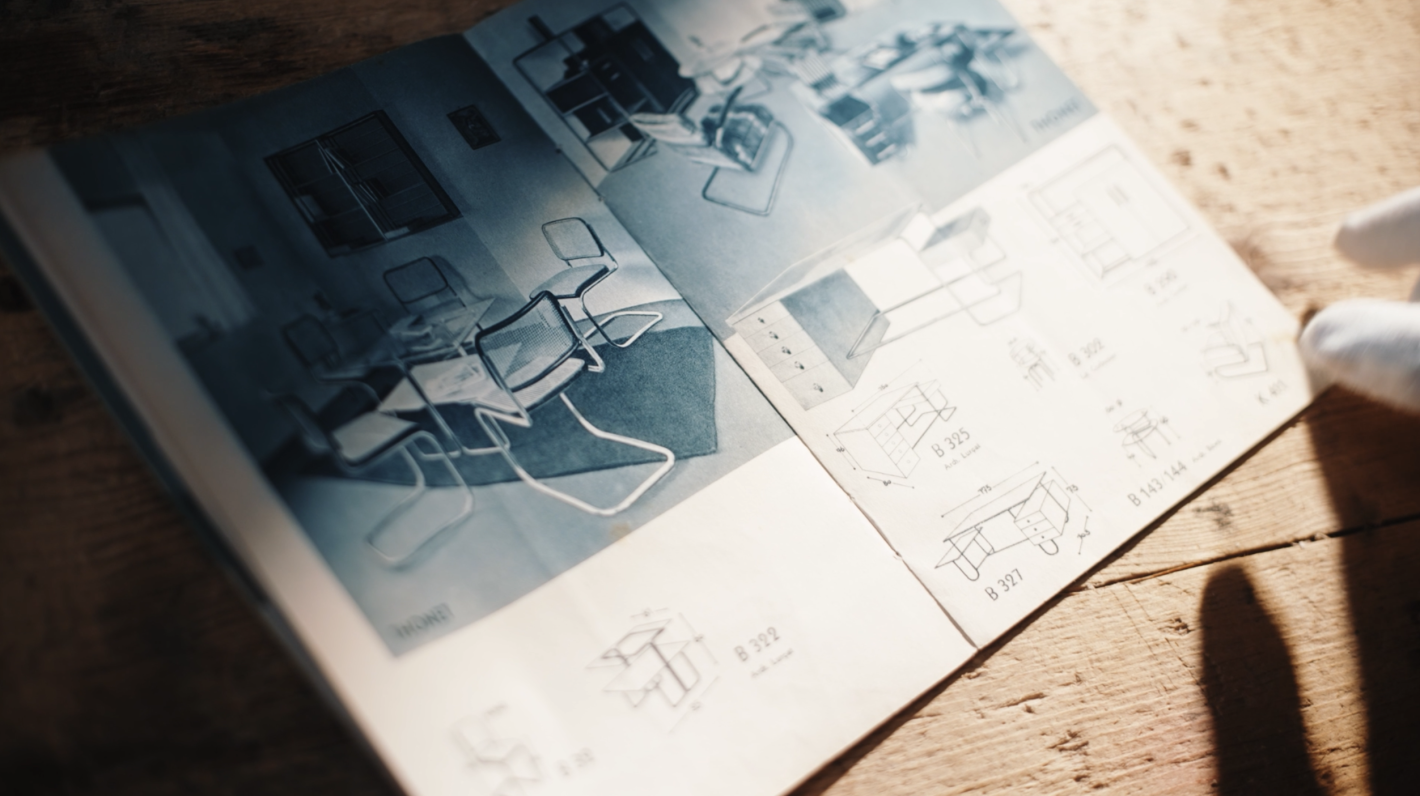
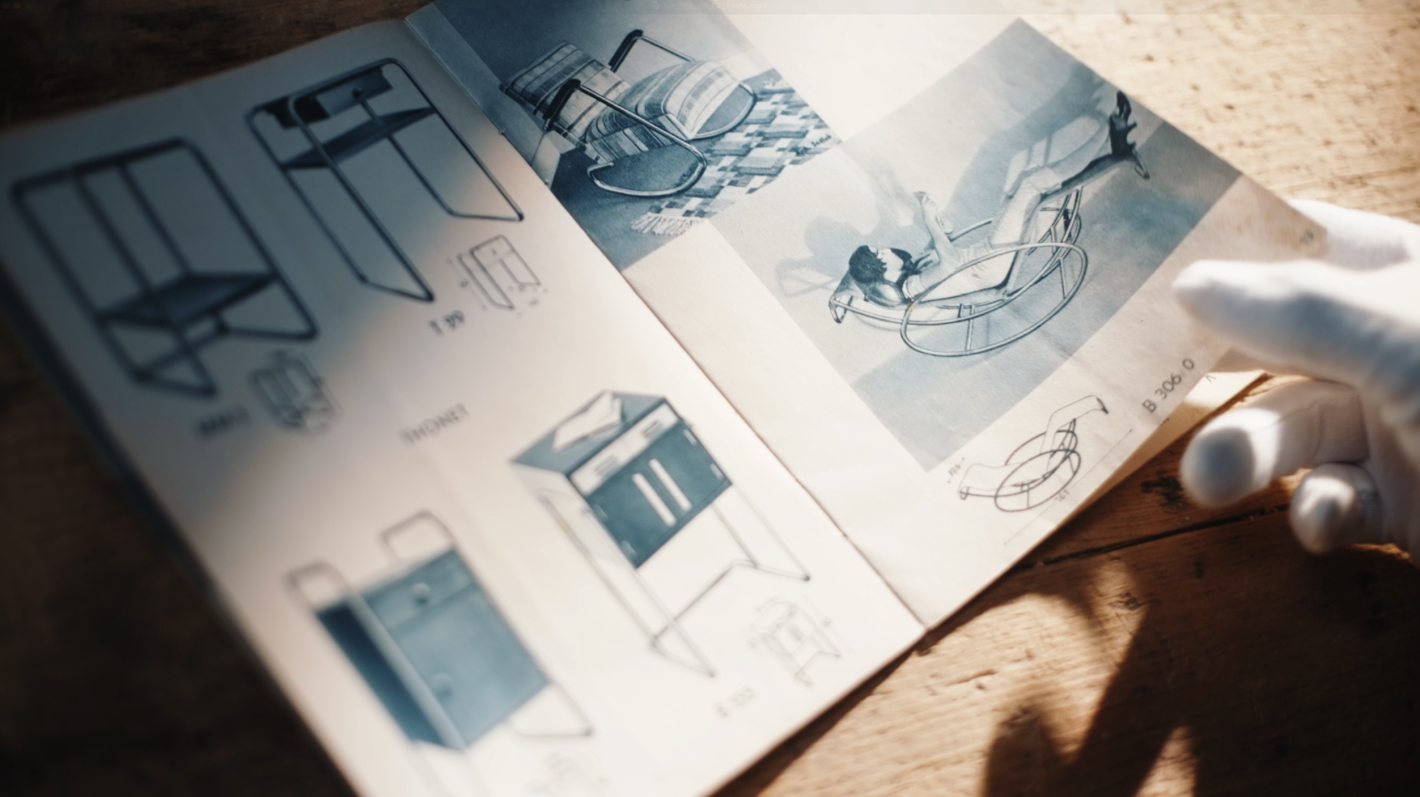
Bentwood furniture gained a significant competitor in the form of avant-garde steel furniture. Its innovative construction was introduced in the second half of the 1920s by architects and designers such as Marcel Breuer, Ludwig Mies van der Rohe, and others.
They presented an entirely new way of sitting, which soon captivated not only the whole European avant-garde, but also became part of the THONET-MUNDUS portfolio. Steel furniture for Thonet’s French division was also designed by architects Le Corbusier, Pierre Jeanneret, and Charlotte Perriand, who were active in Paris. Although Le Corbusier promoted visions of progressive modern living, he also believed in timeless design and proven forms, which for him represented a perfection that no longer needed improvement.
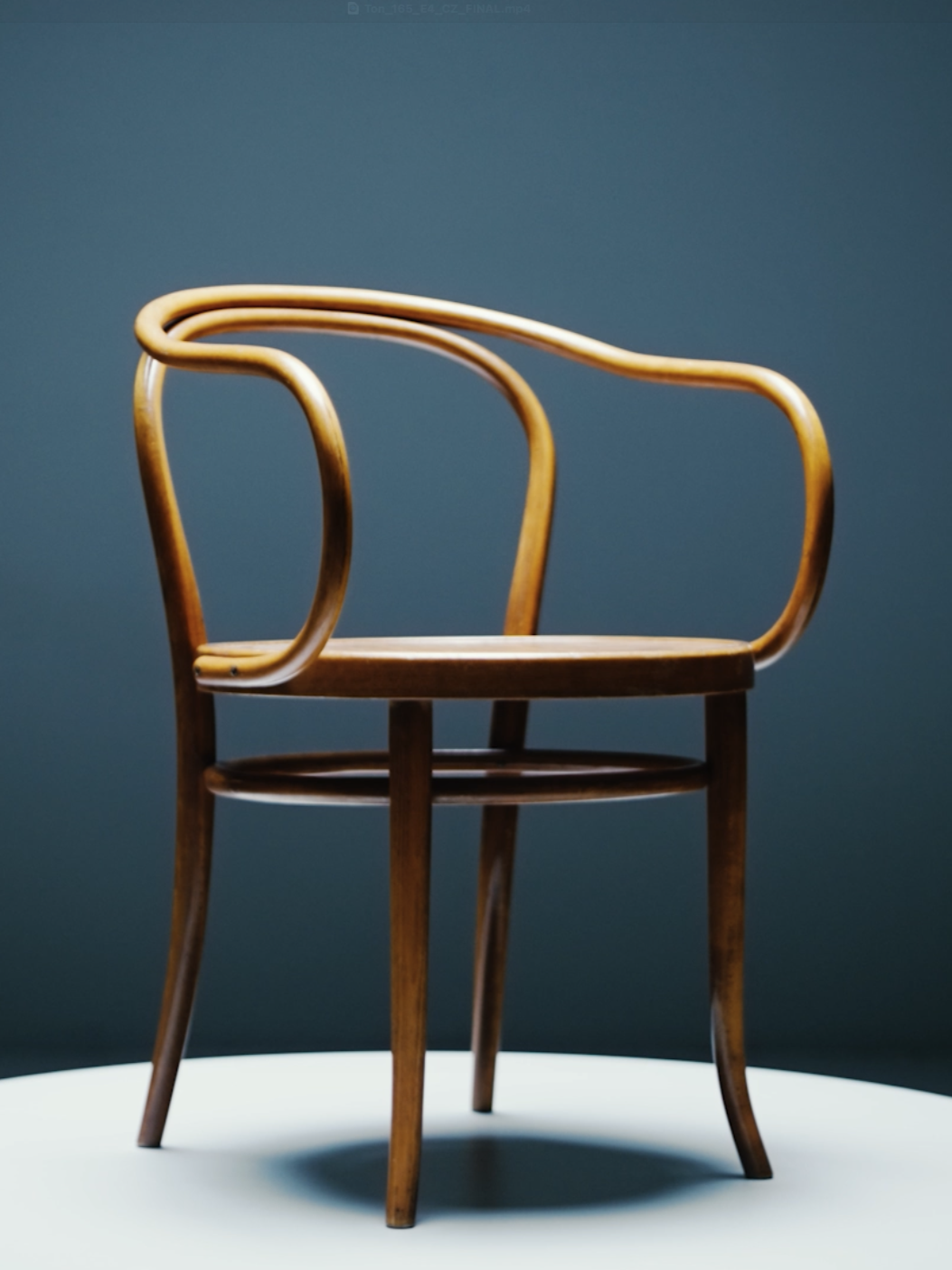
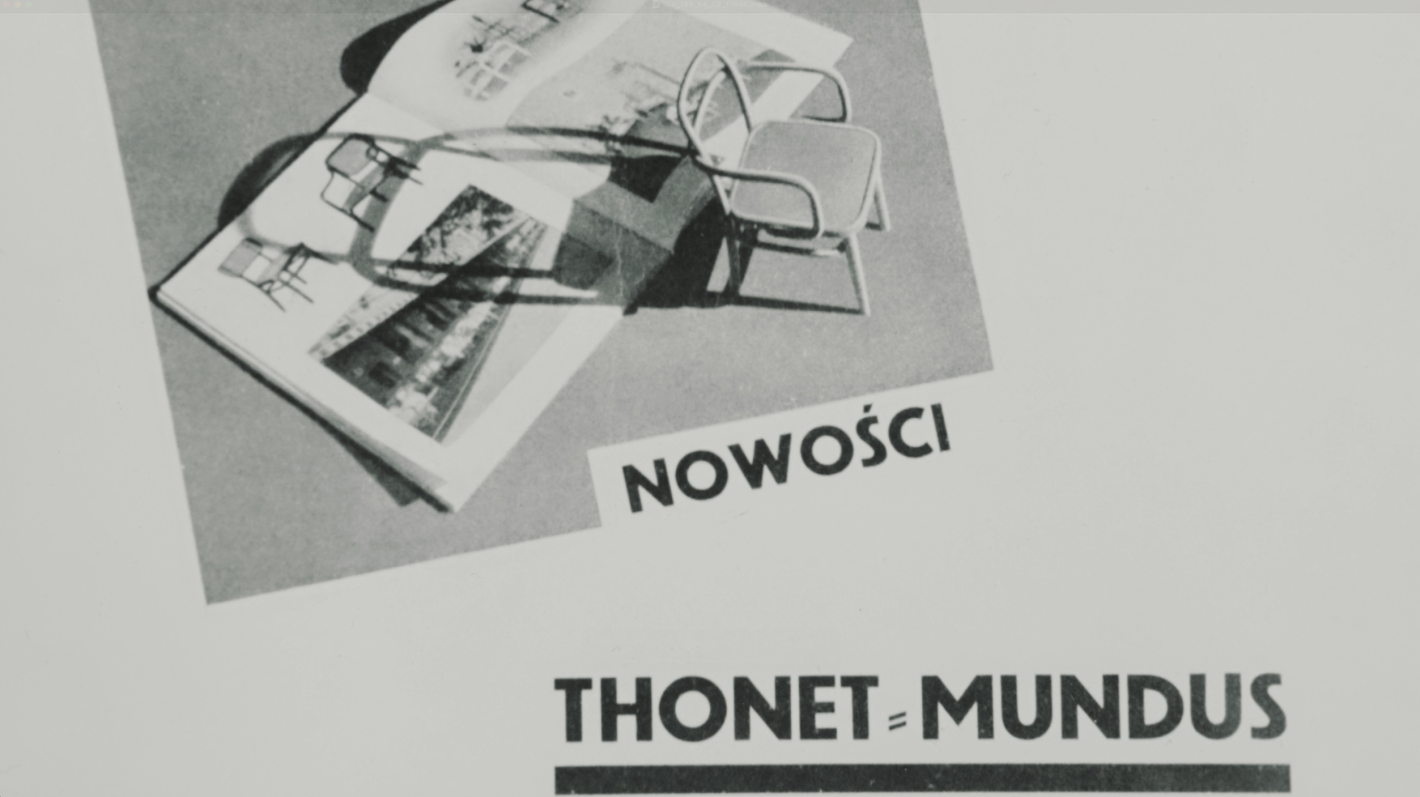
Alongside objects such as a pipe or a bottle, this also included the elegant
Chair No. 30, which the famous Swiss-French architect admired and frequently
used in interiors. Its simple and elegant curved armrests fulfilled
Corbusier’s idea of honest, functional, and timeless design.
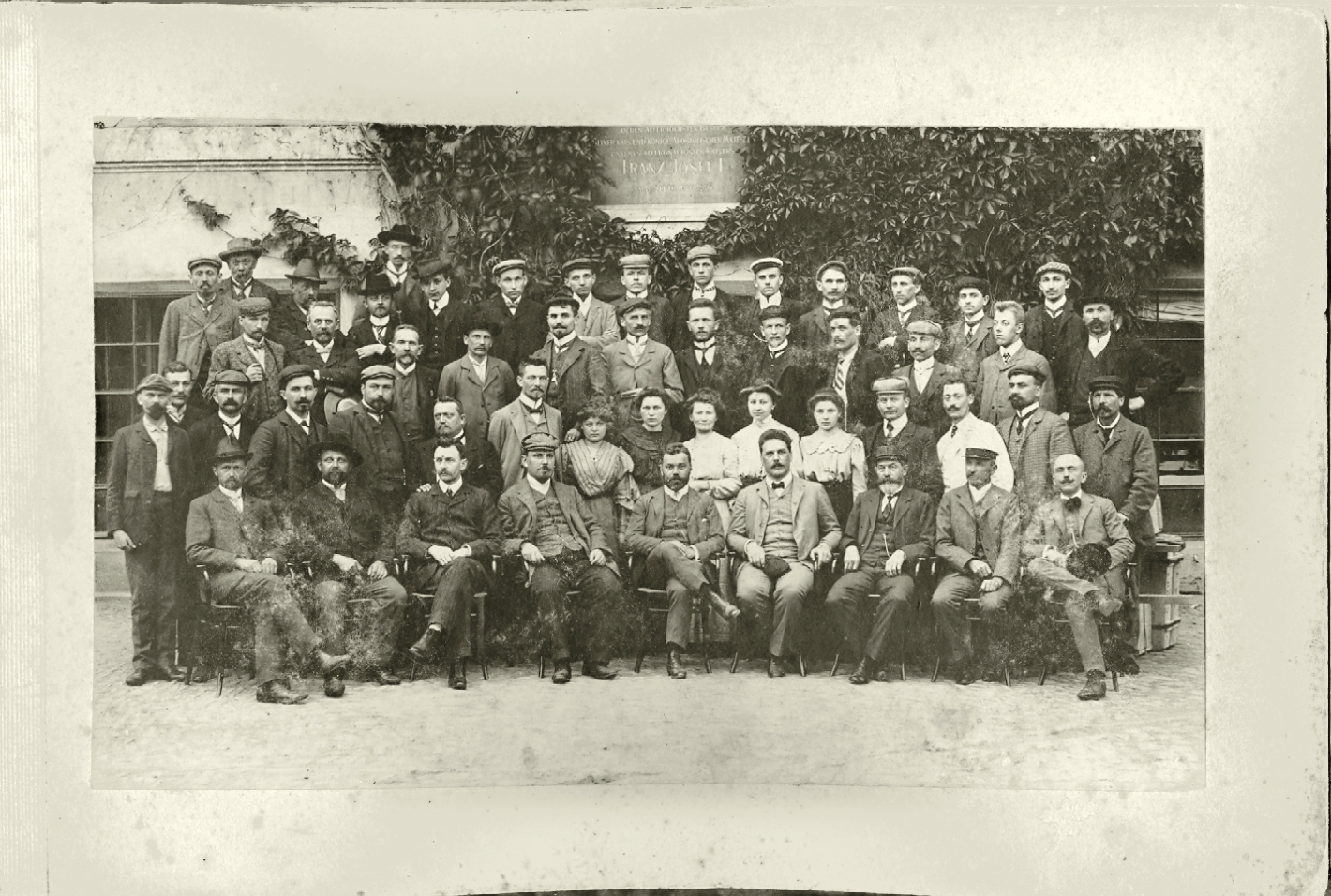
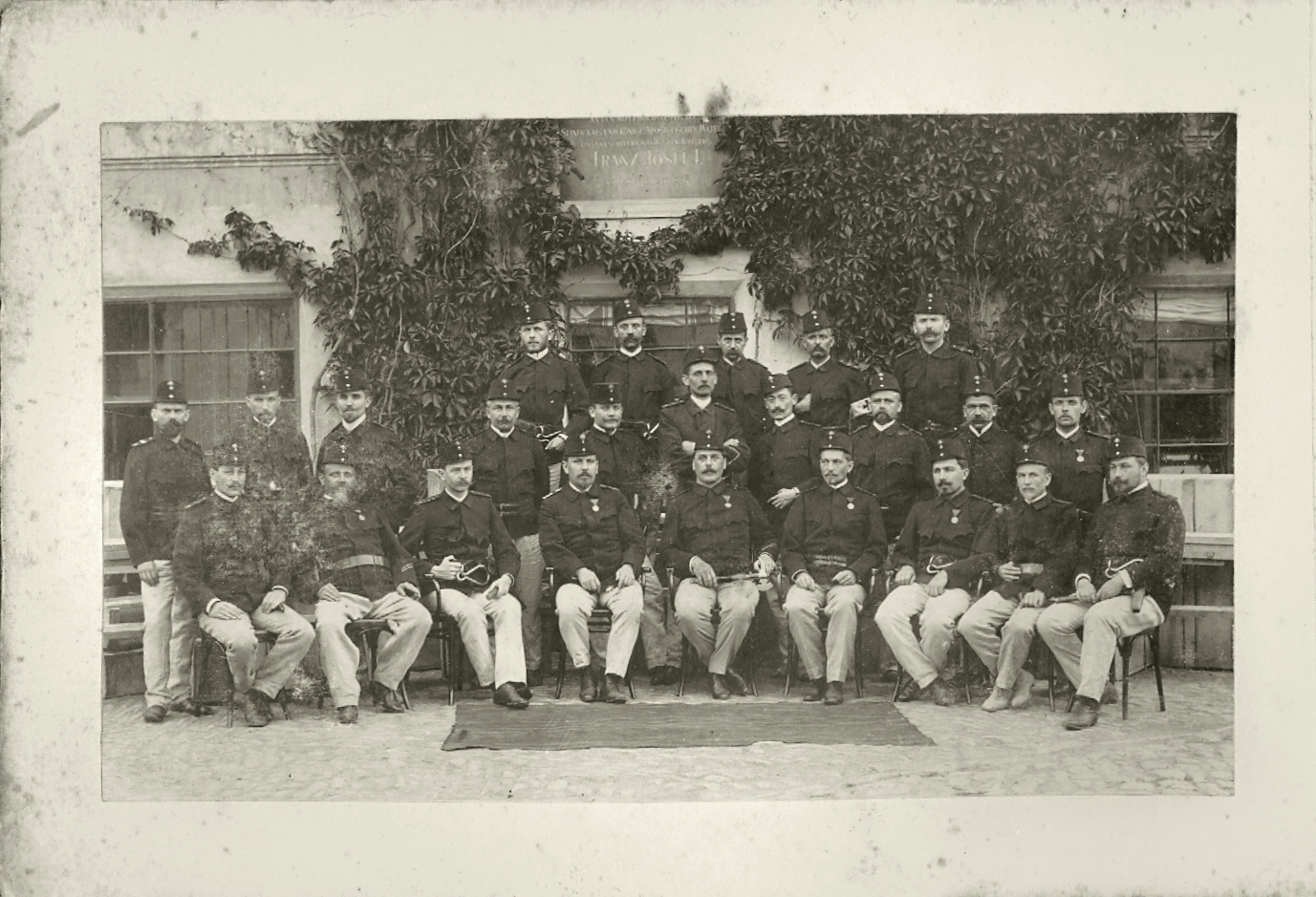
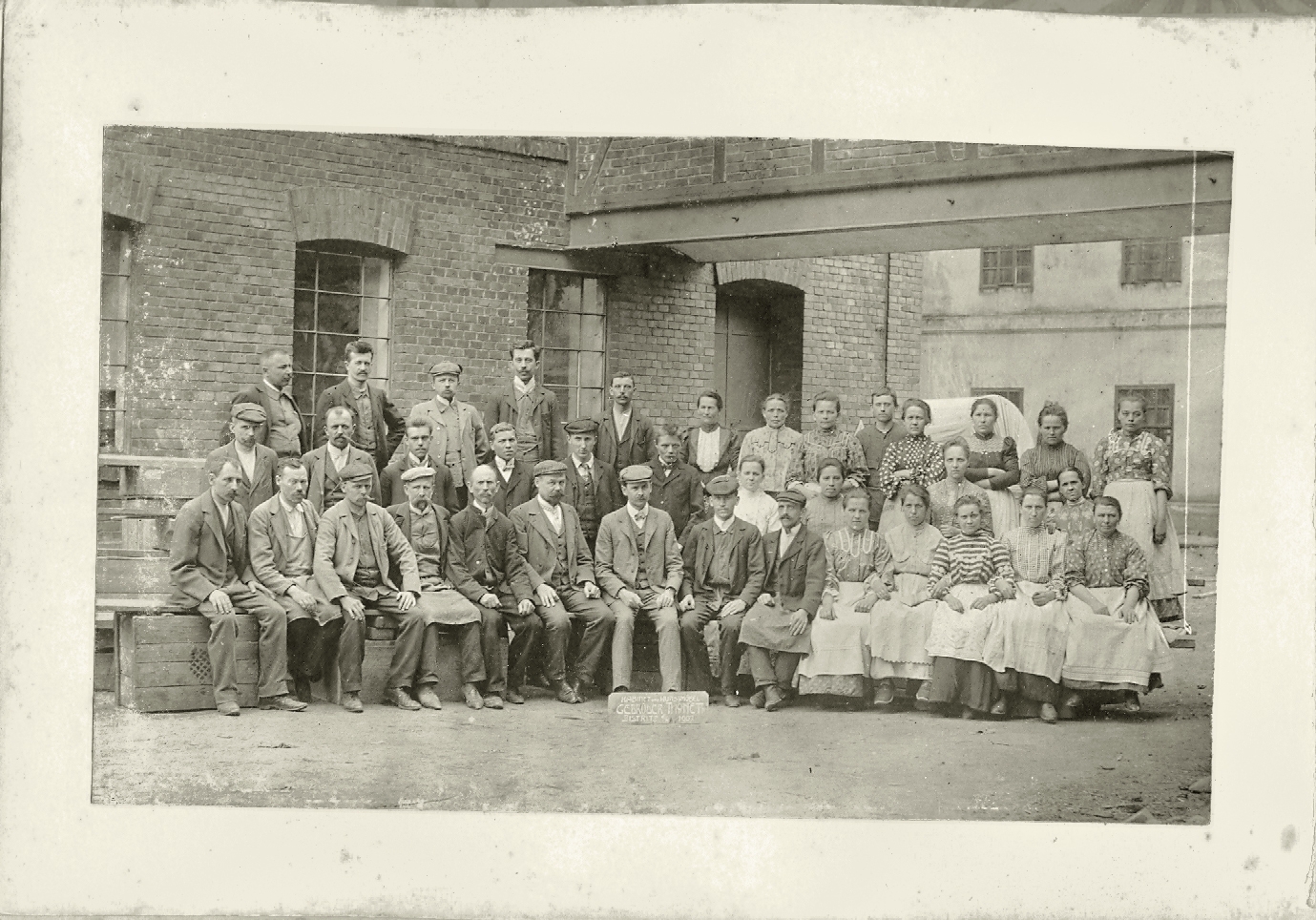
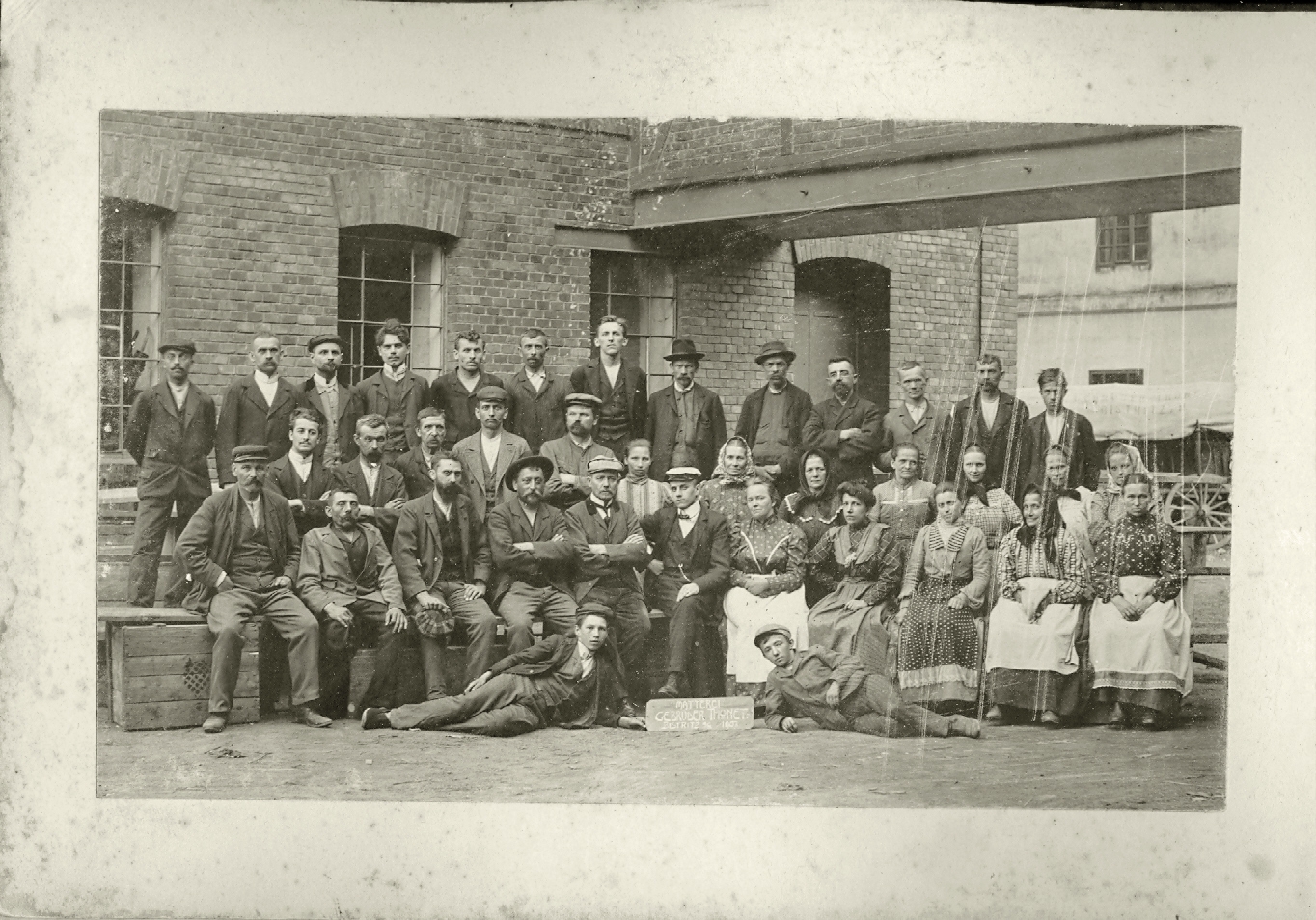
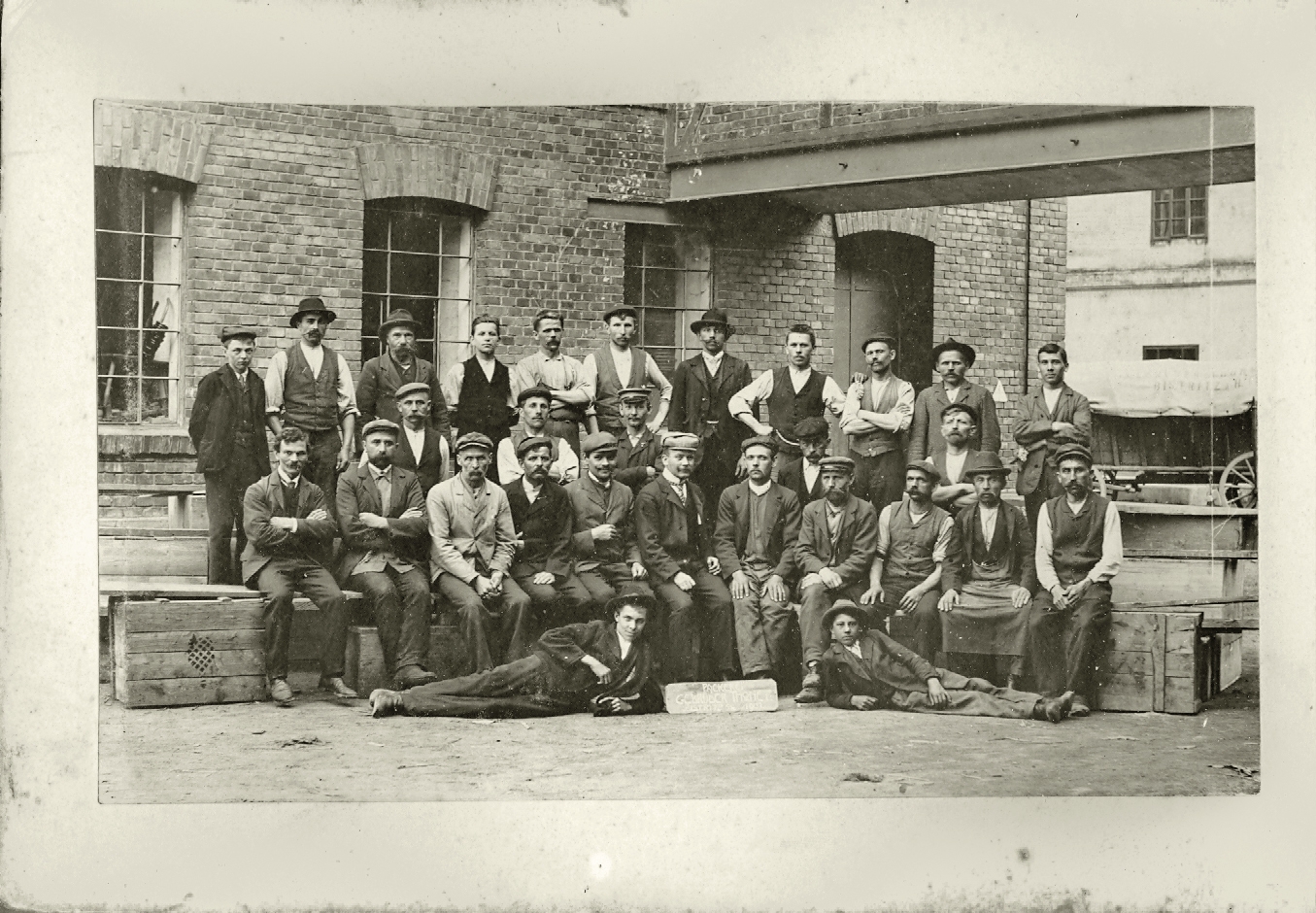
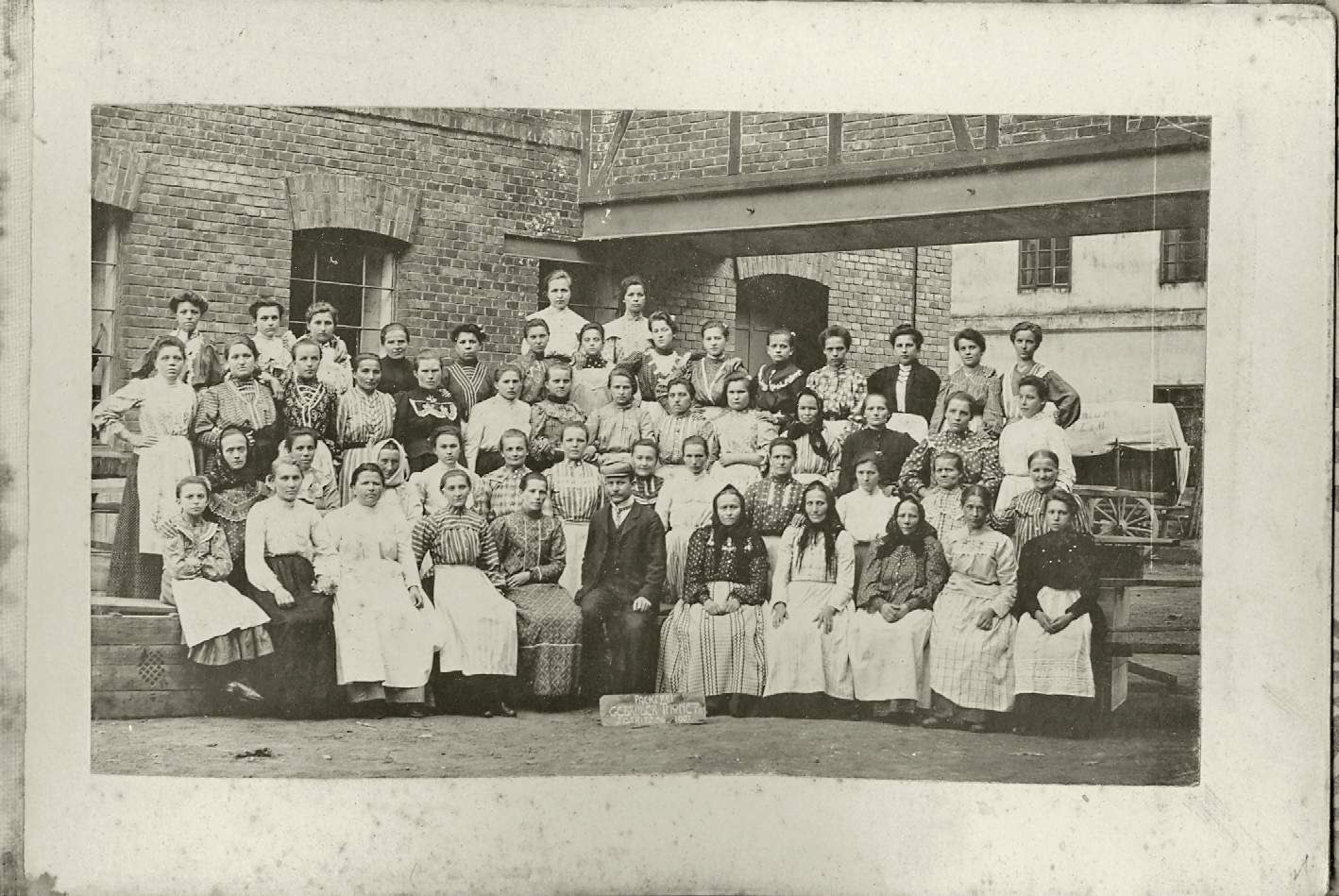
In 1913, the Bystřice furniture factory employed more than two thousand workers, who were capable of producing over half a million chairs in a single year. The best-selling model was, of course, Chair No. 14.
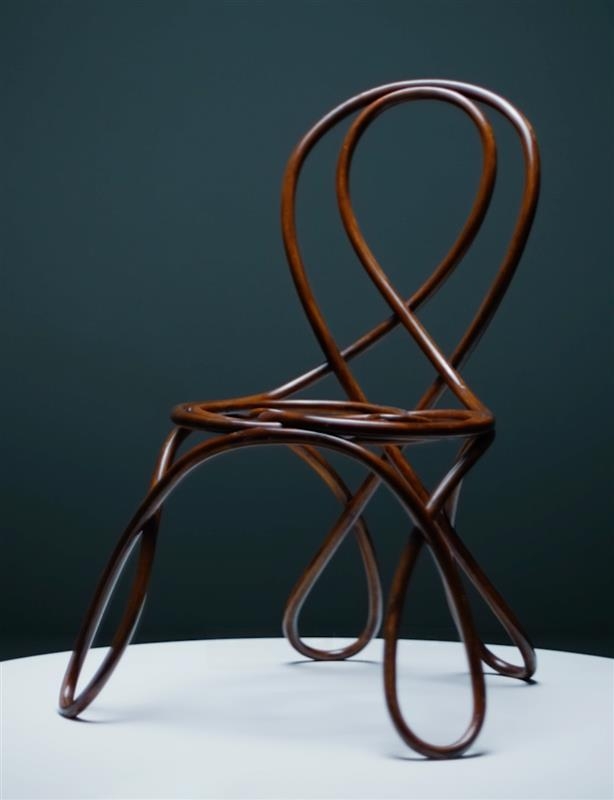
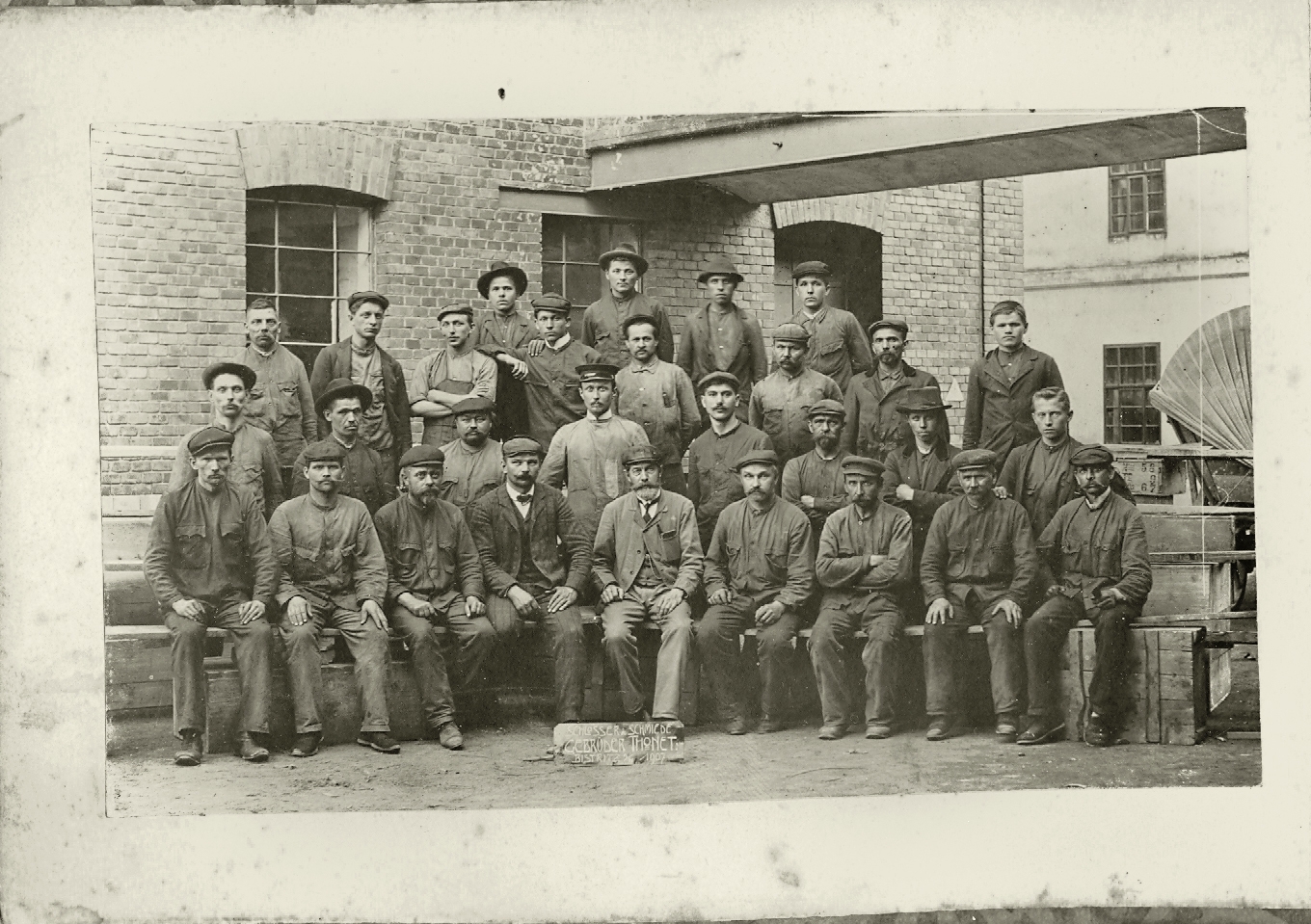
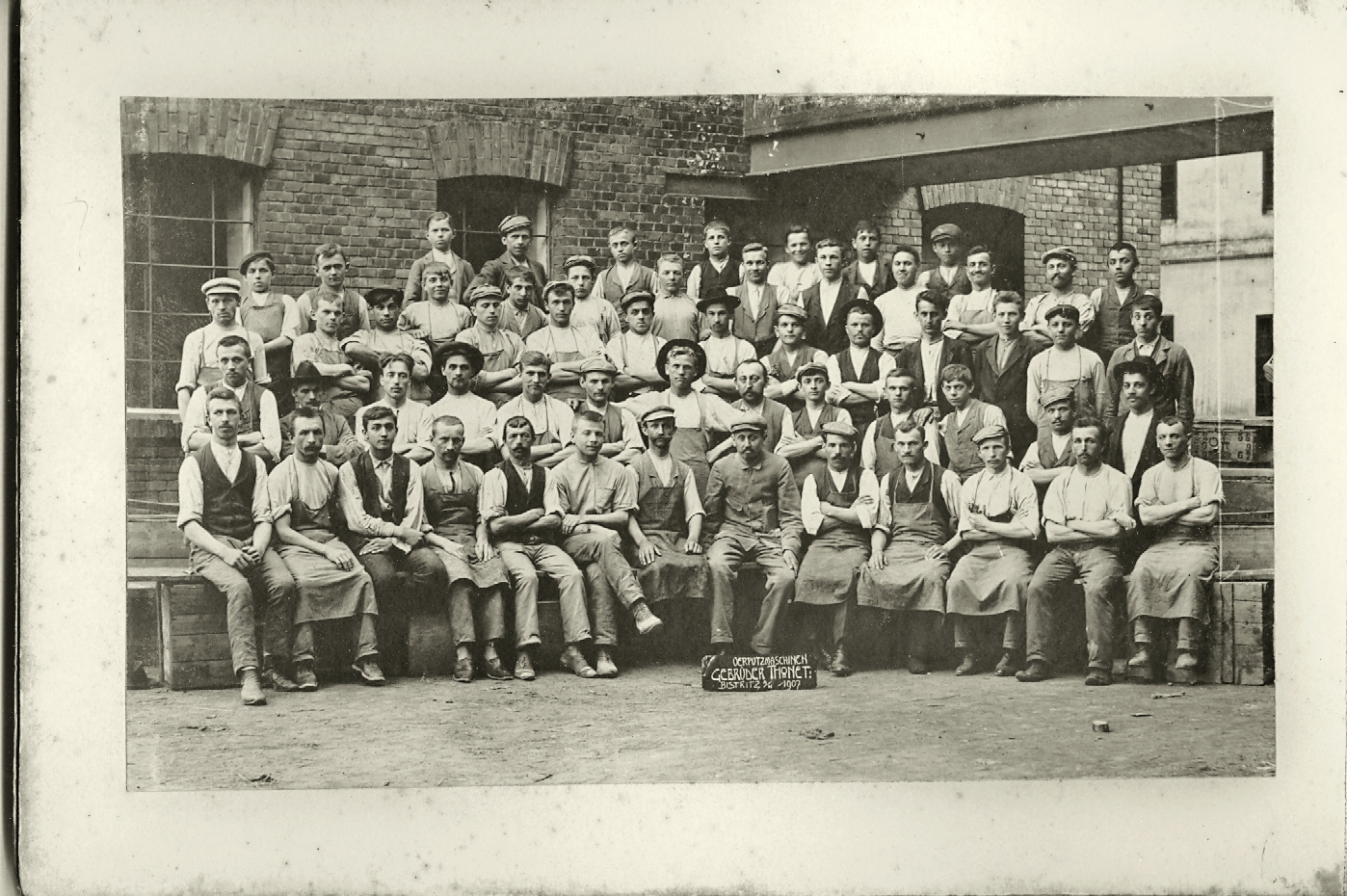
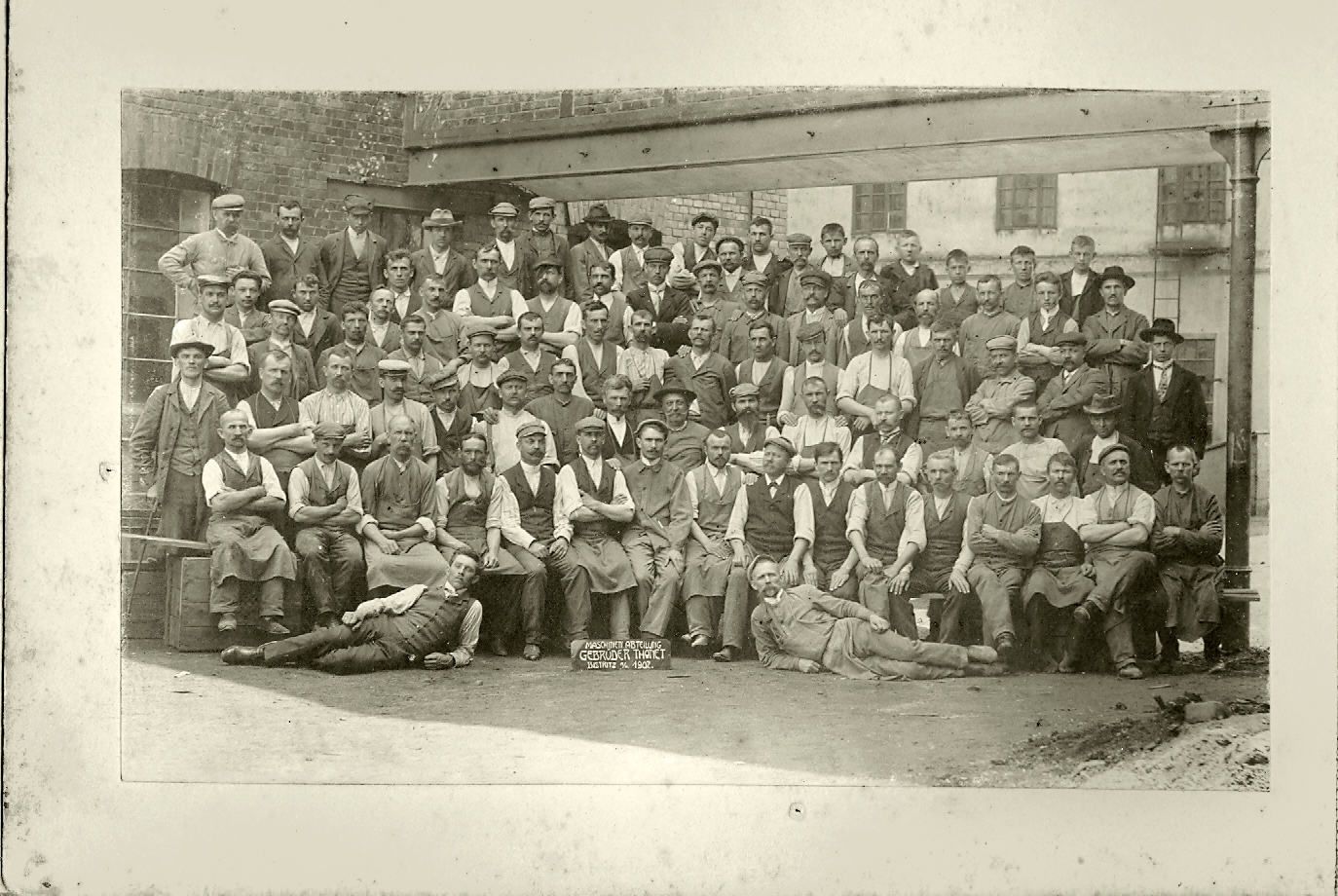
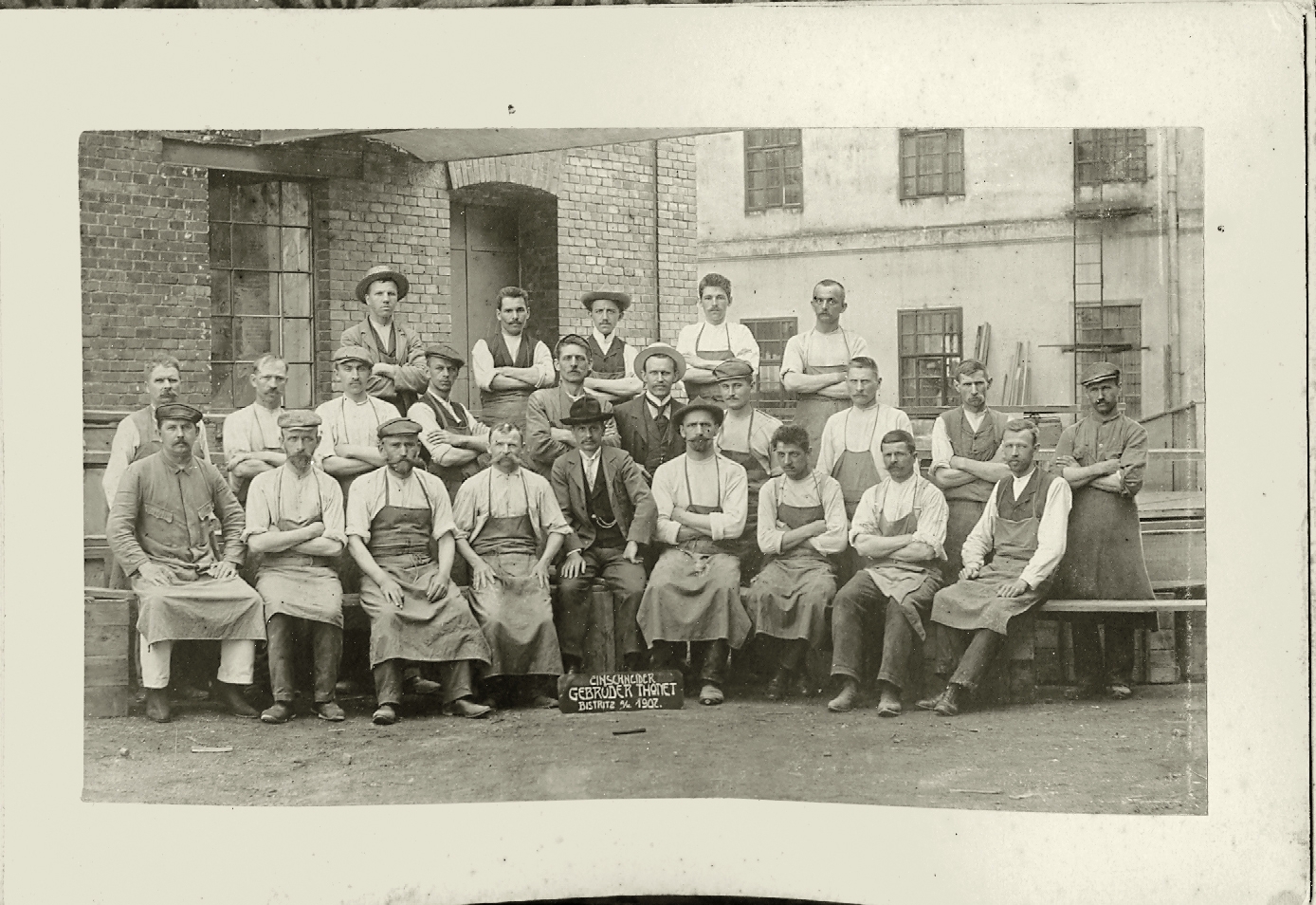
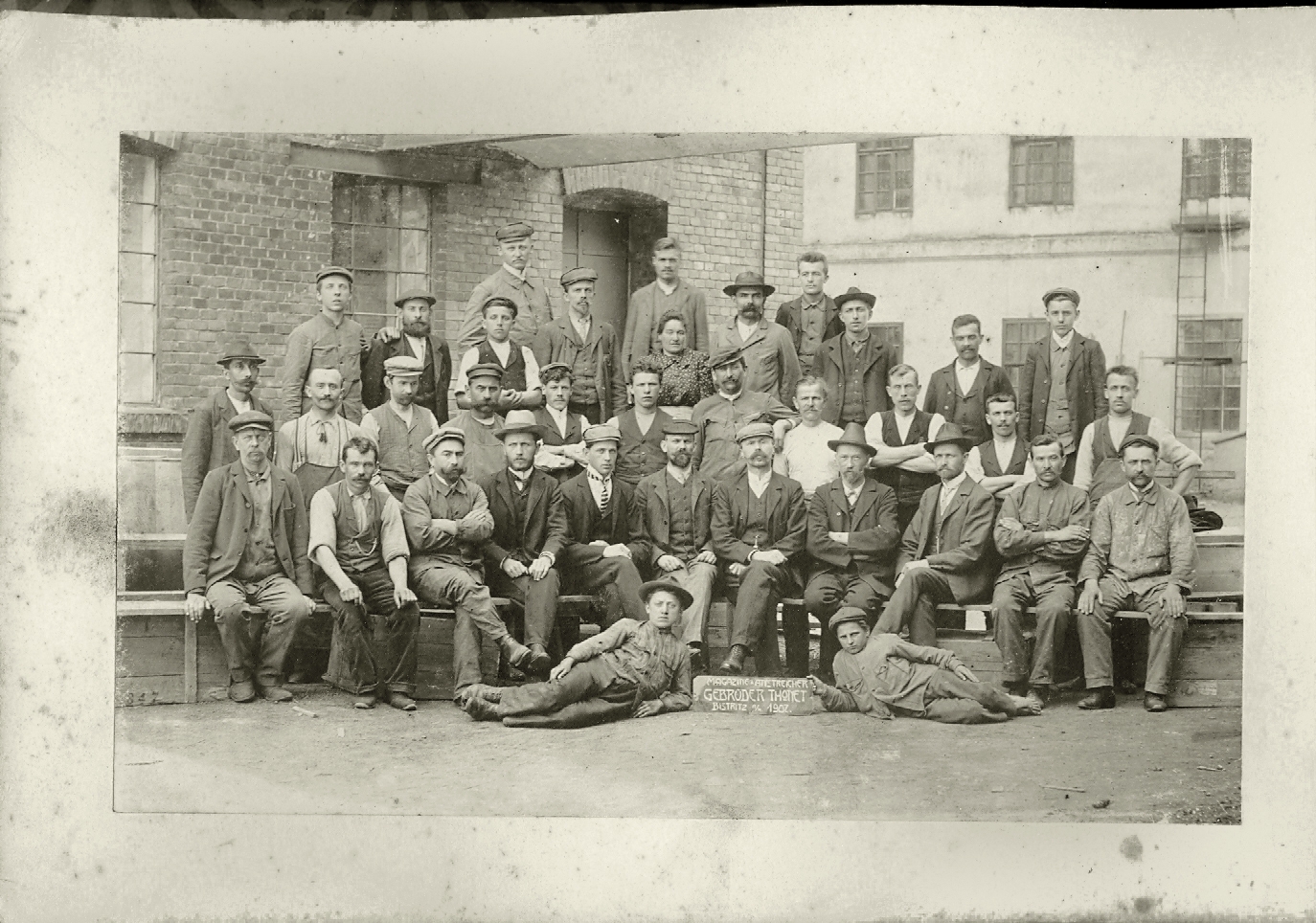
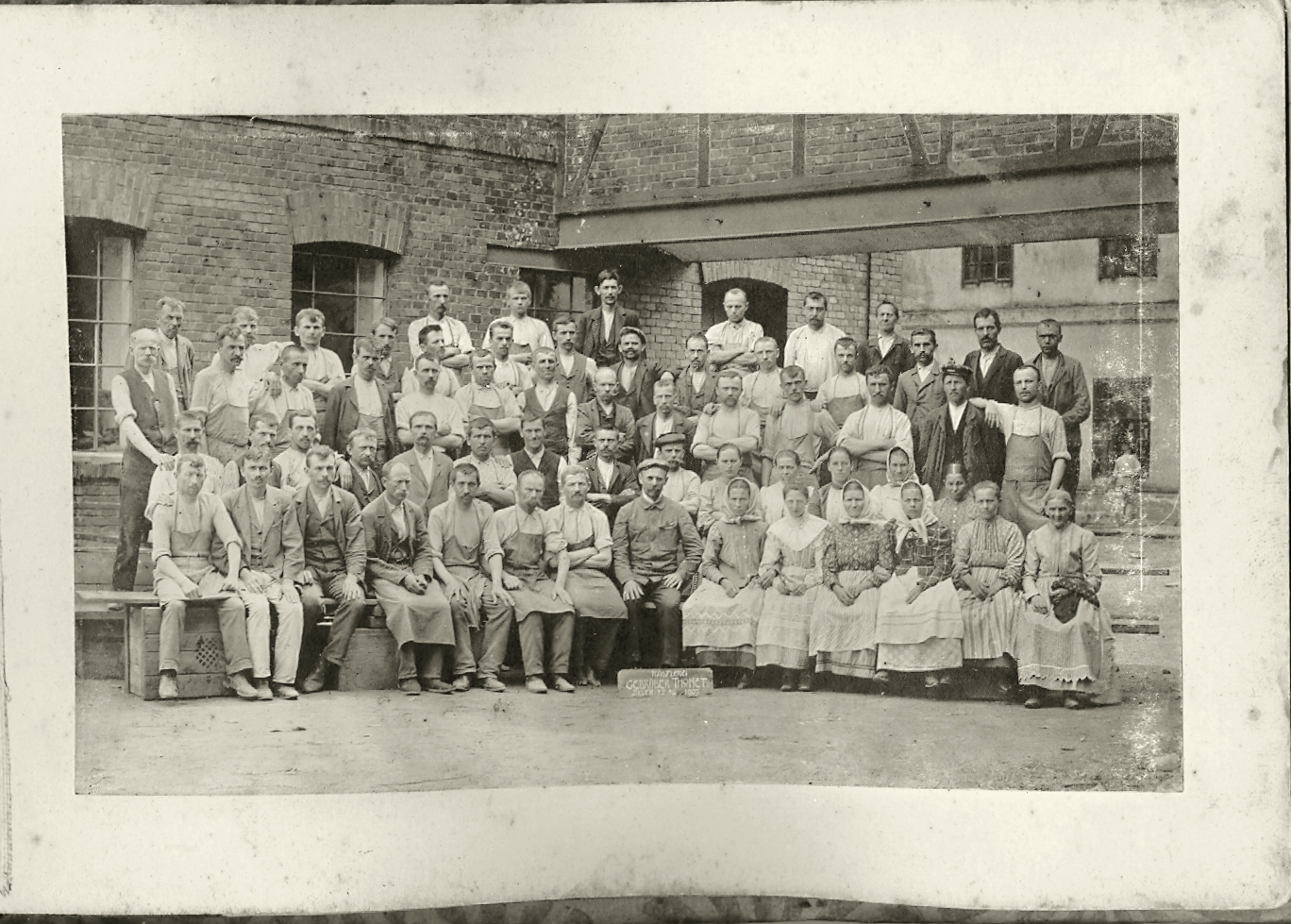
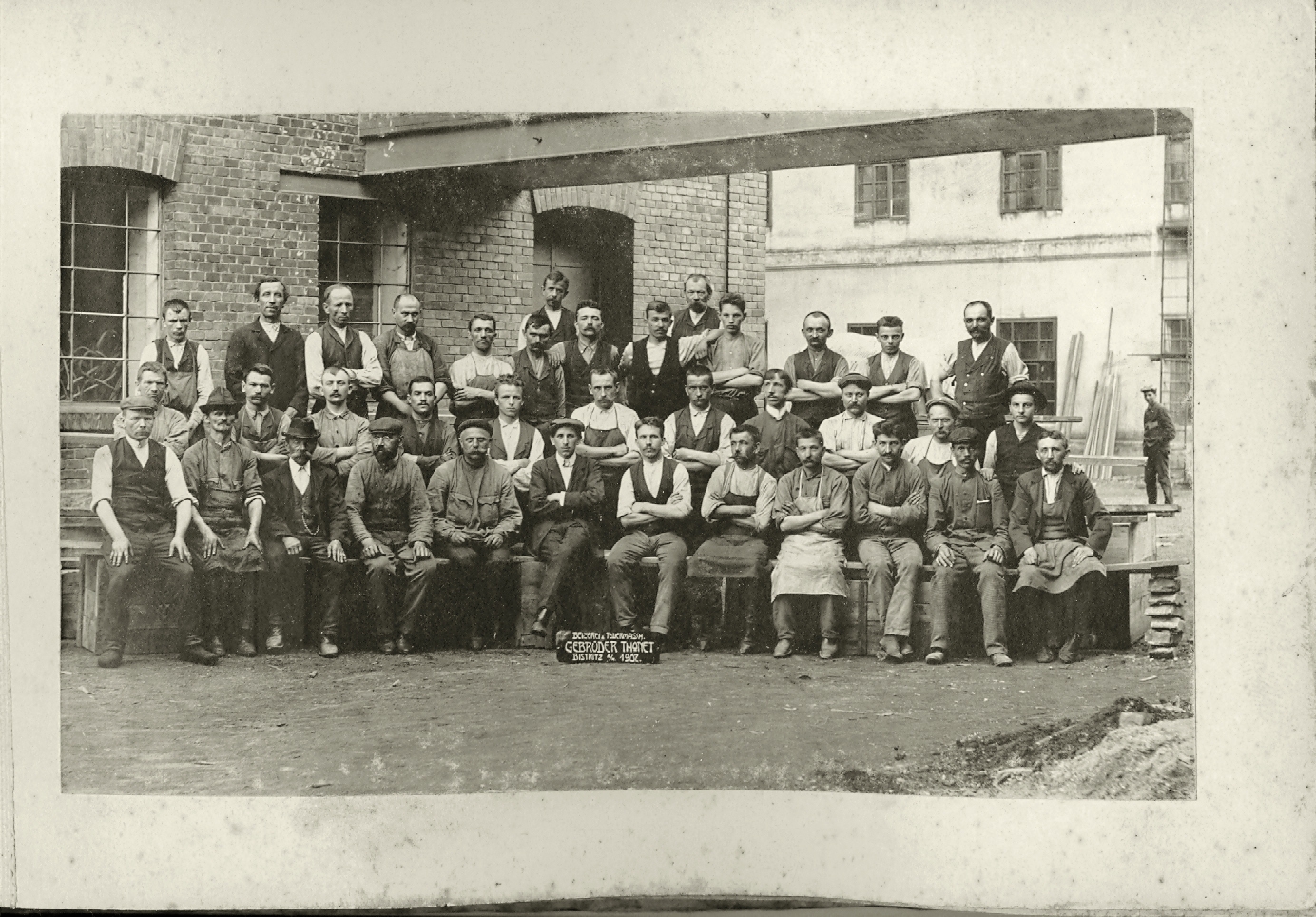
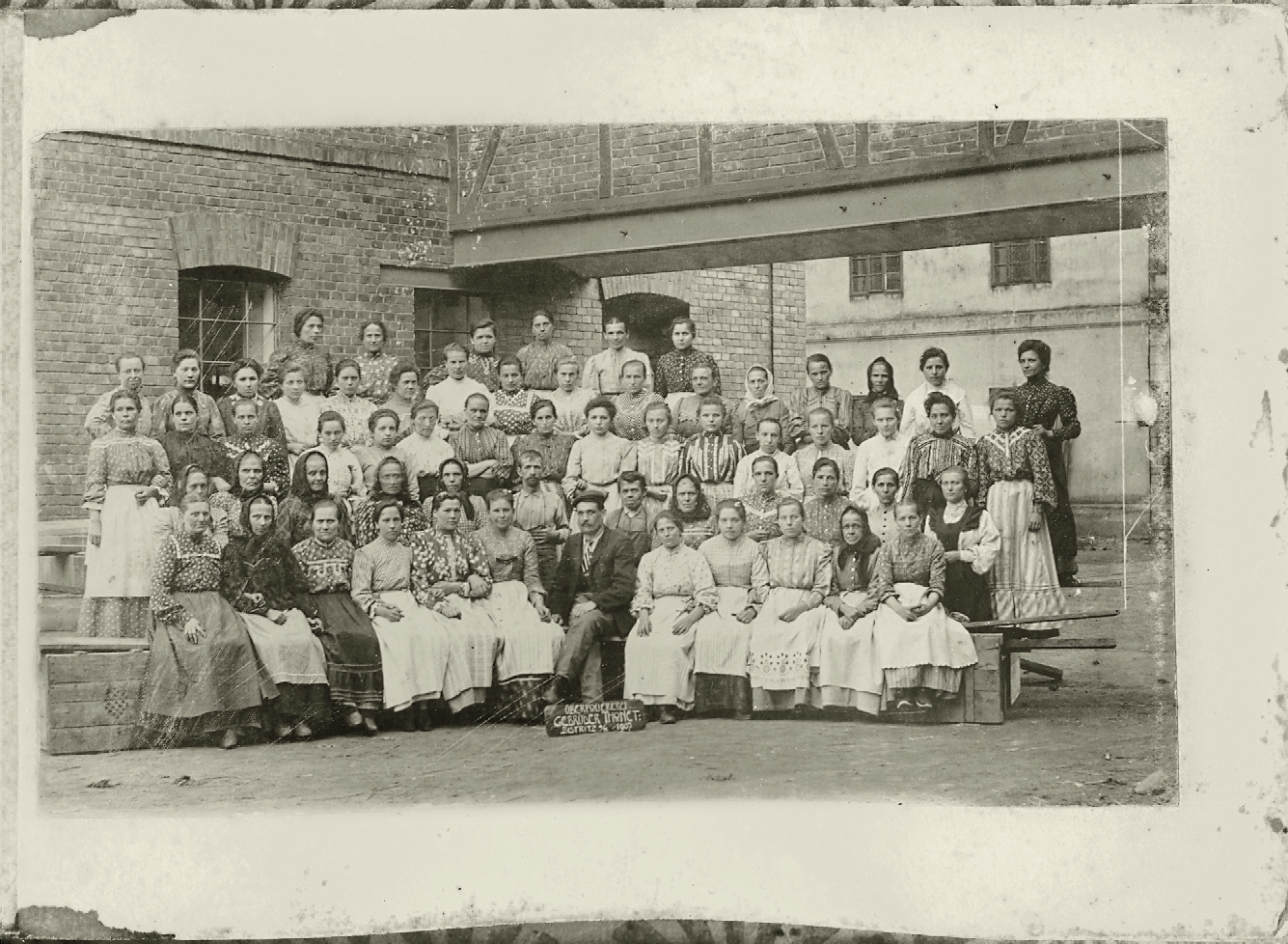
International presentations also played an important role. For example, in 1867,
the company Gebrüder Thonet presented the so-called Demonstration Chair at the
World Exhibition in Paris. This experimental prototype was made from just two
bent rods and showcased the ingenuity of bentwood furniture technology to
customers.
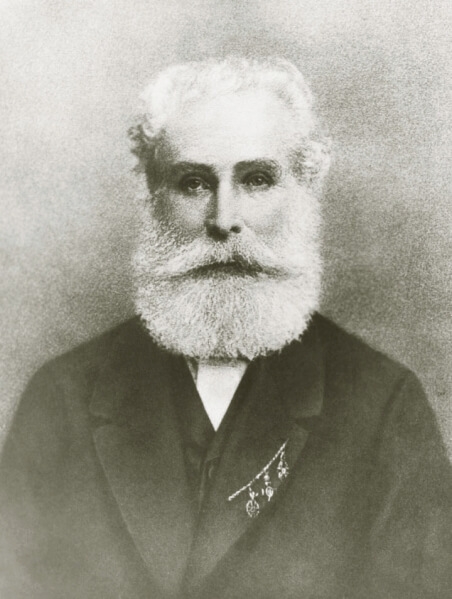
Although Michael Thonet had a number of predecessors and competitors, from the mid-19th century onwards he succeeded in mastering industrial production and trade in seating furniture. An entirely new industrial sector emerged, based on the revolutionary technology of bending beech rods.
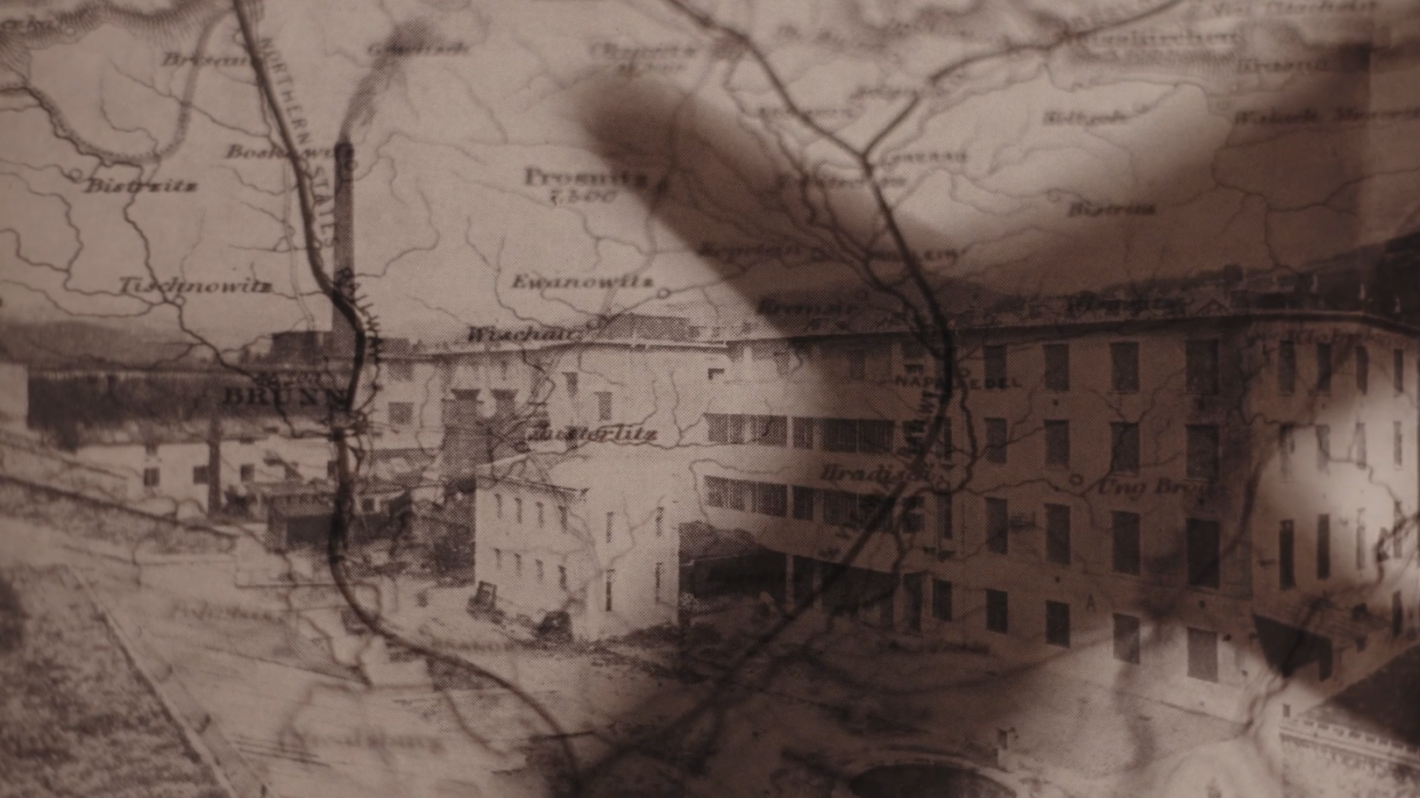
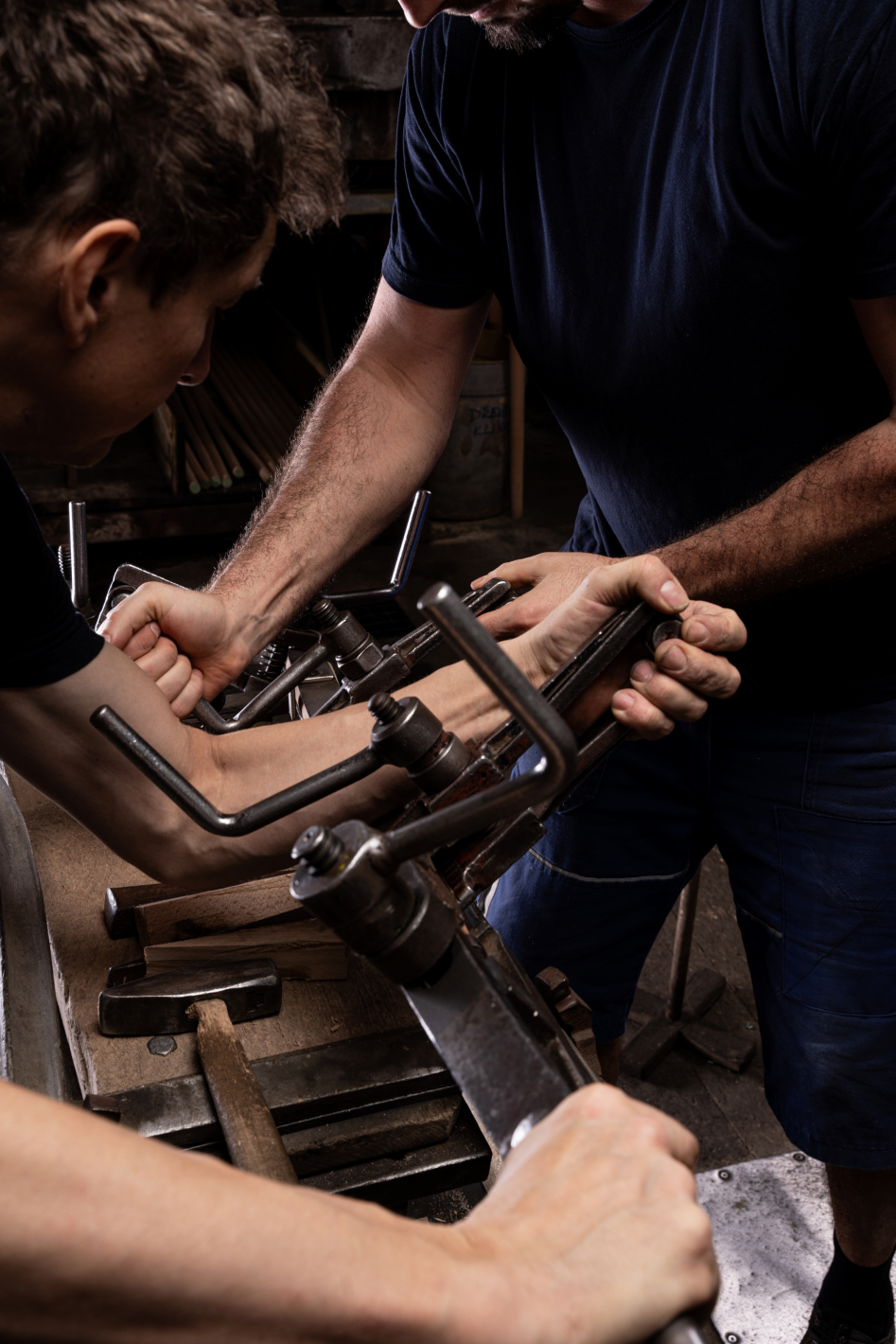
Michael Thonet discovered that working with bent beech rods offered far more possibilities than working with bent laminated veneer. By steaming the rods, they could be easily shaped and fixed into the desired form using a metal strap, without the risk of cracking. The surroundings of Bystřice pod Hostýnem seemed to be the ideal location for establishing and expanding Thonet’s empire. The area offered abundant beech forests, inexpensive labour, and proximity to the railway.
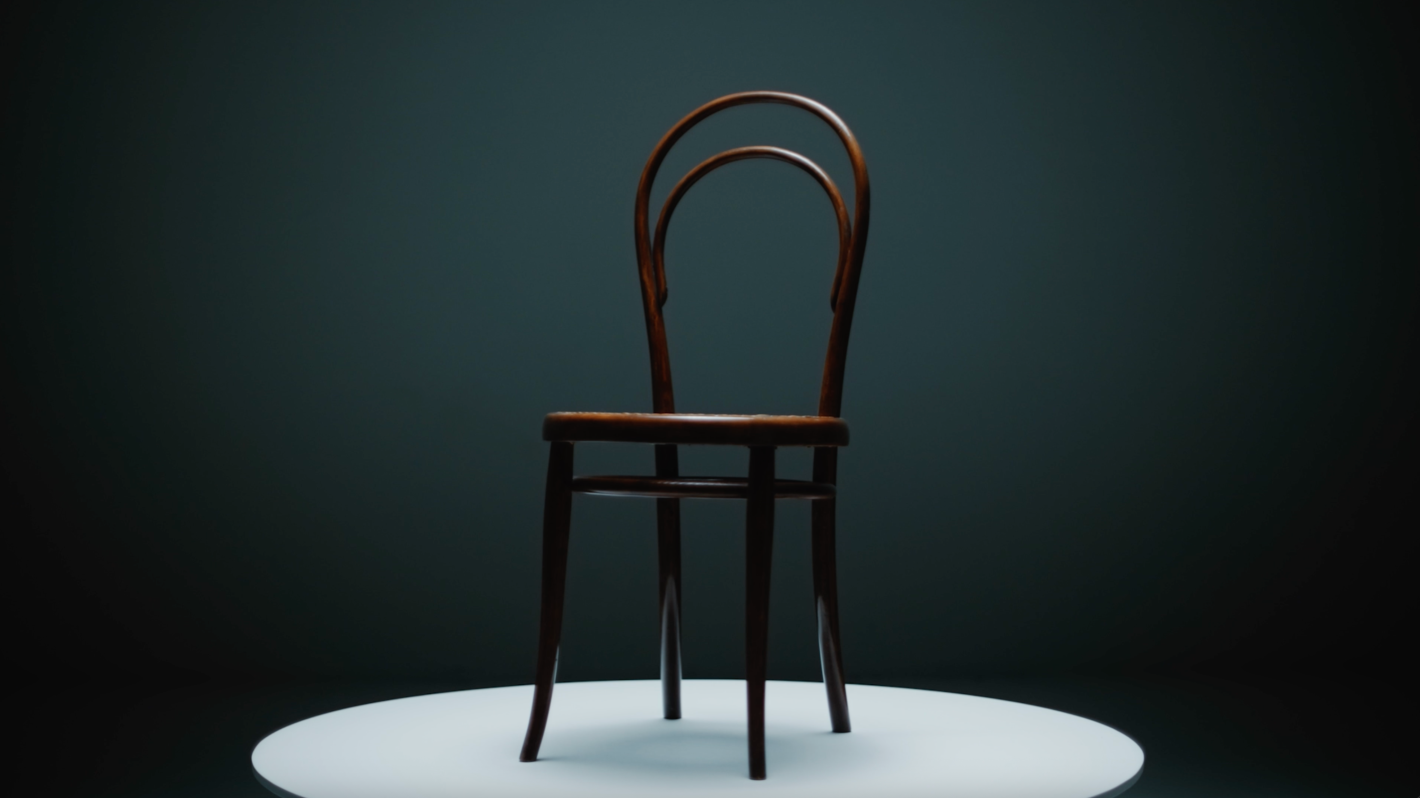
Chair No. 14 changed the history of modern furniture. It became the ultimate
essence of simplicity, efficiency, and elegance – qualities made possible by
the technology of bentwood. Although a similar chair form had previously been
introduced by the Viennese company Danhauser, Michael Thonet, as with other
models, adapted Chair No. 14 for industrial mass production. By the late 1860s,
its production had been perfected.
In the 19th century, with the advent of the Industrial Revolution and the division of labor, the ways in which products were made changed fundamentally – including furniture, which, thanks to ingenious technological innovations, began to be mass-produced. From 1861, this was also the case in the small Moravian town of Bystřice pod Hostýnem.
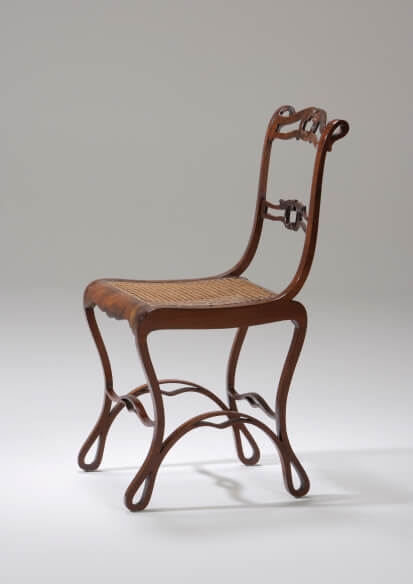
The most significant of Thonet’s early bentwood products became the so-called
Boppard chair. Its concept dates back to around 1836 and is based on bending
laminated veneer. However, Thonet was by no means the first. Bent veneer had
already been used in furniture by pioneers such as Jean-Joseph Chapuis and
Samuel Gragg three decades earlier. Thonet, however, significantly refined the
laminated wood technique.
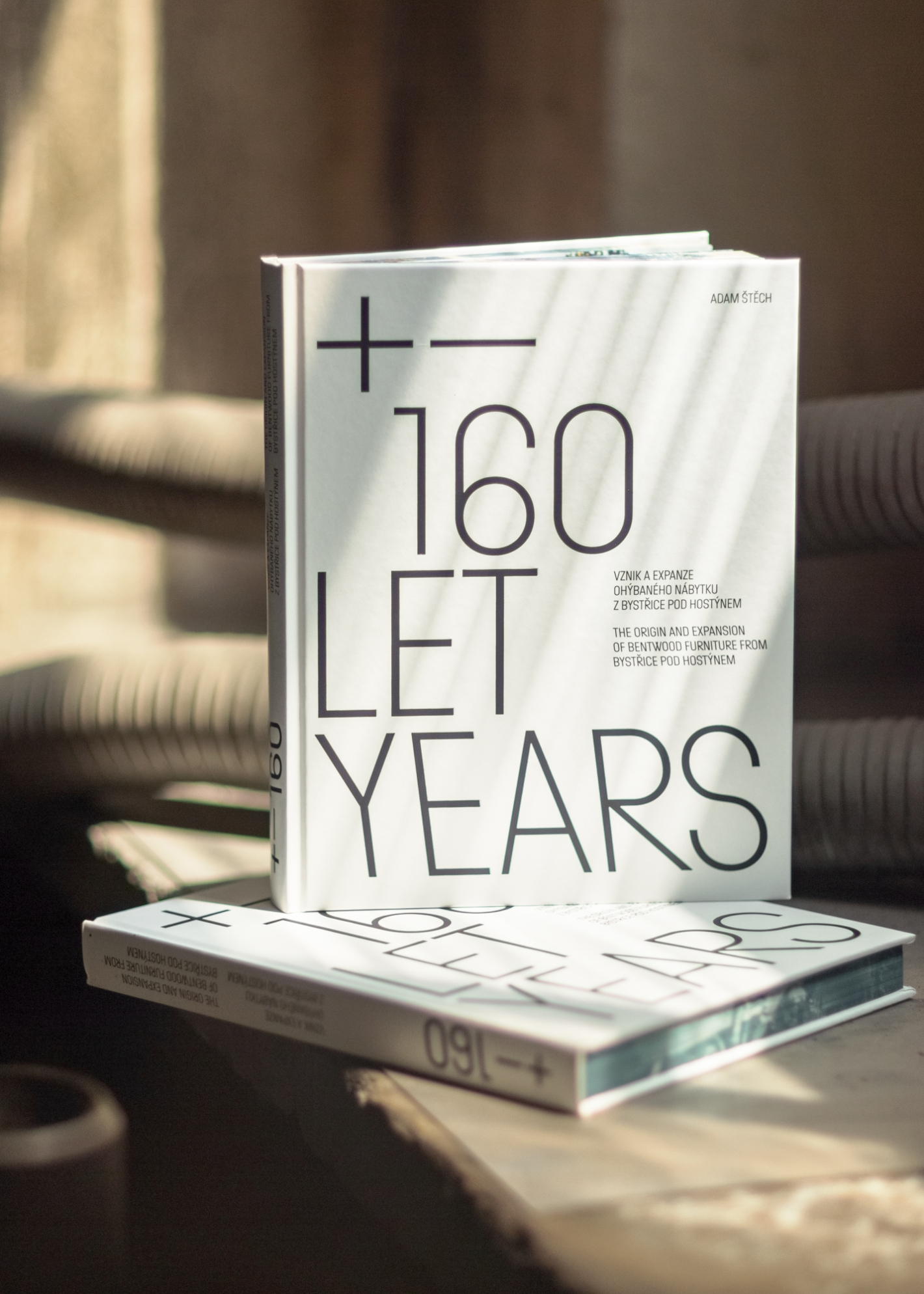
The Czech/English book ±160 years describes, across 259 pages, the historical and social events that shaped the development of bentwood furniture from Bystřice pod Hostýnem. This richly illustrated publication was written by Czech art curator Adam Štěch and published with the support of Ton.
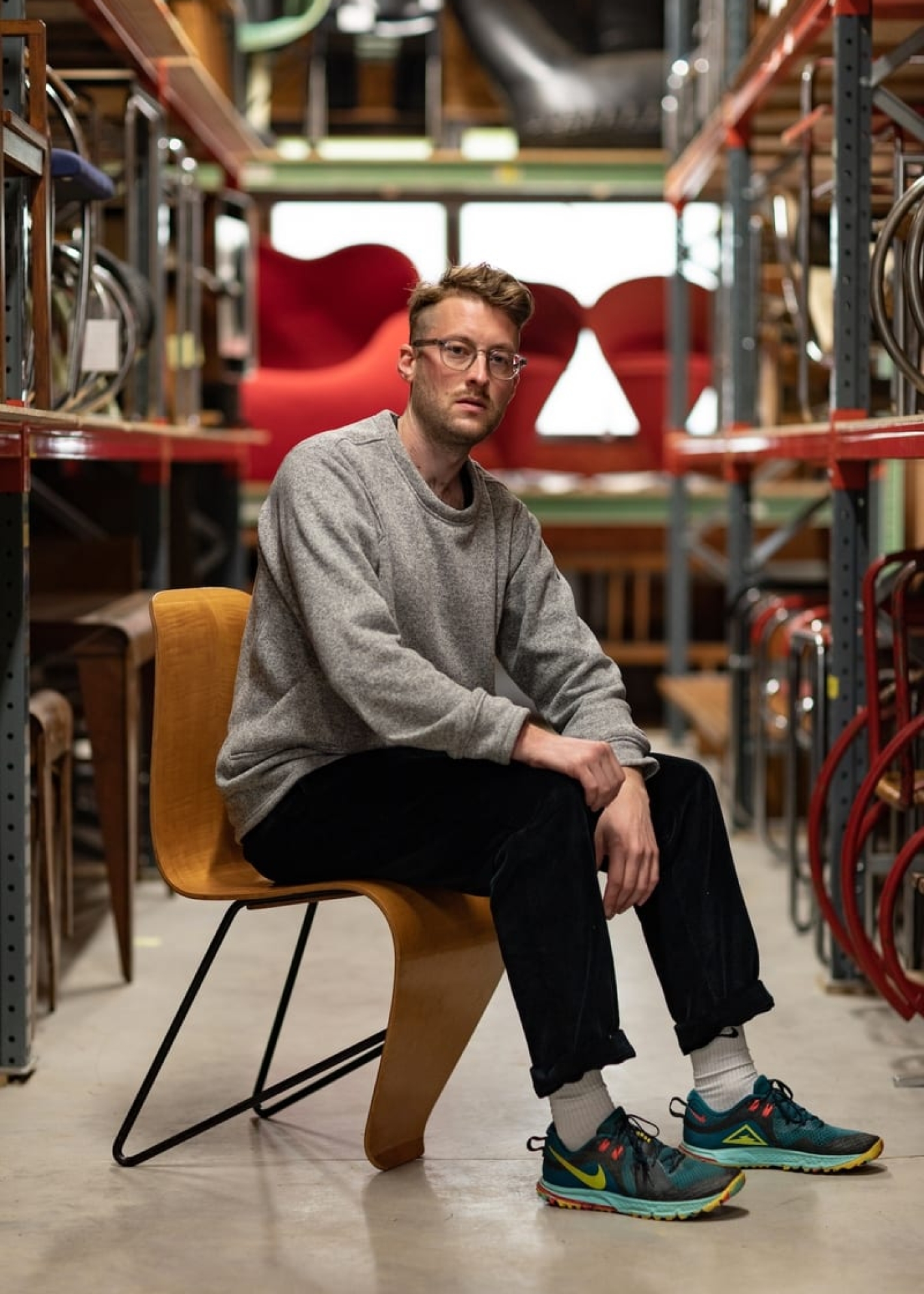
Book author
Adam Štěch